
Check an Attorney’s Background How to Verify Credentials and History

It’s 2026, and finding a lawyer can feel like a big puzzle. You might search online for someone specific, like jaspreet singh attorney at law, or a well-known firm such as Fieger Law, Thompson Law, or BAL Law Firm. The internet gives us lots of information, but here’s the thing: not all of it is fresh or correct. Online profiles, listings, and firm websites can sometimes have old details. This means you need a trusted way to check if the information you find is true and up to date.
Choosing the right legal help is very important. You want to be sure that the attorney you pick has the right training, experience, and is allowed to practice law. This guide is here to help you do just that. We will give you an easy, step-by-step plan to check an attorney’s background. You’ll learn how to look into their credentials, what kind of cases they focus on, if they are following all the rules, and how to get in touch with them reliably. This way, you can feel confident in your choice, whether you are looking for an attorney at Fieger Law or any other firm.

For example, Super Lawyers lists law firms and their attorneys, but even these useful listings are just a starting point for your own checks of each lawyer’s details
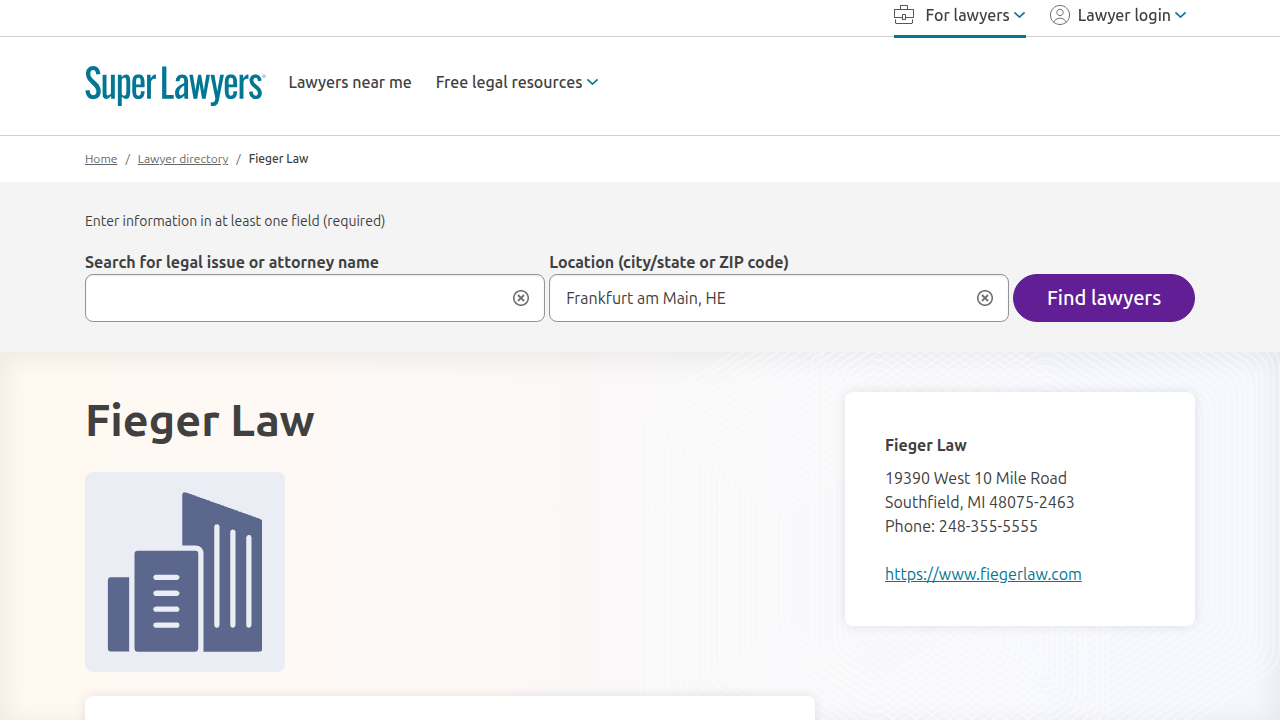
Fieger Law in Southfield, Michigan.
Understanding how to really check an attorney’s standing will help you find the best fit for your needs. It’s about making smart choices in a world full of information. If you’re looking to learn more about how to find skilled legal experts, you can also check out our guide on how to identify the best lawyers in 2026 your practical framework to evaluate legal talent.
To stay on top of the newest trends and tools in the legal world, especially how technology is changing things for lawyers, consider signing up for The AI Newsletter Worth Reading. You’ll get clear daily AI updates to help you navigate the future of legal work.
Making smart choices when picking a lawyer means knowing what to look for right away. Here is a simple checklist to help you quickly check an attorney’s background, no matter if it’s someone like Jaspreet Singh attorney at law or a lawyer at a big company like Fieger Law, Thompson Law, or BAL Law Firm.
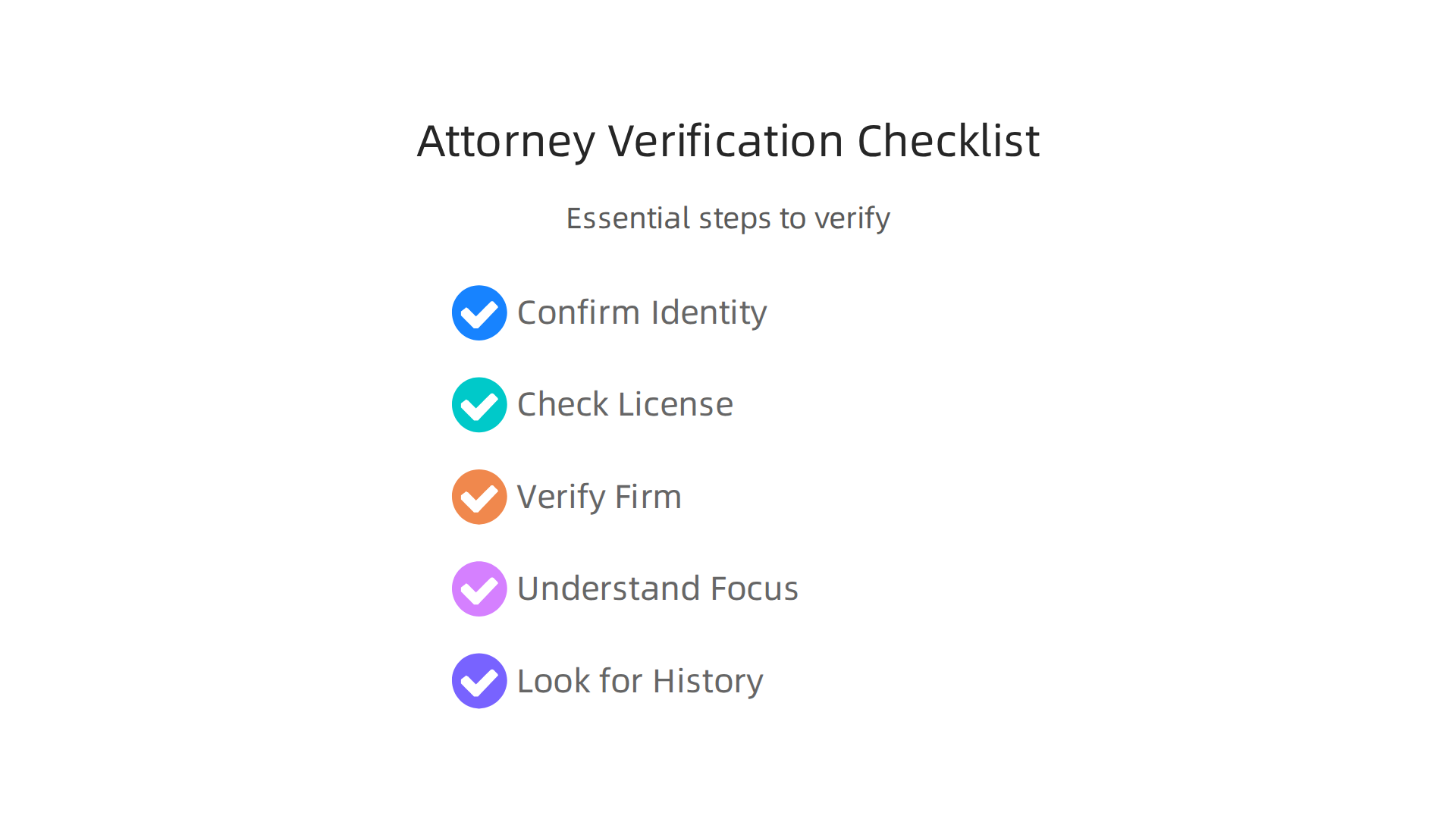
What to Look For When Checking a Lawyer
When you want to check a lawyer, whether for yourself, for hiring, or for making sure they follow the rules, these are the main things you should find out:
- Confirm Their Identity: Make sure the person you are looking at is truly the lawyer you think they are. Sometimes, two people can have the same or similar names. You want to match their full name, and maybe even a middle initial, to their official records.
- Check Their License to Practice: This is very important. You need to know if the lawyer is allowed to practice law in the state or country where you need help. Lawyers must pass tests and follow rules to get a license. Their license needs to be active and in good standing. For example, you can often check a lawyer’s license and past records by using a state bar association’s website, like a Texas Bar attorney search to check a lawyer’s license and disciplinary history.
- Verify Their Firm Affiliation: Does the lawyer truly work at the law firm they say they do? For example, if you are looking for a lawyer at Fieger Law, Thompson Law, or BAL Law Firm, you should check the firm’s official website or a trusted business directory to confirm. Large firms like BAL often have clear listings of their team members and office locations.
- Understand Their Practice Focus: What kind of law does this attorney usually handle? Some lawyers focus on family law, others on car accidents, and some on business deals. You want a lawyer whose main work matches the type of help you need. For example, Geoffrey Fieger, the founder of Fieger Law, is known for cases involving personal injury and civil rights litigation Geoffrey Fieger – Wikipedia. Knowing their focus helps you pick the right expert.
- Look for Disciplinary History: Have they ever been in trouble for breaking legal rules? State bar associations keep records of complaints or actions taken against lawyers. This information helps you see if a lawyer has a history of problems.
Why These Checks Matter
Taking these steps helps everyone:
- For Clients: You get peace of mind knowing your lawyer is real, qualified, and has a good record. You can be confident that Jaspreet Singh attorney at law, or any other lawyer you pick, can actually help you with your legal needs.
- For Recruiters: When hiring for a firm like Thompson Law or Fieger Law, these checks ensure you bring in skilled and trustworthy professionals. It saves time and prevents bad hires.
- For Compliance Teams: These teams make sure that all lawyers follow the rules. Checking these details helps them keep the law firm working correctly and ethically.
Remember, a lawyer’s online profile or firm website should be kept up to date, but it’s always smart to double-check information from official sources. This kind of careful checking helps you make the best decision for your legal needs. It’s like when you check a "2026 Guide to Writing The Best Attorney Website Profile" to understand what information should be there 2026 Guide to Writing The Best Attorney Website Profile.
While checking individual lawyers like a Jaspreet Singh attorney at law is important, it is also smart to confirm details about the law firms they work for. This includes big names like Fieger Law, Thompson Law, or BAL Law Firm. Knowing where to find good information and how to understand what you read will help you make clear choices.
Where to Find Real Firm Information
When you want to know more about a law firm, always look for official and trusted sources.
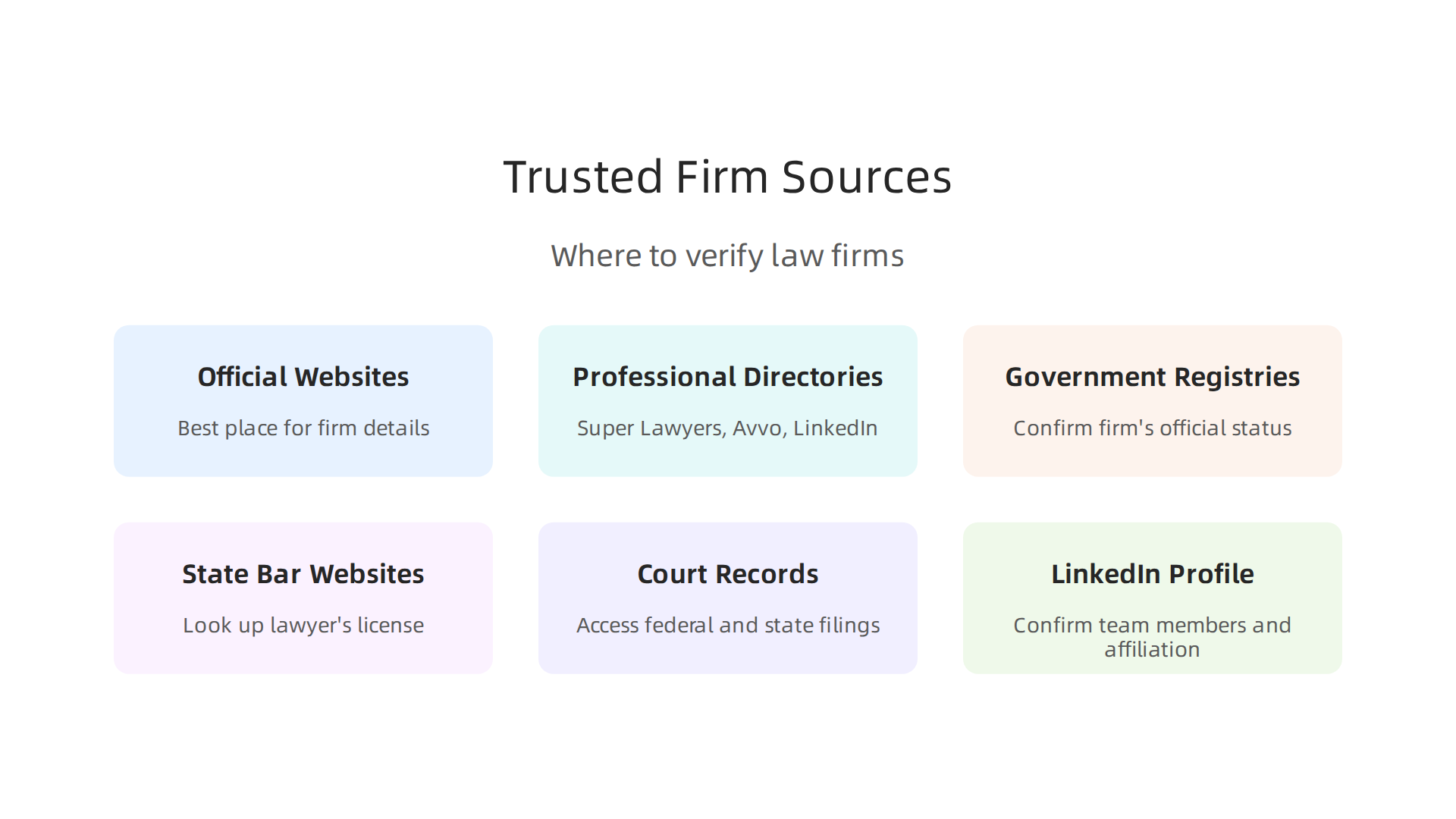
This helps you get the most correct and up-to-date facts.
- Official Firm Websites: This is usually the best place to start. A good law firm website should list all their lawyers, what kind of law they practice, and where their offices are. For example, Fieger Law has a website that lists its attorneys and its main office in Southfield, Michigan Fieger Law in Southfield, Michigan. If a firm’s website looks old or is hard to use, it might be a sign that they are not keeping up with modern times. This can be a red flag, as a bad website might even damage trust Why Bad Law Firm Websites Drive Clients Away and Damage Credibility.
- Professional Directories and Networks: Websites like Super Lawyers, Avvo, or LinkedIn are good places to confirm firm details and attorney profiles. For instance, you can find a profile for Fieger Law and its lawyers on sites like LinkedIn Fieger Law | Legal Services. These sites often share reviews and details about a firm’s work, like how many lawyers work there or what they are known for Fieger Law PC. Ranking | BCGSearch.com.
- Government or Company Registries: For firms that operate like businesses, government registries can hold official details. For example, in some countries, you can check company appointments, like for Thomas Fieger, through a Companies House search Thomas FIEGER personal appointments – Companies House. This helps confirm the firm’s official status and who is in charge.
What to Look For and How to Understand It
Once you find these sources, pay attention to specific details:
- Firm Locations: Does the firm have offices where they say they do? BAL Law Firm, for instance, has several office locations listed, which shows their reach BAL. This is important if you need a lawyer in a certain city or state.
- List of Attorneys: Does the firm’s website or directory listing clearly show all the lawyers working there? You should be able to confirm that specific attorneys, like those at Thompson Law or Fieger Law, are indeed part of their team.
- Practice Areas: This tells you what kind of law the firm focuses on.
- General Labels: Some firms might say they do "litigation" or "corporate law." These are broad terms. "Litigation" just means handling court cases, but it does not tell you if they handle car accidents, business arguments, or family problems.
- Specific Examples: Better firms will give more detail. They might list "personal injury," "immigration law," or even mention specific types of business disputes. For example, Fieger Law is often known for serious personal injury and civil rights cases Fieger Law – 18 Lawyer Litigation Machine. If you are looking to identify and hire top lawyers for business disputes in 2026, you would want to see that area clearly listed.
- Matching Your Need: It is key to make sure the firm’s practice areas match exactly what you need help with. If you have a family law issue, a firm specializing only in business law might not be the best fit, even if they are well-known.
By carefully checking these points, you can feel much more sure about the law firm you choose, whether it is a large one like BAL Law Firm or a smaller, specialized practice.
Now that you know how to check a law firm, it is just as important to look into the individual lawyers who work there. This means digging into the professional background and credentials of someone like a Jaspreet Singh attorney at law or any other lawyer you are considering. You want to be sure they are who they say they are and that they can legally practice law.
Professional background and credentials to verify for ‘Jaspreet Singh, attorney at law’
When you are looking into a specific attorney, like Jaspreet Singh, attorney at law, you need to confirm a few key things.
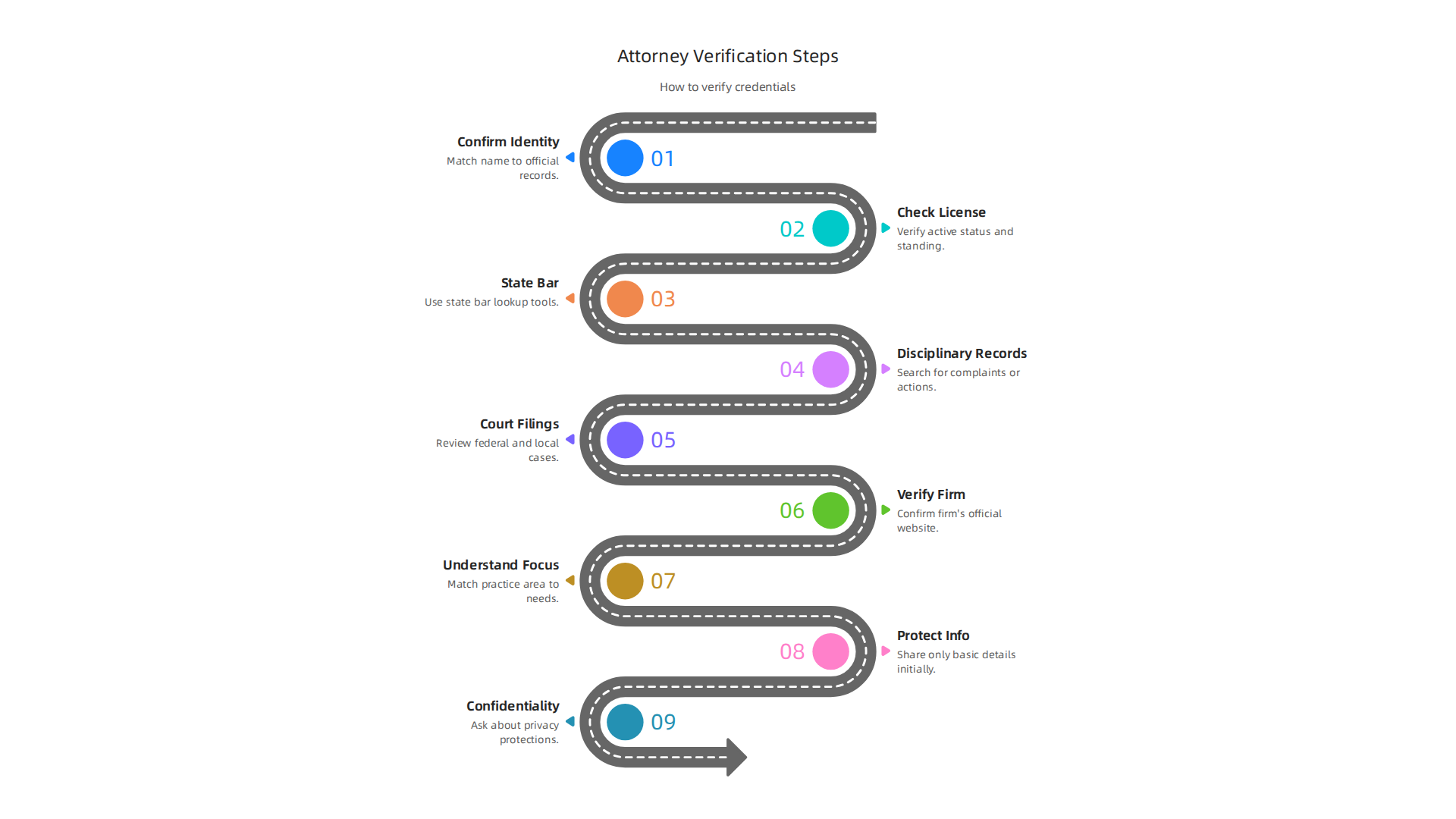
This helps you build a clear picture of their professional life and ensure they are a good fit for your needs.
How to Confirm Identity and Education
The first step is to check if the lawyer is licensed to practice. This is often called checking their "bar admission." Every lawyer must pass a special test and get approved by the state’s bar association to practice law.
- State Bar Websites: This is the most important place to start. Every state has a "state bar" website that lets you look up lawyers. You can usually search by the lawyer’s name. For example, if you were looking up a lawyer in Pennsylvania, you could use the Supreme Court of Pennsylvania’s attorney lookup tool. These sites will tell you if the lawyer is licensed, when they got their license, and if they have any problems with their license. Many states have these tools, like the Florida Bar’s public records or The State Bar of California. You can also find guides to using these tools, such as how to use the Texas Bar attorney search or how to use an NJ attorney lookup.
- Attorney License Lookups: Other helpful websites also let you verify a lawyer’s license status. These sites often pull information directly from state bar associations. They can show you if a lawyer’s license is active and if they have any past disciplinary actions, which are like official warnings or punishments Verify a Lawyer’s License & Discipline. It is like a quick check to see if they are in good standing Attorney License Verification & Lawyer Search.
Which Public and Archival Sources Are Most Useful
Beyond the basics, you might want to look at a lawyer’s past work and court cases.
- Disciplinary Records: If a lawyer has done something wrong, it will often be noted on their state bar profile. This is important because it shows if an attorney has followed the rules. You can learn how to check if an attorney has been disciplined or if they have been suspended from practicing law How to Check if an Attorney Has Been Disciplined or Suspended. The American Bar Association also keeps a National Lawyer Regulatory Data Bank which lists regulatory actions against lawyers nationwide.
- Court Filings (Dockets): These are like official records of court cases. They can show you which cases a lawyer has worked on. Dockets include details about the judge, the people involved in the case, and the lawyers involved Docket Research – Lillian Goldman Law Library – Yale University.
- For federal cases (which are cases handled by the U.S. government), you can use a system called PACER
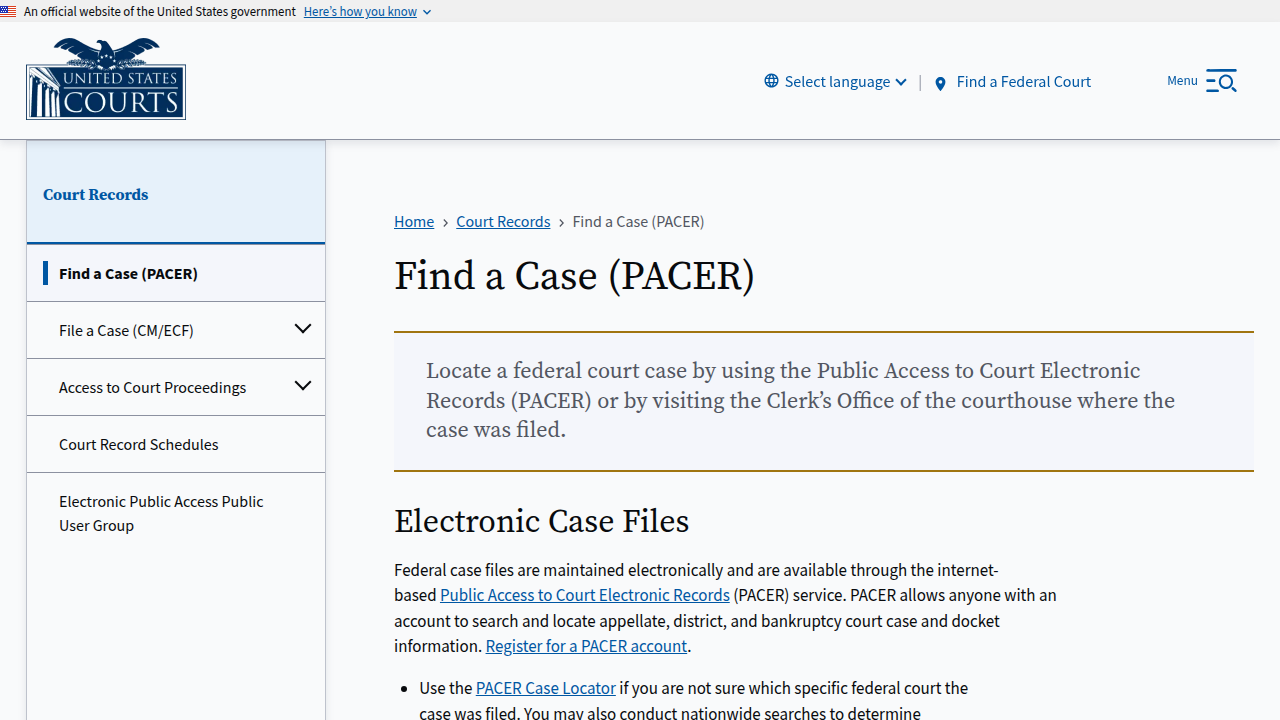
Find a Case (PACER) – United States Courts. There are even helpful videos that explain how to review a Federal Court Docket.
* For state cases, you can usually check with the clerk’s office in the court where the case happened. Many courts have online search tools for their dockets. Looking at these can give you an idea of a lawyer’s experience and the types of cases they have handled, whether it is Jaspreet Singh, attorney at law, or lawyers from firms like Fieger Law, Thompson Law, or BAL Law Firm.
By checking these public records, you can feel much more confident about the person you might hire to handle your legal matters.
By checking these public records, you can feel much more confident about the person you might hire to handle your legal matters. But there’s another important step: checking what kinds of cases a lawyer has actually handled.
Practice Areas, Representative Matters, and How to Confirm Them Without Relying Solely on Bios
After confirming a lawyer’s license and good standing, your next step is to look closely at their experience. Lawyers often list "practice areas" and "representative matters" on their websites or bios. Practice areas are the types of law they focus on, like family law or business law. Representative matters are examples of cases they have worked on. It is smart to verify these claims, especially for someone like a Jaspreet Singh attorney at law or any lawyer you are thinking of hiring. You don’t want to just take their word for it.
Step-by-Step Validation of Claimed Representative Matters
Checking a lawyer’s past cases helps you understand their real experience. Here is how you can do it:
- Use Court Dockets: As mentioned before, court dockets are official records of cases. They can tell you a lot about a lawyer’s work.
- Search by Attorney Name: Many court docket systems let you search for cases by the lawyer’s name. This can show you the specific cases a lawyer, whether it is Jaspreet Singh or a lawyer from firms like Fieger Law, Thompson Law, or BAL Law Firm, has been involved in.
- Understand Docket Details: Dockets include important details like the case number, the parties involved, the judge, and what happened in the case over time Court Docket Search. You can even find guides on How to Read a Docket to help you understand them better.
- Federal and State Dockets: For federal cases, the PACER system is key. For state cases, you typically check the clerk’s office websites for the specific court. For example, some states have online tools to search for court dockets by case number, party name, or attorney name, like the Montgomery County Court Dockets and Case Lookup or specific guides for states like New York State Legal Research: Dockets.
- Look for Press Mentions: For very important or high-profile cases, lawyers and their firms might be mentioned in news articles or legal publications. A quick online search for the lawyer’s name plus "case" or "judgment" can sometimes reveal news about their work.
- Check Industry Reporting: Some legal industry websites or magazines report on big cases or awards. These reports might confirm a lawyer’s involvement in a significant matter.
Interpreting Summaries and Requesting More Information
When you read a lawyer’s bio, their "representative matters" are often just short summaries. These summaries are usually written to highlight the best parts of a case and might not give you the full picture.
- Be Skeptical of Vague Language: If a summary is too general or lacks specific details (like actual case names or court dates), it is a good idea to dig deeper using the docket search methods mentioned above.
- When to Ask for More: If you are seriously considering hiring a lawyer like Jaspreet Singh, attorney at law, and their bio is unclear, it is perfectly fine to ask for more details. You can request specific case numbers for their representative matters. This is also the time to ask about "conflict checks." A conflict check helps ensure the lawyer hasn’t represented someone with opposing interests in the past, which could be a problem for your case. Understanding these aspects is crucial for identifying top legal talent. To further improve your legal research skills in 2026, you might want to master legal research databases using AI and smart search tools.
Knowing how to check these details will help you choose the best lawyer for your needs, ensuring they have the right experience for your specific situation.
Do you want to stay ahead of the curve in legal technology, including how AI is changing legal research and practice?
The AI Newsletter Worth Reading
Get clear daily AI updates from The Deep View Newsletter.
Knowing how to check a lawyer’s past cases is helpful, but there’s another very important step to take: checking their official license and any disciplinary history. This helps you make sure the lawyer is allowed to practice law and has followed the rules.
Licensing, Disciplinary History and Compliance Risks to Check
After looking at a lawyer’s experience, you must also check their official standing. Every lawyer, like a Jaspreet Singh attorney at law or those at big firms like Fieger Law, Thompson Law, or BAL Law Firm, needs a license to practice law. They get this license from a special group in each state, usually called the State Bar Association or a Disciplinary Board. This group makes sure lawyers follow certain rules. If a lawyer breaks these rules, they can face problems.
How to Find Disciplinary Records
It’s actually quite easy to find out about a lawyer’s license and if they have had any problems.
- Visit State Bar Websites: The best place to start is the official website for the State Bar Association in the state where the lawyer practices. Each state has its own website for this.
- You can usually find a search tool on these websites. You just type in the lawyer’s full name.
- For example, you can use these tools to verify a lawyer’s license and discipline in many states. If you need to check a lawyer in Pennsylvania, you can use the Pennsylvania Attorney Look Up. In Colorado, there’s also an Attorney/LLP Search & Disciplinary History. And for Florida, you can learn how to find attorney discipline public records.
- These searches will tell you if the lawyer’s license is active, when they started practicing, and if they have any past issues.
- Look for Discipline Reports: If a lawyer has been disciplined, the state bar’s website will usually show it. Disciplinary actions can range from a public warning to losing their license for a time, or even for good. You can generally check if an attorney has been disciplined through these official channels. Sometimes, this information is also kept in a National Lawyer Regulatory Data Bank for lawyers across the country.
What Disciplinary Records Mean for You
When you find a disciplinary record, it’s important to understand what it means.
- Small Mistakes vs. Big Problems: Not all issues are equal. A minor warning for a small rule break might not be a big deal. But if a lawyer has been suspended or disbarred, it means they did something very serious. These are major red flags.
- Recent vs. Old Issues: Pay attention to when the problem happened. A very old, minor issue might not be as concerning as a recent one.
- What to Do: If you see a disciplinary record, think about how it might affect your case.

If it’s a serious issue, it might be best to look for a different lawyer. It is part of finding out how to identify and hire top lawyers for business disputes in 2026.
Being Careful With Privacy and How You Talk to Lawyers
When you are looking into lawyers, you also need to think about privacy and how you talk to them.
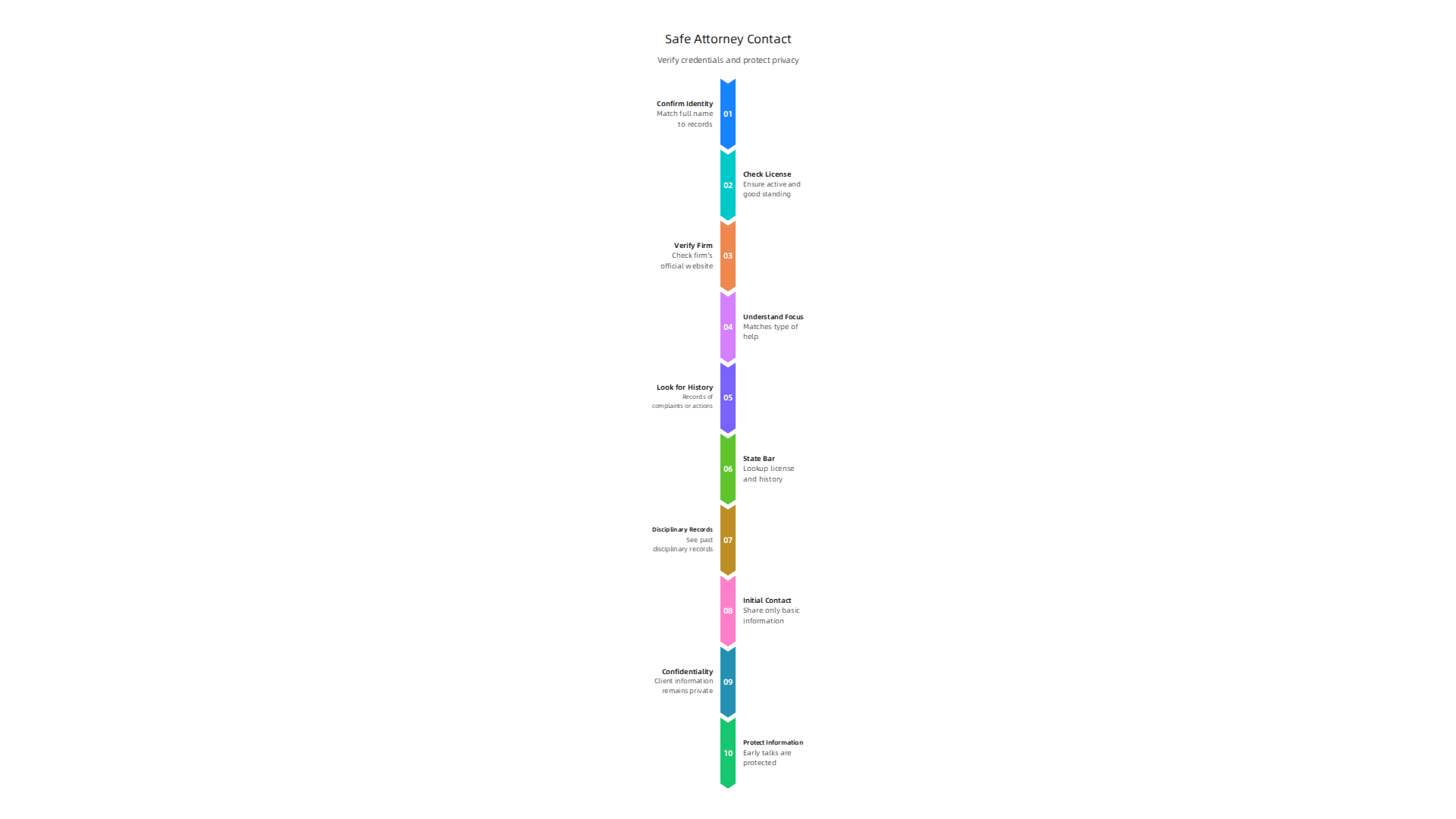
- Confidentiality: Lawyers have a strict rule about keeping client information private. This is called client confidentiality. It means they can’t share what you tell them with others Rule 1.6: Confidentiality of Information.
- Initial Contact: When you first reach out to a lawyer, only share basic information. You should give them just enough details for them to check if they have worked for someone with opposing interests before. This is called a "conflict check." Don’t share all your case details right away. Lawyers are usually told to keep early talks short until they do this check Guidance on a Lawyer’s Duties to Prospective Clients.
- Protecting Your Information: Even if you don’t hire a lawyer, what you tell them in an initial meeting can still be protected. This is why it’s wise to be careful.
By checking licenses and disciplinary history, you add another layer of safety to your choice, making sure you pick a trustworthy and rule-following legal helper.
Knowing how to check a lawyer’s past cases is helpful, but there’s another very important step to take: checking their official license and any disciplinary history. This helps you make sure the lawyer is allowed to practice law and has followed the rules.
How Clients and Recruiters Should Verify Credentials and Contact the Attorney Safely
After looking at a lawyer’s experience, you must also check their official standing. Every lawyer, like a Jaspreet Singh attorney at law or those at big firms like Fieger Law, Thompson Law, or BAL Law Firm, needs a license to practice law. They get this license from a special group in each state, usually called the State Bar Association or a Disciplinary Board. This group makes sure lawyers follow certain rules. If a lawyer breaks these rules, they can face problems.
How to Find Disciplinary Records
It’s actually quite easy to find out about a lawyer’s license and if they have had any problems.
- Visit State Bar Websites: The best place to start is the official website for the State Bar Association in the state where the lawyer practices. Each state has its own website for this.
- You can usually find a search tool on these websites. You just type in the lawyer’s full name.
- For example, you can use these tools to verify a lawyer’s license and discipline in many states. If you need to check a lawyer in Pennsylvania, you can use the Pennsylvania Attorney Look Up. In Colorado, there’s also an Attorney/LLP Search & Disciplinary History. And for Florida, you can learn how to find attorney discipline public records.
- These searches will tell you if the lawyer’s license is active, when they started practicing, and if they have any past issues.
- Look for Discipline Reports: If a lawyer has been disciplined, the state bar’s website will usually show it. Disciplinary actions can range from a public warning to losing their license for a time, or even for good. You can generally check if an attorney has been disciplined through these official channels. Sometimes, this information is also kept in a National Lawyer Regulatory Data Bank for lawyers across the country.
What Disciplinary Records Mean for You
When you find a disciplinary record, it’s important to understand what it means.
- Small Mistakes vs. Big Problems: Not all issues are equal. A minor warning for a small rule break might not be a big deal. But if a lawyer has been suspended or disbarred, it means they did something very serious. These are major red flags.
- Recent vs. Old Issues: Pay attention to when the problem happened. A very old, minor issue might not be as concerning as a recent one.
- What to Do: If you see a disciplinary record, think about how it might affect your case. If it’s a serious issue, it might be best to look for a different lawyer. It is part of finding out how to identify and hire top lawyers for business disputes in 2026.
Being Careful With Privacy and How You Talk to Lawyers
When you are looking into lawyers, you also need to think about privacy and how you talk to them.
- Confidentiality: Lawyers have a strict rule about keeping client information private. This is called client confidentiality. It means they can’t share what you tell them with others, as outlined in Rule 1.6: Confidentiality of Information.
- Initial Contact: When you first reach out to a lawyer, only share basic information. You should give them just enough details for them to check if they have worked for someone with opposing interests before. This is called a "conflict check." Don’t share all your case details right away. Lawyers are usually told to keep early talks short until they do this check, according to Guidance on a Lawyer’s Duties to Prospective Clients.
- Protecting Your Information: Even if you don’t hire a lawyer, what you tell them in an initial meeting can still be protected. This is why it’s wise to be careful.
By checking licenses and disciplinary history, you add another layer of safety to your choice, making sure you pick a trustworthy and rule-following legal helper. In 2026, staying updated on legal tech and lawyer duties is crucial.
For lawyers, clients, and recruiters who want to keep up with the latest in legal technology, there’s a valuable resource. The AI Newsletter Worth Reading delivers clear daily AI updates that are highly relevant to the legal sector.
Summary
This article gives a practical, step-by-step guide for verifying an attorney’s credentials in 2026, explaining why online profiles alone aren’t enough. It covers how to confirm identity, check state bar licenses and disciplinary records, verify firm affiliation and locations, and validate practice areas and representative matters through court dockets and press mentions. The guide explains where to find trustworthy information—official firm websites, state bar lookup tools, PACER and court clerk databases—and how to interpret what you find, including the difference between minor warnings and serious sanctions. It also covers privacy tips for initial contact and conflict checks so you protect sensitive details while vetting a lawyer. Whether you’re a client, recruiter, or compliance officer, you’ll learn the concrete steps and tools to make confident hiring or hiring decisions and avoid common mistakes when researching lawyers and law firms.