
How to Use the Texas Bar Attorney Search to Check a Lawyer’s License and Disciplinary History

Introduction
Need a reliable way to find a licensed lawyer in Texas? The texas bar attorney search tool from the State Bar of Texas is your safest bet.
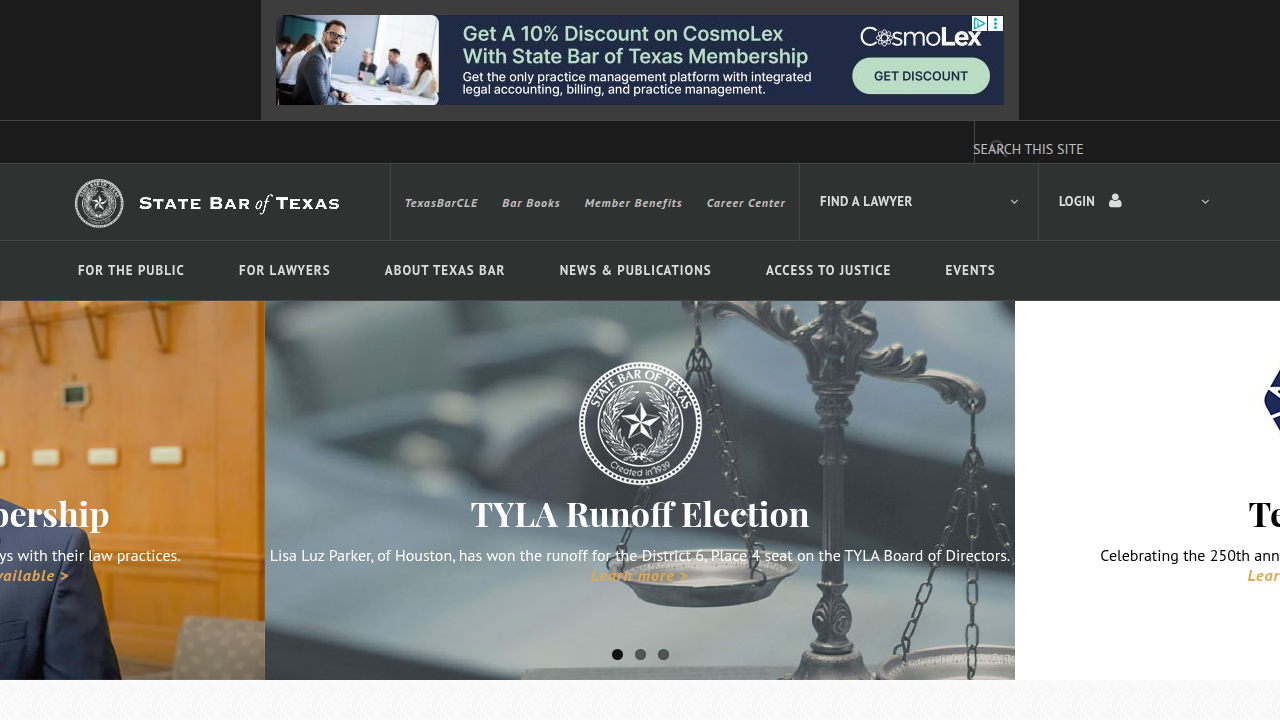
It gives you direct access to verified information about every attorney licensed to practice in the state.
But here’s the thing: many people still rely on outdated directories or unofficial websites. That’s risky. Old listings can lead to wrong contact details, missing disciplinary records, or even scams.
The Legal Directories guide from the Texas State Law Library explains how third-party directories work, but the official bar search remains the gold standard for accuracy.

This guide covers everything from basic search steps to advanced features, data accuracy checks, and compliance best practices. You’ll know exactly how to find the right attorney for your needs.

Want to see how other states handle attorney lookups? Check out this PA attorney lookup guide for a helpful comparison.
And if you want to stay current with legal tech tools that make research easier, The AI Newsletter Worth Reading delivers clear daily updates on AI and technology for legal professionals.
What Is the Texas Bar Attorney Search Tool?
The Texas bar attorney search is the official online membership directory run by the State Bar of Texas. Think of it as the most trusted source for checking whether a lawyer is actually licensed and in good standing.
The Find a Lawyer page on the Texas Bar website calls it "The Online Membership Directory"
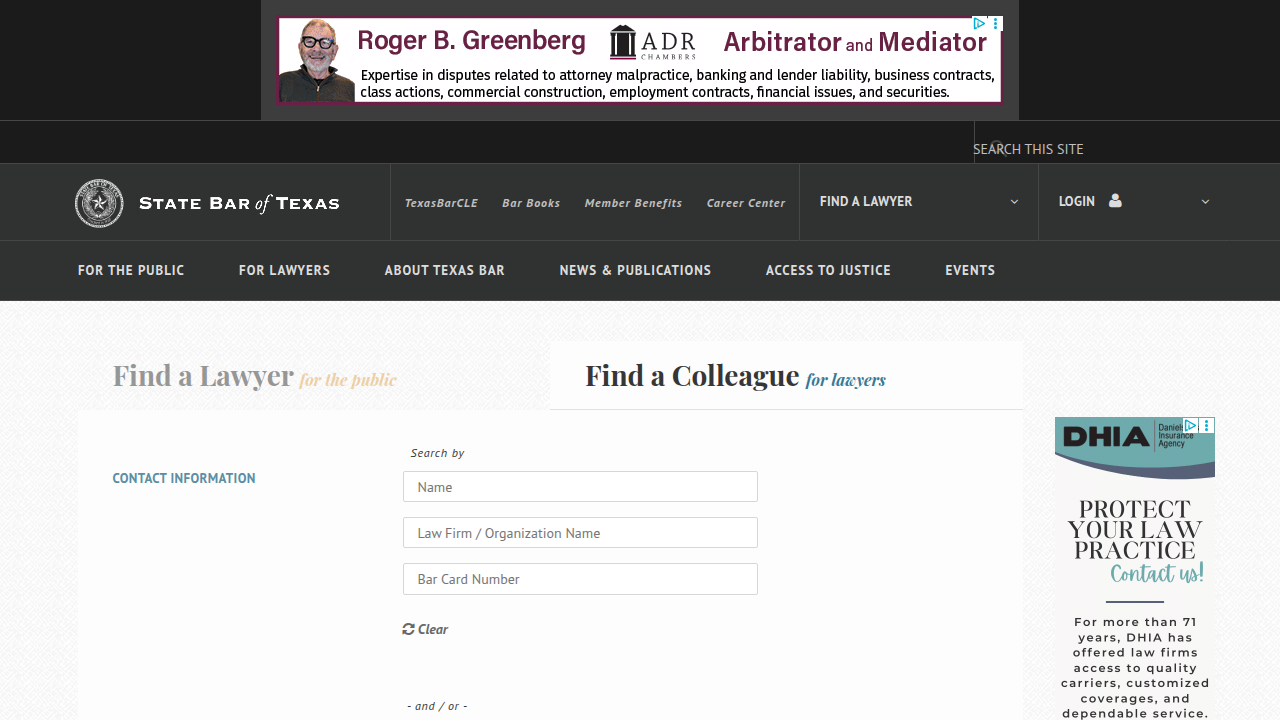
and explains that it provides basic information about attorneys licensed to practice in Texas. That’s the simplest way to describe it.
This tool is completely free and open to the public. You don’t need to log in or pay a fee. Anyone can search by name, city, or practice area.
What kind of information does it show? You get:
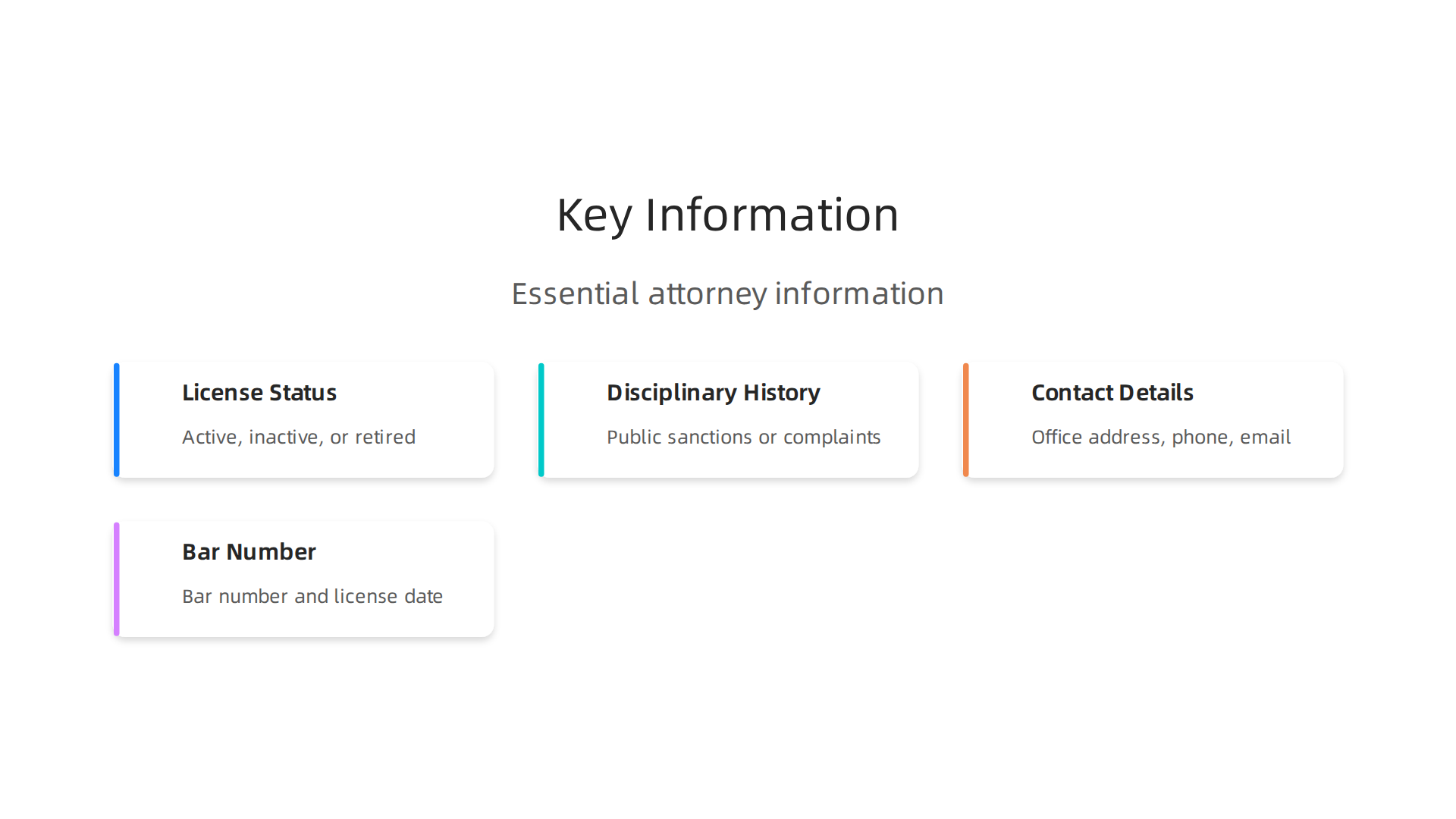
- License status (active, inactive, or retired)
- Disciplinary history (any public sanctions or complaints)
- Contact details (office address, phone number, email)
- Bar number and license date
Why does this matter? Because the database is updated directly by the State Bar itself. Unlike third-party directories that might have stale data, this tool pulls from the official records. It also ties into the State Bar’s disciplinary system, so if an attorney has been suspended or disbarred, that shows up right away.
Knowing the difference between attorney specialties can help you get better results when you search. Whether you need a malpractice lawyer vs litigation lawyer, understanding those distinctions makes your search faster and more accurate.
In short, the Texas bar attorney search is your first stop for verifying a lawyer’s credentials. It’s the same tool that courts, employers, and other legal professionals use to confirm that someone is properly licensed.
How to Use the Tool Step-by-Step
Using the Texas bar attorney search is straightforward. You don’t need any special training. Just follow these simple steps.
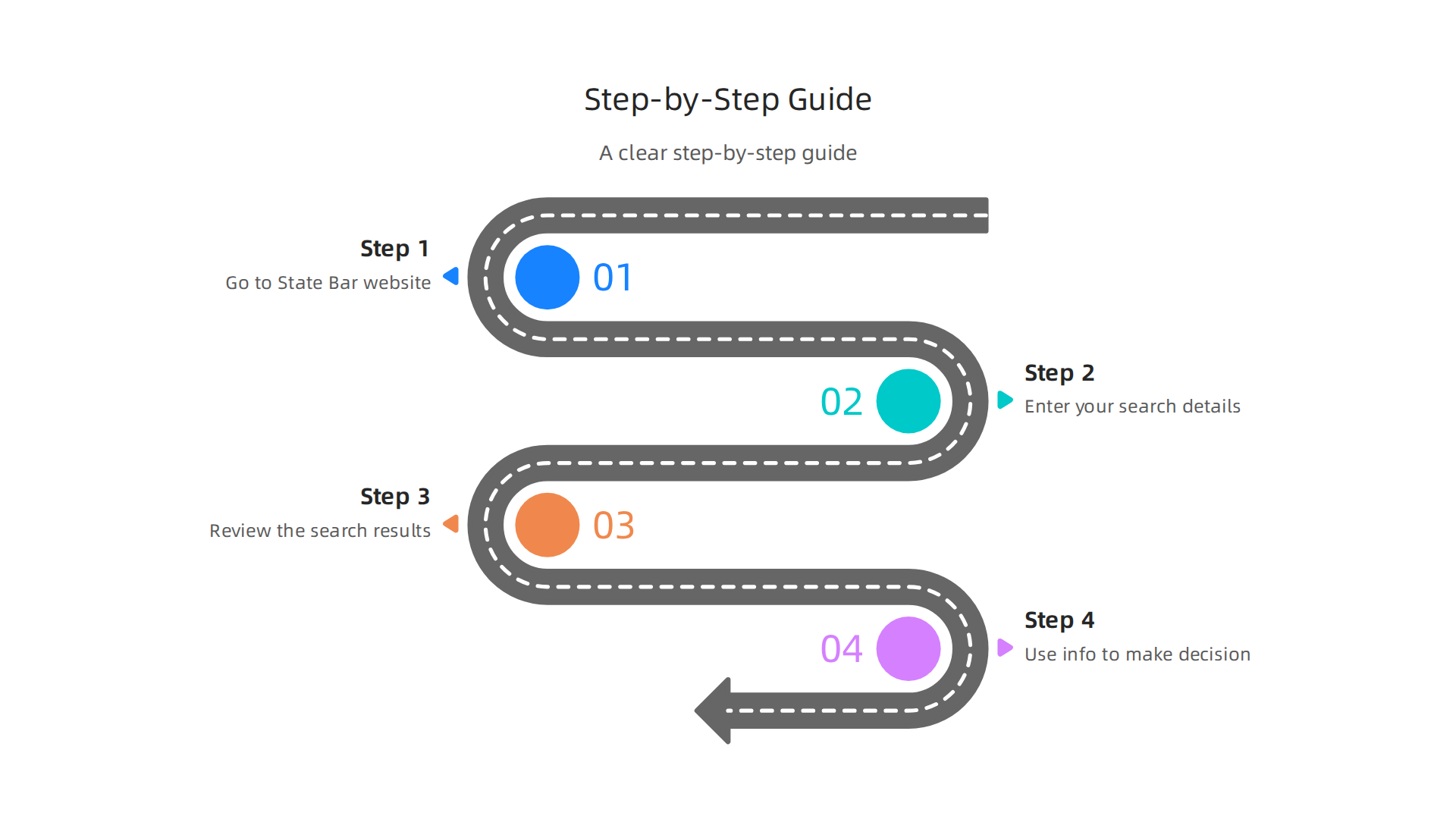
Step 1: Go to the State Bar of Texas website.
Open your browser and head to texasbar.com. That is the official homepage. You will see a button or tab near the top of the page that says "Find a Lawyer." Click it.
Step 2: Enter your search details.
The search box lets you look up attorneys in several ways. You can type a name, a bar card number, a city, or even a practice area. The Frequently Asked Questions page from the State Bar explains that you can also search by specialty certification. So if you need a certified specialist in family law or personal injury, that option is there.
Step 3: Review the search results.
Once you hit "Search," you will see a list of matching attorneys. Click on any name to open their full profile. The profile will show:
- License status – Look for "Active" or "In Good Standing." If it says "Inactive" or "Retired," the attorney cannot legally practice right now.
- Disciplinary history – This section lists any public sanctions, suspensions, or disbarments. It is one of the most important parts of the profile.
- Contact information – You will see the office address, phone number, and email. Use these to get in touch.
- Bar number and license date – These confirm when the attorney was admitted to practice.
Step 4: Use the information to make a decision.
If the attorney is active and has a clean disciplinary record, they are likely a safe choice. If you see any red flags, move on to another candidate. You can also call the State Bar’s Lawyer Referral and Information Service at (800) 252-9690 for help finding a qualified lawyer.
If you are a legal professional who wants to learn more about using attorney lookup systems to grow your practice, check out this guide on how to use an NJ attorney lookup to grow your legal practice in 2026. The same principles apply in Texas.
Final tip: Always run a Texas bar attorney search before you hire anyone. It takes less than a minute and gives you peace of mind.
While you are researching, staying informed about legal technology can help you spot which lawyers are using modern tools and which are stuck in the past. For a daily dose of useful updates, consider subscribing to The AI Newsletter Worth Reading. It delivers clear, practical AI news that matters for legal professionals.
Advanced Search Features: Beyond the Basics
The basic Texas bar attorney search gets you started fast. But there is more you can do to find exactly who you need. Once you get comfortable with the simple name search, try these advanced tricks that take only a few extra seconds.
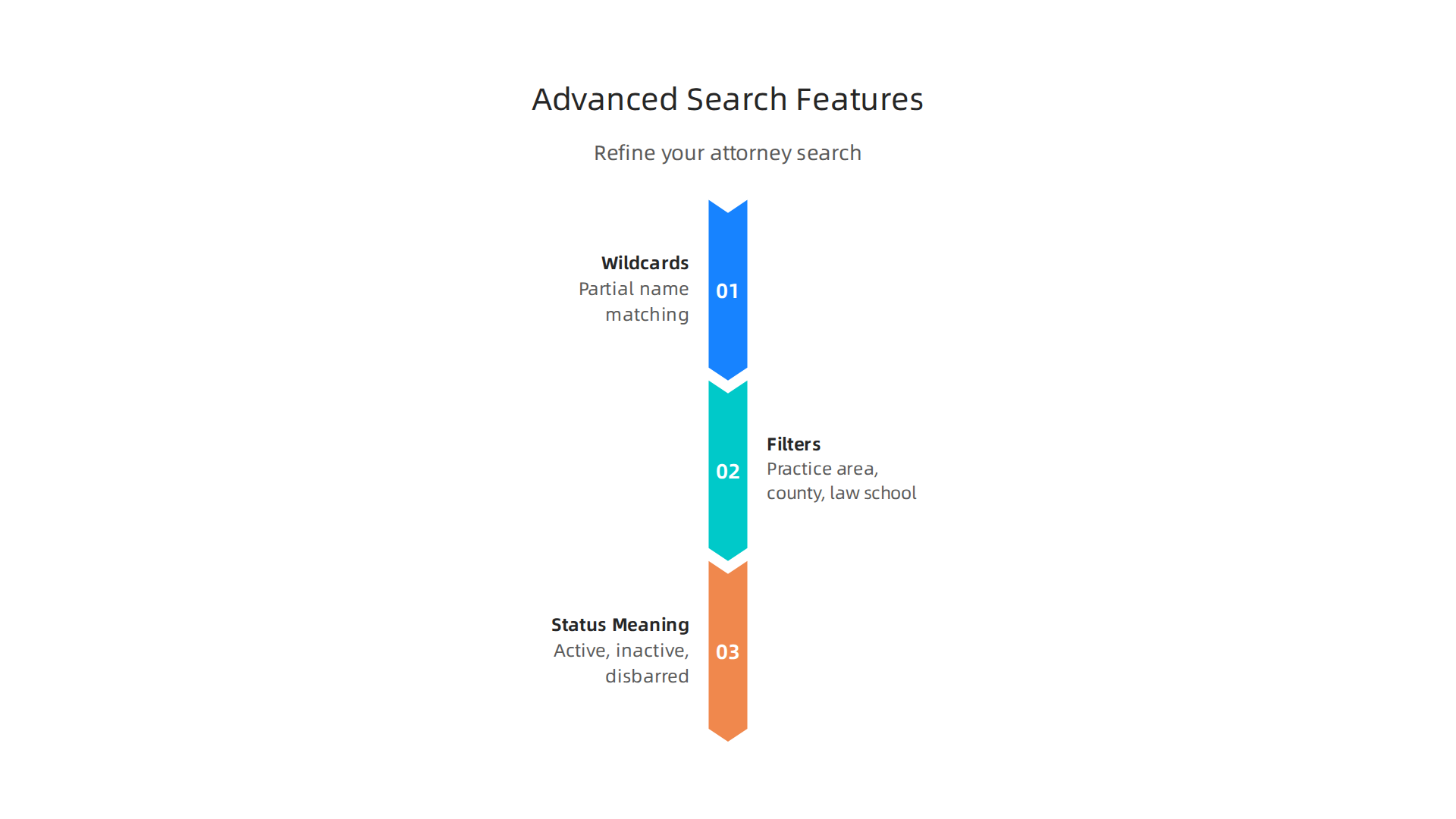
Wildcards and Partial Name Matching
Sometimes you don’t know the exact spelling of an attorney’s name. Maybe you heard "Smith" but it could be "Smyth." The search tool lets you use a wildcard symbol, usually an asterisk (), to fill in the blanks. Type "Smit" and the system will show every name that starts with "Smit." This is handy when hunting for someone with a complicated last name or if you only remember part of it. The official guide to selecting a lawyer from the State Bar of Texas explains that the directory supports these flexible searches.
Filtering by Practice Area, County, and Law School
After you see the results, you can narrow them down. The search lets you filter by practice areas like "family law" or "criminal defense." So if you need a will attorney for estate planning, just select that filter. You can also filter by county to find a Texas small business attorney who works in your area. Another hidden filter is law school. If you want to hire an attorney from a specific school, this option helps you find alumni. These filters save you from scrolling through pages of unrelated names.
Understanding Active vs. Inactive Status
Every profile will show the lawyer’s current status. Active means the attorney can take clients and practice law. Inactive means they chose not to practice right now, often simply because they retired or took a leave. Disbarred means they lost their license. Do not hire an inactive attorney expecting them to represent you. The status is one of the most reliable facts you will see. For more details on what each status means, the Texas courts provide a certificates and licensing page that explains the rules behind these labels.
Once you master these advanced features, you can run the same kind of search in other states. For example, if you work with multi‑state cases, you might want to check the PA attorney lookup system to verify lawyers licensed in Pennsylvania. The same filtering ideas work there too.
Putting these extras to use will make your Texas bar attorney search much more precise. A few extra clicks can show you the best lawyer for your situation without wasting time.
Avoiding Scams: Why Official Searches Matter
Using the Texas bar attorney search is your safest bet. But many people first turn to third-party directories or paid listing sites. That can be a big mistake.
The Risks of Third-Party Directories
Sites that list lawyers for a fee often do not check if the lawyers are actually licensed. Anyone can pay to appear on these pages. You might find a profile for a so-called "will attorney" who looks real but has no valid license. The same goes for a "Texas small business attorney" you find on a random directory. Without an official check, you cannot trust the information.
Some of these directories even use fake reviews and stock photos to build trust. They want you to click and pay for a consultation. Meanwhile, the person you contact might not even be a lawyer.
How Fake Attorney Profiles Harm You
Fake profiles can cause serious damage. If you hire someone without a license, you risk losing money and legal protection. The advice they give could be wrong. And if they mess up your case, you have no recourse through the State Bar because the person was never licensed.
Real law firms also get hurt. Scammers steal firm names and create fake profiles to trick clients. This damages the reputation of honest lawyers. The Texas disciplinary rules cover this kind of misconduct. You can read the general information on legal ethics and professional misconduct to understand the standards lawyers must follow.
Legal Consequences of Practicing Without a License
Practicing law without a valid license is illegal in Texas. The Texas Disciplinary Rules of Professional Conduct set clear rules. Anyone who breaks them can face fines, jail time, and a permanent ban from practicing. The state takes unauthorized practice very seriously.
When you use the official Texas bar attorney search, you get real data straight from the state. You see the attorney’s status, license number, and any discipline history. This is the only way to be sure.

After you confirm a lawyer is licensed, you still want to pick the right one. A reliable attorney will have a professional online presence. On the other hand, bad law firm websites can drive clients away and hurt credibility. Look for clear contact info, practice areas, and real client reviews.
Staying safe online also means staying informed. Legal technology news can help you spot new scam tactics. The Deep View Newsletter sends daily AI updates that keep you in the know. Subscribe to The AI Newsletter Worth Reading and get clear, reliable information to protect yourself and your practice.
Trusting the Database: Privacy, Security, and Integrity
When you use the texas bar attorney search, you need to know the information is reliable. The State Bar of Texas takes this seriously. They have strict rules to keep the database accurate and safe.
How the State Bar Keeps Data Accurate
The data in the directory comes from official sources. The Texas Board of Law Examiners sends licensing information when someone passes the bar. Attorneys must also update their own profiles. The bar then verifies those changes. The Online Membership Directory for Texas attorneys gives you the basic facts about every licensed lawyer in Texas. This includes their status, contact info, and practice areas.
To stay licensed, attorneys must meet MCLE requirements and compliance tracking for Texas attorneys. They need to complete 15 hours of continuing legal education each year, with 3 hours in ethics. The bar tracks this too. If a lawyer falls behind, their status changes in the directory. That is why you always see the most current information.
Protecting Privacy and Preventing Tampering
The State Bar uses security measures to block unauthorized changes. Only approved staff can edit the database. They also follow Texas public records laws. Some lawyer details, like home addresses, are kept private to protect attorney safety. The bar balances transparency with privacy.
The system is reviewed regularly. The Texas Legislature checks the bar’s performance every 12 years under the Sunset Act. This ensures the database stays trustworthy.
What This Means for You
Because the bar controls the data tightly, you can trust the results of your search. No third party can change a lawyer’s profile. You see exactly what the state says is true.
Law firms that take security seriously also follow best practices. For example, they use data protection measures for law firms to keep client information safe. The same care goes into the Texas bar database. When you search, you get the facts straight from the source.
When you search for a lawyer, you have many places to look. The Texas Bar Attorney Search is one option. Other popular directories include Avvo, Martindale-Hubbell, Justia, and FindLaw. But not all directories are the same. Here is how the official Texas source compares.
The Big Advantage: Official, Unbiased Data
The Texas Bar search gives you facts straight from the state. You see the lawyer’s license status, any disciplinary actions, and contact details. This data is not influenced by ads or paid listings. Third-party directories like Avvo and Martindale make money from lawyers who pay for better placement. As a result, the results you see on those sites can be biased toward paying attorneys. The legal directories listed by the Texas State Law Library explain that these commercial directories are like phone books — they help you find attorneys, but they do not guarantee accuracy.
With the Texas bar search, every result is backed by the state. There are no sponsored listings pushing one lawyer above another. You also get the full disciplinary history, which is harder to find on Avvo or Martindale. This matters when you need a will attorney or a Texas small business attorney. You want someone in good standing, not just a high star rating.
Where Other Directories Shine
The trade-off is that the Texas bar search does not include user reviews or detailed profiles. Avvo and Martindale show client ratings, peer endorsements, and practice descriptions. These can help you understand a lawyer’s reputation. But remember: those reviews come from the public, and some lawyers can game the system.
If you want a deeper look before you decide, you can also check other state bar tools. For example, the PA attorney lookup for disciplinary history works similarly to Texas. It shows you the same kind of official data.
Which One Should You Use?
Use both. Start with the Texas Bar Attorney Search to confirm licensing and ethics. Then visit Avvo or Justia to read client reviews and get a feel for their style.

That way you get the best of both worlds: official reliability plus community feedback.
If you want to stay ahead of how technology is changing the way you find and evaluate legal help, consider getting clear daily AI updates from The AI Newsletter Worth Reading. It helps legal professionals keep up with new tools and trends.
How Often Is the Data Updated?
You look up a lawyer today, and everything checks out. But what if their license status changes tomorrow? Is the Texas bar search data fresh enough to trust?
Here is the good news. The State Bar of Texas updates its database every single night. That means license status changes, new admissions, and discipline actions are reflected promptly. When you search for a lawyer in the Texas bar attorney search page, you are seeing data that is usually less than 24 hours old.
Discipline actions are especially important. If a lawyer gets suspended or receives a public reprimand, that information shows up quickly. New lawyers who just passed the bar are added to the database soon after they are licensed. This nightly refresh keeps the directory reliable for people who need a will attorney or a Texas small business attorney. You do not have to wonder if the information is stale.
On the search page itself, you can find a note that tells you when the data was last updated. It is usually the previous day’s date. This transparency lets you verify the freshness yourself. If you ever need the absolute latest on a specific lawyer’s discipline case, you can also check the Board of Disciplinary Appeals website for real-time rulings.
So the answer is simple. The data updates nightly, and you can see the update date. That makes the Texas bar search one of the most current official sources available.
Mobile Access and Search Optimization
You are stuck in traffic, or maybe sitting in a coffee shop. You need to find a lawyer fast. Can you pull up the Texas bar attorney search on your phone without any trouble?
The good news is the State Bar of Texas website works well on mobile devices. The site is responsive, which means the page adjusts to fit your screen size. But there is no dedicated mobile app. You have to use your phone’s browser.
Here is how to make the search faster on a smartphone.
First, bookmark the search page. Open the Texas bar attorney search in your browser and save it as a bookmark. That way you do not have to type the address every time.
Second, use voice search. Most phones let you speak your search terms. If you need a will attorney or a Texas small business attorney, just say the words into your phone. The directory supports it because it is a standard web search.
Third, watch your loading speed. The site loads quickly on mobile connections, especially if you have a good signal. But if the page is slow, try refreshing or switching to Wi-Fi.
More people are searching for lawyers on phones every year. This trend means the directory must stay fast and easy to use. The State Bar of Texas keeps its site updated to meet this demand. You can find the same information on mobile that you get on a desktop computer, including license status and discipline history.
If you want to see how other states handle mobile attorney lookups, check out this guide on how to use a state attorney lookup tool for comparison.
Staying informed about legal tech is also key. Mobile tools are changing fast. Want to keep up with the latest updates? Subscribe to The AI Newsletter Worth Reading for daily insights that help you stay ahead.
Tips for Legal Professionals: Using the Tool for Compliance
If you work in a law firm or legal department, the Texas bar attorney search is more than a way to find a lawyer. It is a real compliance tool you should use every day. In 2026, ethical rules are stricter than ever. The directory helps you stay on the right side of those rules in three important ways.
Run better conflict checks
Before your firm takes on a new client, you must know whether a conflict of interest exists. Maybe the new client is a small business looking for a Texas small business attorney, but someone in your firm previously represented the opposing party. You can search the directory to see if a lawyer with a connection to that matter is listed. The Texas Disciplinary Rules of Professional Conduct are clear about your duty here. A quick check in the Texas bar attorney search helps you catch problems before they start. For a full breakdown of what the rules require, read this overview of the Texas Disciplinary Rules of Professional Conduct.
Monitor outside counsel credentials
Your firm probably hires outside lawyers for certain cases. You need to confirm those lawyers are licensed and in good standing. The directory lets you pull up their license status, check for public discipline, and verify their standing with the State Bar of Texas in seconds. This is a basic but vital part of vendor management. If you want to see how other states handle similar checks, you can use an NJ attorney lookup to grow your legal practice in 2026 for comparison.
Verify pro hac vice applications
When an out-of-state lawyer wants to appear in a Texas court, your firm may need to file a pro hac vice motion. Before you do that, verify the lawyer has no Texas-specific discipline or suspensions. The Texas bar attorney search lets you check their name against Texas records. One missed disciplinary note could hurt your firm’s credibility with the court.
Using the directory this way keeps your practice clean, your clients protected, and your reputation solid.
Summary
This article explains how to use the State Bar of Texas Online Membership Directory to find and verify attorneys licensed in Texas. It walks you through a simple, public, and free step‑by‑step search process (by name, bar number, city, or practice area) and shows what each profile reveals—license status, disciplinary history, contact details, bar number, and admission date. The guide also covers advanced tricks like wildcards, filters for practice area or law school, and how to interpret active vs. inactive status. It warns about the risks of third‑party directories and fake profiles, explains how the Bar maintains data accuracy and nightly updates, and highlights privacy and security safeguards. Practical tips for mobile searching and using the tool for firm compliance (conflict checks, outside counsel verification, pro hac vice) are included so readers can make safer, faster hiring decisions.