
How to Choose the Best Employment Lawyers NYC in 2026 Nine Proven Criteria

Introduction: Why Choosing the Right NYC Employment Lawyer Matters More Than Ever
New York City’s employment rules change fast. In 2026, staying compliant is tougher than ever. The city and state have passed major updates, including new salary threshold increases and pay data reporting requirements that kick in this year. Honigman’s alert notes that starting January 1, 2026, the weekly threshold in NYC rose to $1,275.00. At the same time, agencies are cracking down harder. Fox Rothschild reports that enforcement is becoming more aggressive, especially with shifting political leadership.
That means one bad hire for your legal panel can cost you time, money, and reputation. For legal operations leaders and in-house counsel, you need a smart, data-driven way to pick the right employment lawyers NYC offers. You can’t rely on marketing hype or word of mouth alone.
This listicle cuts through the noise. We break down nine proven evaluation criteria backed by 2026 research. Each criterion helps you compare firms on what actually matters: expertise in local laws, track record with compliance, and ability to adapt to new regulations. To get more context on how the role of employment lawyers is evolving, check out our deep dive on the employment lawyer career in 2026.
By the end, you’ll have a clear framework to confidently select outside counsel who can protect your organization in this complex legal environment.
1. Why Local NYC Court Experience Is Non-Negotiable
You’re about to hire a firm that looks great on paper. They’ve got a fancy website and a Manhattan address. But have they actually stepped foot in the Southern District of New York courtroom where your case will land?
Here’s a common mistake we see. Many national law firms have a New York office staffed with lawyers who transfer in from other states. They might know federal rules generally. But they don’t know the unwritten rules that matter in NYC courts.
The Southern District of New York and the state courts have unique procedural quirks. Local judges develop clear preferences about everything from motion briefing styles to how they handle discovery disputes. A lawyer who practices there regularly builds relationships and knows exactly how a specific judge will react.
This matters more in 2026 because enforcement is getting sharper. Fox Rothschild reports that New York City agencies are becoming more aggressive under shifting political leadership. Local lawyers already know which agencies are cracking down and how.
And consider the new rules. Honigman alerts that as of January 2026, the salary threshold in NYC jumped to $1,275.00 per week. A lawyer who doesn’t live and breathe these local changes will miss key compliance details.
Large national firms can have capable New York offices. But boutique firms often have deeper roots. They live in the same courthouses day after day. They’ve argued before the same judges for years. That kind of experience can’t be faked.
Think about it this way. You wouldn’t hire a defamation law firm that mostly handles cases in California to litigate a defamation suit in Manhattan. The same logic applies to your employment lawyers NYC team. They need to be dialed into the local judicial landscape.
For a fuller look at how the employment lawyer role is transforming in 2026, read our deep dive on the employment lawyer career in 2026. It explains why specialization is becoming even more critical.
When you vet firms, don’t just ask “Do you have a New York office?” Ask “How many times have you been in front of Judge ___ in the last year?”

The answer will tell you everything you need to know.
2. Mastering Federal and State Employment Laws
Here’s where things get tricky. Your case isn’t just about federal law. It’s about a web of overlapping protections that can confuse even experienced attorneys.
NYC employers must comply with federal laws like Title VII, the ADEA, and the ADA.
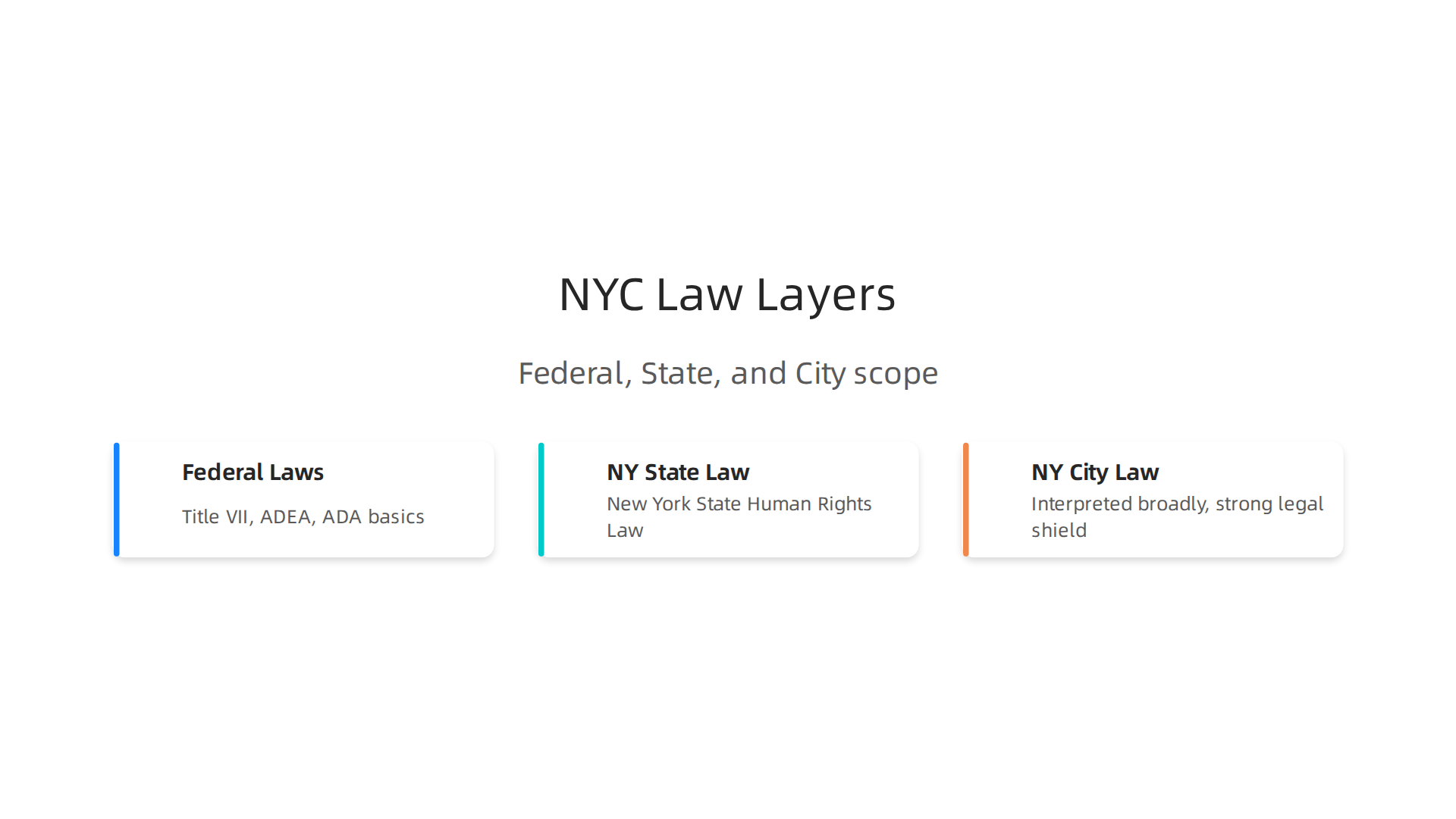
Those are the basics. But then you add the New York State Human Rights Law (NYSHRL) and the New York City Human Rights Law (NYCHRL). And here’s the big difference. The NYCHRL is interpreted much more broadly than federal law. Courts have said it must be read independently and generously to protect workers.
What does that mean for you? A claim that might fail under federal law could still win under the NYCHRL. A lawyer who only knows federal rules might tell you your case has no merit. But a lawyer who lives in the NYCHRL every day would spot the winning argument right away.
The stakes keep rising. As Fox Rothschild reports, New York agencies are becoming more aggressive in enforcement as political leadership shifts. And new requirements keep piling on. The NYC Council recently passed pay data reporting laws that add another compliance layer for employers.
Statistics tell the story too. Nationwide, 93% of employees report experiencing workplace discrimination. But in NYC, the NYCHRL gives those employees a much stronger legal shield.
This is why you need employment lawyers NYC who understand every layer of the law. Not just the federal framework. The state rules. And especially the city rules that give you the most protection.
If you are curious about how the legal profession continues to change around these specializations, read our look at how technology reshapes the attorney role in 2026. It shows why deep local knowledge matters more than ever.
3. Plaintiff vs. Defense: Choosing Aligned Representation
Now you understand the layers of the law. But there is another big choice you must make. Who should fight for you? Not all employment lawyers NYC work the same way. They fall into two main camps.
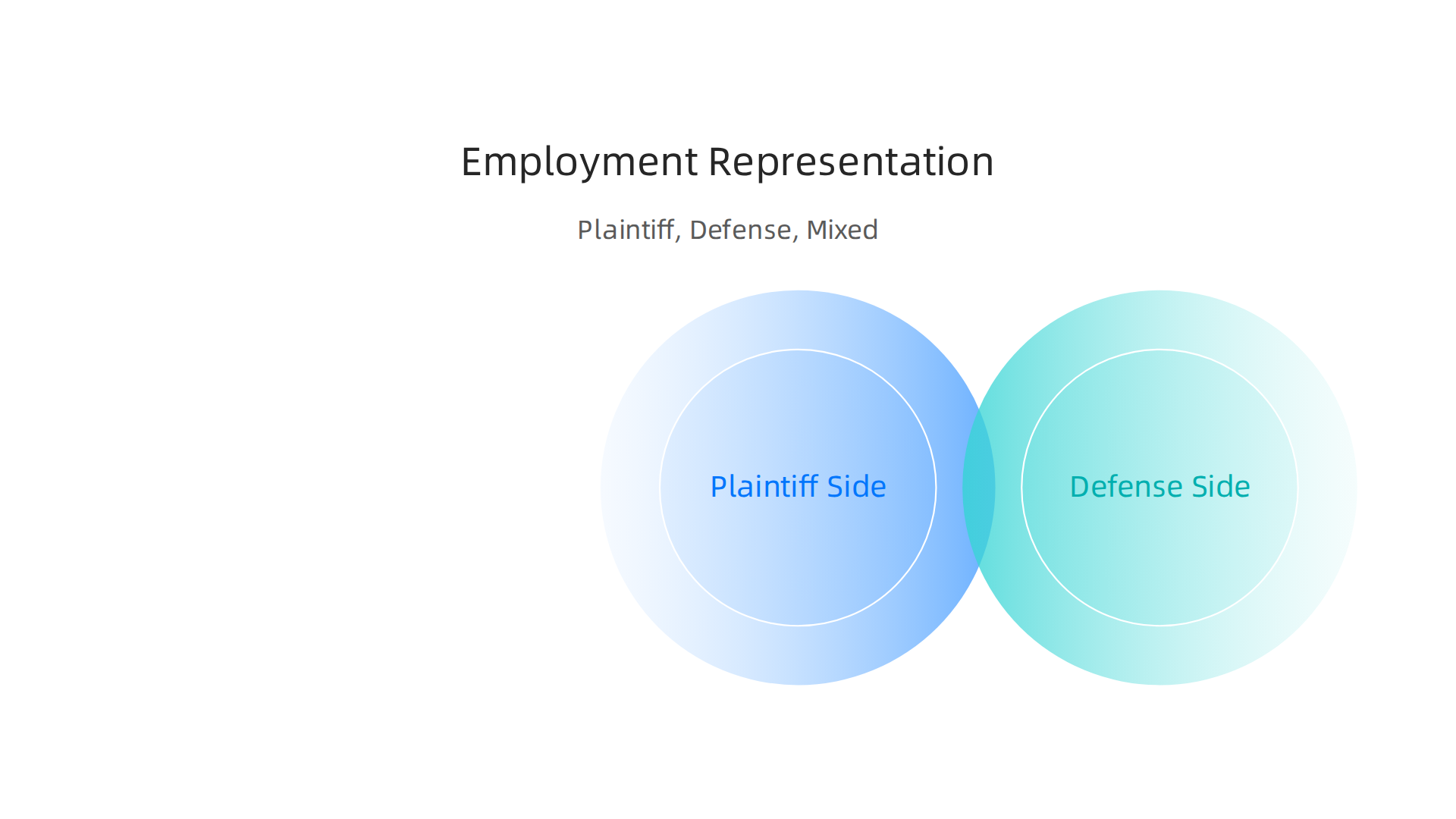
Plaintiff-side lawyers represent workers. They fight against companies for fair treatment. They usually work on contingency. That means you pay them nothing upfront. They only get paid if you win. These lawyers focus on getting you a settlement or a court victory. Wigdor LLP is a well-known NYC firm that has won big for victims of discrimination and harassment.
Defense-side lawyers represent companies. Their goal is to protect the employer from lawsuits. They often get paid by the hour. They work on stopping claims before they start. Big national firms like Littler Mendelson focus almost entirely on defending employers.
Here is the thing. If you are a worker, you want a plaintiff-side lawyer. That person lives and breathes your side of the case. They know how to push for the strongest protections under the NYCHRL. If you are a business owner, you need a defense lawyer who can keep you out of trouble.
But there is a third option. Some lawyers work at mixed-practice firms. They handle both sides. This can give you a wider view of the battlefield. They know what arguments the other side will use. That can be a real advantage.
No matter which side you are on, you need a lawyer who understands your world. If you are curious about how the legal profession keeps changing, read our look at the employment lawyer career in 2026 and how specialization matters more than ever.
4. Track Record: Verdicts and Settlements That Speak
You have figured out which side of the law you are on. Now comes another big question. How do you know if a lawyer can actually win your case?
Public verdicts and settlements give you a real look at a lawyer’s past performance. You can see who has a history of winning big for their clients. For example, Phillips & Associates has won over $360 million for victims of workplace discrimination and harassment. Wigdor LLP has a proven record of securing major verdicts against powerful employers. Firms like these have the results to back up their reputation.
Justia’s directory lets you compare top rated employment attorneys in New York City. You can check their ratings, client reviews, awards, and case results all in one place. Best Lawyers also ranks top employment lawyers across the country. These tools help you separate hype from actual results.
But here is the thing. Many cases settle confidentially. So public records only tell part of the story. A lawyer could have resolved dozens of cases for huge sums, but you might never find that in a Google search. That does not mean they are bad. It just means you need to ask the right questions during your consultation.
That is why you should look for a balanced track record. The best employment lawyers NYC have experience across three areas:
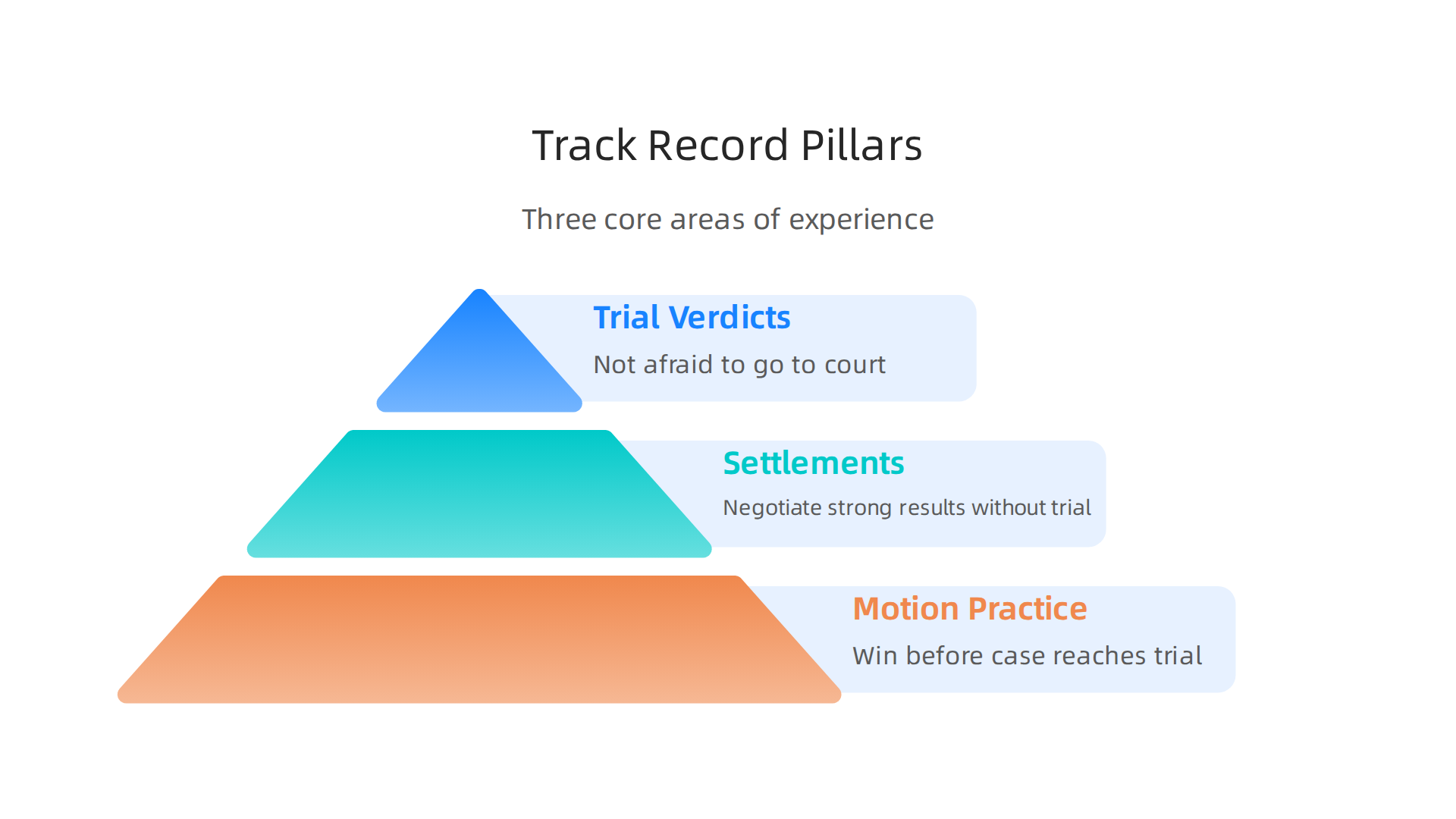
- Trial verdicts – They are not afraid to go to court and argue before a jury.
- Settlements – They know how to negotiate strong results without going to trial.
- Motion practice – They can win before the case even reaches trial.
A lawyer who only settles may lack the stomach for trial. A lawyer who only goes to trial may be missing opportunities to resolve cases faster. You want someone who does all three well.
If you want to dig deeper into how to check a lawyer’s background, our guide on using the state attorney lookup tool can help you verify credentials and disciplinary history before you make your choice.
5. Leveraging Legal Tech for Case Strategy and Efficiency
Past results tell you a lawyer’s history. But how a firm works today matters just as much. The best employment lawyers NYC do not just rely on experience. They use modern legal technology to build stronger cases faster.
In 2026, AI tools are changing how employment attorneys prepare for court. For example, AI can automate document review, flag jurisdictional risks, and check for consistency across thousands of pages. As Spellbook explains, specialized employment law AI helps lawyers spot problems and draft smarter arguments. This means less time buried in paperwork and more time focused on your case.
Top legal tech companies like Casetext, Kira Systems, and LexisNexis now offer tools that predict case outcomes, help with e-discovery, and manage evidence. According to Tezeract, these platforms are becoming standard in leading practices. Many of the top legal tech companies are based in NYC, which means local firms often have firsthand access to cutting edge software.
Why should this matter to you? Firms that invest in legal tech can often give you faster, more cost effective representation.

They can sort through emails, contracts, and company policies in hours instead of weeks. And with client portals and automated updates, you get better transparency into how your case is moving forward. You will not be left wondering what is happening.
When you meet with a potential lawyer, ask about the tools they use. Do they rely on AI for document review? Do they use case prediction software to estimate settlement ranges? A lawyer who embraces tech is likely more efficient and prepared.
To learn more about how technology is reshaping the role of attorneys, check out our guide on leading law firms that embrace technology in 2026. And if you want to stay ahead of the curve yourself, consider subscribing to a daily newsletter that breaks down AI and legal tech updates in plain English. The Deep View Newsletter delivers practical insights every morning so you can make smarter decisions about your legal team.
6. Transparent Fee Structures and AFAs
Legal tech is not the only thing shifting how employment lawyers work. The way they charge for services is also changing. And that matters to your wallet.
For years, hourly billing was the standard. You paid for every minute a lawyer spent on your case. In New York, those minutes can be expensive. According to Brandon J Broderick, hourly rates for employment lawyers typically range from $200 to $500 per hour. Across all practice areas, the average rate in New York is $426 per hour. That is well above the national average.
But in 2026, more firms offer alternative fee arrangements or AFAs.
These include flat fees, capped fees, and contingency models.
With a flat fee, you pay one set price for a specific service. With a contingency fee, you pay a percentage of your settlement, usually 30 percent to 40 percent, as Lawful explains. You only pay if you win.
Why does this matter? Clear pricing upfront removes stress. You know what to expect. That builds trust and helps you plan your finances.
Boutique firms often lead with more flexible pricing. Unlike large firms with rigid billing rules, smaller firms can tailor fees to your situation. The same flexibility applies to other niche practices as well.
So when you meet with employment lawyers NYC, ask about their options. Do they offer flat rates? Will they work on contingency? A lawyer who is open about pricing is a lawyer worth hiring.
For more on how the legal profession is evolving, read our article on how the attorney role is changing in 2026. The best representation combines modern tools with fair and transparent pricing.
7. Client Reviews and Peer Recognition: Separating Signal from Noise
You found a lawyer with a perfect five star rating online. That sounds great, right? Not so fast. In 2026, online reviews and peer awards can be a helpful starting point, but they can also mislead you.
Platforms like Avvo, Martindale-Hubbell, and Super Lawyers give you structured ratings and peer reviews. For example, the Super Lawyers directory lets you search for recognized employment attorneys in New York. Similarly, Best Lawyers lists top rated lawyers based on peer surveys. And directories like Justia combine client reviews with awards and case results.
But here’s the thing. These systems can be gamed. Some platforms let lawyers buy better placement. Others rely on self nominations or limited client pools. A lawyer can have an impressive profile without a proven track record in your specific type of case.
So how do you separate signal from noise? Use multiple sources. Look for consistent recognition across several directories. Check if the lawyer has won awards from respected organizations like Best Lawyers or Super Lawyers. But also read the fine print about how those awards are given.
The most reliable picture comes from combining online research with real conversations. Ask for referrals from people you trust. During your consultation, ask the lawyer about their experience with cases like yours. And always check their disciplinary history. You can use a state lookup tool like the PA attorney lookup (most states have similar systems) to verify their license is clean.
This same approach works whether you are hiring employment lawyers NYC or looking for an elder law attorney or defamation law firms. Don’t let a shiny star rating make your decision for you.
Want to stay ahead of changes in the legal industry? Subscribe to The Deep View Newsletter for daily AI updates that matter to legal professionals.
8. Specialized Expertise by Industry
So you found a lawyer with great reviews and no disciplinary marks on their record. That is a solid first step. But here is the next big question: Does this lawyer really understand your industry?
Employment law is not the same for every sector. The rules that apply to a hospital are very different from the rules for a tech startup or a restaurant chain. In New York City, where the economy covers everything from finance to healthcare to hospitality, industry specialization matters a lot.
Think about healthcare. Hospitals and nursing homes face unique challenges around patient care rules, licensing issues, and specific union contracts. Miller Johnson has a dedicated team that works with these organizations to spot problems before they turn into lawsuits.
Now look at the finance world. Issues around bonuses, licensing, and regulatory compliance come up all the time. The tech sector deals with non compete agreements, intellectual property disputes, and the tricky question of how to classify remote workers. And hospitality? Wage and hour claims are very common there.
Top law firms build practices around these differences. Epstein Becker Green helps employers manage workplace risk across different industries. Morgan Lewis serves clients worldwide with teams that know the unique rules of each sector. And Duane Morris regularly counsels employers on keeping up with federal, state, and local laws that change by industry.
This idea holds true whether you are looking for employment lawyers NYC or searching for an elder law attorney or defamation law firms. The industry knowledge is what sets great lawyers apart from good ones.
So during your consultation, ask a direct question. "How many clients have you helped in my field?" Their answer will give you real insight.
Want to dig deeper into what makes a modern employment lawyer effective? Read our full breakdown on the employment lawyer career in 2026.
9. Accessibility and Communication: The Human Element
So you’ve found a lawyer with deep industry knowledge. That’s great. But here’s a question that matters just as much: Will this lawyer actually talk to you?
Responsiveness and clear communication are the top drivers of client satisfaction in legal services.

You can have the smartest attorney in New York, but if they never return your emails or explain things in plain language, your experience will be stressful. That’s why many top firms now make communication a priority. For example, Manifest Law advertises a fast response time and same‑day free consultations. That kind of accessibility can make a huge difference when you have a pressing employment issue.
Technology is also changing how you connect with your lawyer. Secure client portals let you upload documents, check case updates, and message your attorney at any hour. Automated status updates keep you informed without having to pick up the phone. According to a recent guide on legal technology in 2026, these tools can transform a law firm’s productivity and, by extension, your experience as a client.
But even with all the tech, face‑to‑face availability in Manhattan still matters. Many clients want to sit down in an office and talk through a complex situation. Firms like Pechman Law Group and Wigdor LLP are based right in NYC, offering that in‑person connection. The best choice often blends digital convenience with old‑fashioned personal attention.
This balance applies whether you’re searching for employment lawyers NYC, an elder law attorney, or defamation law firms. Great communication is not optional. It is the glue that holds the whole attorney‑client relationship together.
Curious how artificial intelligence is reshaping the way law firms talk to clients? Stay ahead with daily insights from The AI Newsletter Worth Reading. You’ll get clear updates on the tech that’s making legal communication faster, smarter, and more accessible.
Want to see how the role of the modern lawyer is evolving? Read our full breakdown: Lawyer Defined 2026: How Technology Reshapes the Attorney Role.
Summary
This article explains how to choose the right employment lawyers in New York City in 2026, when local rules, higher enforcement and new pay‑data and salary thresholds make compliance more complex. It lays out nine practical evaluation criteria—from proven NYC courtroom experience and deep knowledge of federal, state and NYCHRL rules to track record, legal technology use, fee transparency, industry specialization, and client communication. The guide shows why local expertise and a balanced mix of trial, settlement and motion practice matter, and why legal tech and alternative fee arrangements can save time and money. It also explains how to vet firms using public verdicts, peer recognition, and state attorney lookup tools so you avoid marketing noise. After reading, you’ll have a clear checklist to compare firms, ask focused interview questions, and pick outside counsel who can protect your organization in an aggressive enforcement environment.