
Your Guide to Finding a Skilled Wage Garnishment Lawyer

Wage garnishment happens when money is taken directly from your paycheck or bank account to pay a debt you owe.

It is like someone reaching into your wallet before you even get a chance to use your money. This can be for things like credit card bills, medical debts, child support, or even taxes. When this happens, it can be very stressful because it cuts down the money you have for living expenses.
That is why getting help from a skilled wage garnishment lawyer is so important. A lawyer who knows about wage garnishment can make a big difference in how your case turns out.

They understand the complex rules, like how much money can be taken from your pay. For example, federal law generally says that for regular debts, no more than 25% of your take-home pay can be garnished, or the amount your pay goes over 30 times the federal minimum wage, whichever is less. There are rules that protect some of your earnings from being taken 2026, as explained in your Guide to Wage Garnishment Laws by State for 2026. A lawyer can help you find out if your specific situation has special protections.
These cases often come from other legal problems, like when a judge rules against you in a civil lawsuit. A good wage garnishment lawyer works to protect your income, find any special exemptions that apply to your money, and make sure that all timelines are met in court. Whether you are dealing with a decision from a civil litigation attorney chicago or an issue that an employment lawyer nyc could advise on, the steps after a judgment can be tricky. Even a business attorney philadelphia might need to help a client if their business earnings are at risk.
In this guide, we will help you understand how to find the right wage garnishment lawyer. We will show you how to search for good lawyers, what questions to ask when you meet them, how much their help might cost, and what you need to do to get ready for court. Knowing how to check an attorney’s background is a smart first step.
To stay current on how technology is changing the legal world, including tools that can help legal professionals manage complex cases, you might find this helpful:
The AI Newsletter Worth Reading
When we talk about wage garnishment, it is not always just about your paycheck. There are different ways your money can be taken to pay a debt. Understanding these types is the first step to figuring out what kind of help you need from a skilled wage garnishment lawyer.
Different Types of Garnishment
Most people think of money being taken from their salary, which is called wage garnishment.
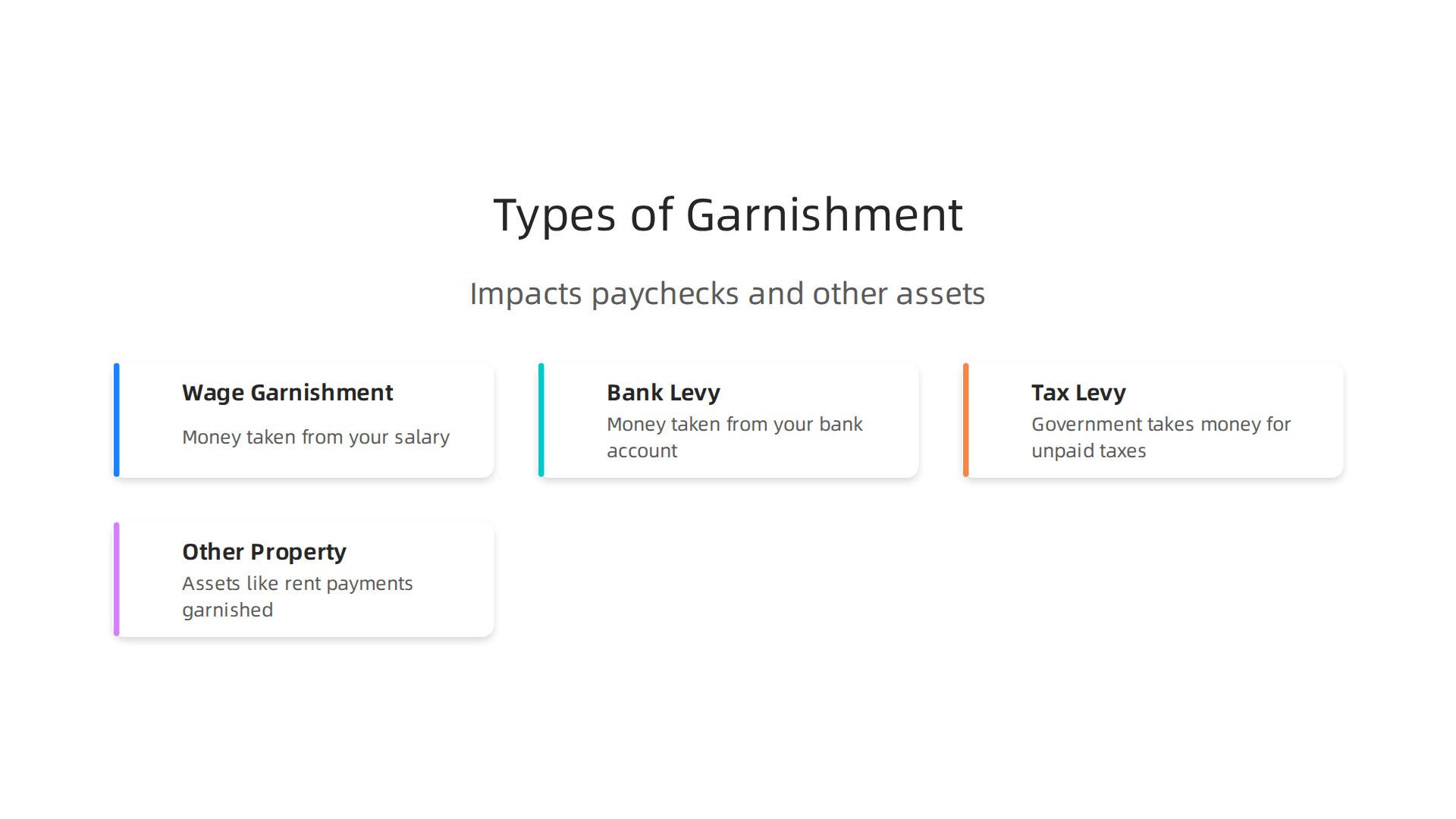
This usually happens after a court makes a decision that you owe money. But there are other kinds too.
- Bank Levy: This is when money is taken directly from your bank account. It can be a checking account, savings account, or other accounts. The money is frozen and then taken to pay a debt. This can happen very quickly and without much warning.
- Tax Levy: If you owe money to the government for unpaid taxes, they can take your money without needing a court order first. This can include taking money from your pay, bank accounts, or even other property. The rules for tax levies are often different from other kinds of garnishment. For example, federal law says the IRS must leave you with a certain amount for living expenses, and they have special powers to collect tax debts, as explained by tax experts in 2026 IRS Wage Garnishments in 2026: How Much Can Be Taken?.
- Other Property Garnishment: Sometimes, other assets like rent payments you are owed or money held by someone else for you can be garnished. This is less common for individuals but can happen.
Common Reasons for Garnishment
Why does garnishment happen? Usually, it is because of certain "triggers."
- Court Judgments: This is the most common trigger for wage or bank garnishment. It means you were sued in court, and the judge decided you owe money. A
civil litigation attorney chicagoor a similar lawyer could have been involved in the original lawsuit that led to this. - Unpaid Taxes: As mentioned, the IRS or state tax authorities can issue a tax levy for unpaid taxes.
- Child Support or Alimony: These are special kinds of debts. Laws allow money to be taken from paychecks to ensure families are supported. The limits for how much can be taken for child support are often higher than for other debts.
- Student Loans: Federal student loans can also lead to wage garnishment without a court order, though there are rules about how this works.
Each type of debt has its own rules, and this affects the legal strategy. A wage garnishment lawyer needs to know which type of debt you have and who is trying to collect it.
Protecting Your Money with Exemptions
Here is some good news: not all your money can be taken. There are rules, called "exemptions," that protect certain types of income or certain amounts of your earnings. For most regular debts, federal law generally protects a portion of your wages. This means they cannot take everything. For example, some states have their own rules that offer even more protection, sometimes blocking garnishments completely or setting stricter limits than federal law, which you can learn about in this video on Wage Garnishment Exemptions — 4 States That Block It (§1673).
Money that often cannot be garnished includes:
- Social Security benefits
- Disability benefits
- Workers’ compensation
- Unemployment benefits
- Certain retirement funds
A good wage garnishment lawyer can help you understand these exemptions. They can file papers with the court to show that some of your money should be protected. This is a key part of what they do. Whether you are dealing with a decision from an employment lawyer nyc case or an issue a business attorney philadelphia might face, understanding these protections is crucial. Knowing how to master legal research databases in 2026 can help lawyers find all the specific rules that apply to your situation.
The good news about exemptions is just one part of the picture. Another big thing to know is that wage garnishment rules are not the same everywhere. They can be different depending on if federal or state laws are in charge.
Federal vs. State Rules and Why They Matter
Federal laws give you some basic protections against wage garnishment.

For most regular debts, like credit card bills, federal law says they can only take a certain amount of your disposable earnings. This amount is usually the smaller of two things: 25% of your pay after taxes, or the amount your pay goes over 30 times the federal minimum wage. These rules make sure you have enough money left to live on. You can read more about these general protections in this Wage Garnishment Rights, Limits, and Exemptions guide.
However, states can have their own rules. And here’s the important part: state laws can offer you more protection than federal laws. They can set lower limits on how much money can be taken, or even stop garnishments completely for certain types of income or debts. For example, some states have very strong rules that make it harder to garnish wages. This means if you live in one state, you might have different rights than someone in another state. Knowing your specific state’s rules is very important. You can find a helpful overview of these differences in a Guide to Wage Garnishment Laws by State for 2026.
Remember, special debts like child support or unpaid federal taxes follow different rules. For these, federal law allows for higher garnishment amounts, and the state laws might not always apply in the same way.
Local Rules and Court Procedures
Besides the general laws, the actual steps for garnishment happen in local courts. Each state and even some local courts have their own ways of doing things. This includes how the papers are delivered to you, how quickly things move, and how you can argue against the garnishment.
For instance, after a court says you owe money, there is a set time before they can get an order to garnish your wages. Then, the people or banks who hold your money (called the garnishee) also have a certain number of days to respond to the court. You, as the debtor, also have time to make your case and show why some of your money should be protected. This whole process, including how long banks have to answer, can be tricky to follow, as explained in an overview of garnishment. A civil litigation attorney chicago or an employment lawyer nyc would know these local court timelines and steps very well.
When to Prioritize Local Counsel vs. a National Firm
Because state and local rules are so important, choosing the right wage garnishment lawyer can make a big difference.
- Local Counsel: For most wage garnishment cases, a local
wage garnishment lawyeris often your best bet. They understand the specific laws of your state, know the judges and court staff, and are familiar with the local court’s procedures. They can act quickly on your behalf. - National or Specialized Firms: If your case involves very complex federal issues, like multiple federal debts, or if you have assets in many states, a larger national firm or a lawyer who specializes in federal debt might be needed. Sometimes, if a business debt is involved, a
business attorney philadelphiamight also come into play. However, even these firms will need to understand the local state laws where you live and work.
Finding a lawyer who knows the ins and outs of both federal and state laws is key to protecting your earnings. Legal professionals, including wage garnishment lawyers, must stay updated on these shifting laws and legal tech. For those keen on understanding how technology shapes the legal world, consider subscribing to The AI Newsletter Worth Reading to get clear daily AI updates from The Deep View Newsletter.
How to find a wage garnishment lawyer: a step-by-step search plan
Since finding a lawyer who understands both federal and state laws is so important, let’s talk about how to actually find one. You want a wage garnishment lawyer who can truly help you protect your money.
Where to start: directories, bar associations, and online searches
The first steps to finding the right legal help are simple. You can begin by looking in places where lawyers list their services.
- Online Directories: Websites like Avvo, Martindale-Hubbell, or FindLaw are like phone books for lawyers. You can search there for a
wage garnishment lawyeror attorneys who work with debt and bankruptcy. These sites often let you filter by location and area of law. - Bar Associations: Every state and most big cities have a local bar association. These groups often have lawyer referral services. You can call them, tell them what kind of lawyer you need, and they will give you names of lawyers who fit.
- Targeted Online Searches: A quick search on the internet for "wage garnishment lawyer near me" or "wage garnishment attorney [your city, your state]" can bring up many options.

When you look at their websites, check to see if they talk about helping people with wage garnishment. It’s best to look for a lawyer who focuses on tax law or wage garnishment cases, as this kind of experience can make a big difference in the outcome of your case, as highlighted in advice for Finding A Wage Garnishment Attorney: Expert Advice & Tips.
Using court records to find experienced attorneys
To find lawyers with real experience, you can go a bit deeper. You can look at court records.
- PACER (Public Access to Court Electronic Records): For federal cases, PACER lets you look up court documents. If your wage garnishment is tied to a federal debt, checking PACER can show you which lawyers have handled similar cases.
- Local Court Dockets: For state-level cases, local courts have dockets. These are like public lists of cases being heard. By looking at these, you can see which
civil litigation attorney chicagooremployment lawyer nycfrequently appears in cases about debt or garnishment. Seeing their names pop up often means they know their way around the local courts and these types of laws. Knowing how to check an attorney’s background how to verify credentials and history can help you confirm their experience.
Balancing locality, specialty, and credentials for better outcomes
When choosing your wage garnishment lawyer, it’s like putting together a puzzle with three key pieces:
- Locality: As we talked about, state and local laws can be very different. A lawyer who works in your area will know the specific rules and court procedures that apply to you. This local knowledge can be super helpful.
- Specialty: You want a lawyer who focuses on the type of problem you have. Look for someone whose main work is with debt relief, bankruptcy, or wage garnishment specifically. This means they are experts in these particular issues.
- Credentials: This includes their experience, how well they talk with you, and what past clients say about them. A good lawyer should be able to explain things clearly and make you feel comfortable. A skilled lawyer’s ability to communicate well and make you feel at ease is one of the 5 Reasons to Hire a Skilled Professional.
By balancing these three things, you can find a wage garnishment lawyer who is not just good, but the right good for your specific situation. This careful search helps you get the best possible outcome when your wages are at risk. Learning how to evaluate law firms your guide to authoritative profiles and research can further empower you in this selection process.
Using legal tech tools and directories to locate specialists
After knowing what to look for in a wage garnishment lawyer, the next step is to use all the tools available in 2026 to find that perfect fit. Modern legal technology makes finding specialists easier than ever.
When you use online legal directories, think about how to search smarter. Don’t just type in "lawyer." Instead, filter your search by the specific area of law you need help with, like "debt relief," "bankruptcy," or "wage garnishment." Many directories let you see a lawyer’s main practice areas. Some even show how many cases they’ve handled in certain legal matters, which can be super helpful. This helps you find a civil litigation attorney chicago or an employment lawyer nyc who really knows their stuff when it comes to wage issues.
To make sure a wage garnishment lawyer is truly experienced, you can cross-check what you find online.
First, look at their listed successes. Then, if your case involves federal debt, you can use public records systems like PACER to see actual federal court cases they have handled. For state-level issues, local court websites often let you view court dockets or records. This way, you can confirm they have experience with wage garnishment cases, just like when you’re looking for Best Wage Garnishment Services | 2026 Rankings.
Finally, don’t forget client reviews and testimonials. What other people say about a lawyer’s work and how they communicate can tell you a lot. These real-world stories give you a better picture of what to expect. Using these tech tools helps you identify and hire top lawyers for your specific needs, much like how many legal professionals Master legal research databases in 2026 with AI and smart search techniques.
Staying on top of the latest in legal tech can give you an edge in many areas, including finding the best legal help. If you want to keep learning about how technology is changing the legal world, then you’ll want to: Get clear daily AI updates from The Deep View Newsletter.
Vetting candidates: interview questions, red flags, and fee structures
After you’ve used online tools to find potential lawyers, the next big step is to talk to them.

This is like an interview, but you are the one asking the questions. It’s how you really figure out if a wage garnishment lawyer is the right fit for your needs in 2026.
Here are some important topics to discuss:
- Experience with garnishment: Ask how many wage garnishment cases they have handled. What kind of debts were involved? Was it for taxes, student loans, or credit card debt? A lawyer who specializes in these kinds of cases will have a lot of experience to share. Knowing a lawyer’s specific expertise can make a big difference, as finding the right specialist is key for success, according to Finding A Wage Garnishment Attorney: Expert Advice & ….
- Success stories: Ask them to describe cases like yours that they handled well. How did they help those clients? This helps you understand what they might be able to do for you.
- Courtroom experience: Does the lawyer often go to court for wage garnishment cases? Or do they usually settle outside of court? Knowing their approach to legal fights is important, especially if your case involves more complex
civil litigation attorney chicagomatters. - Negotiation history: How good are they at talking with creditors or the people who want to garnish your wages? A good negotiator can often help you get a better outcome.
Common Red Flags to Watch For
When you talk to lawyers, pay close attention to how they answer your questions and how they make you feel.
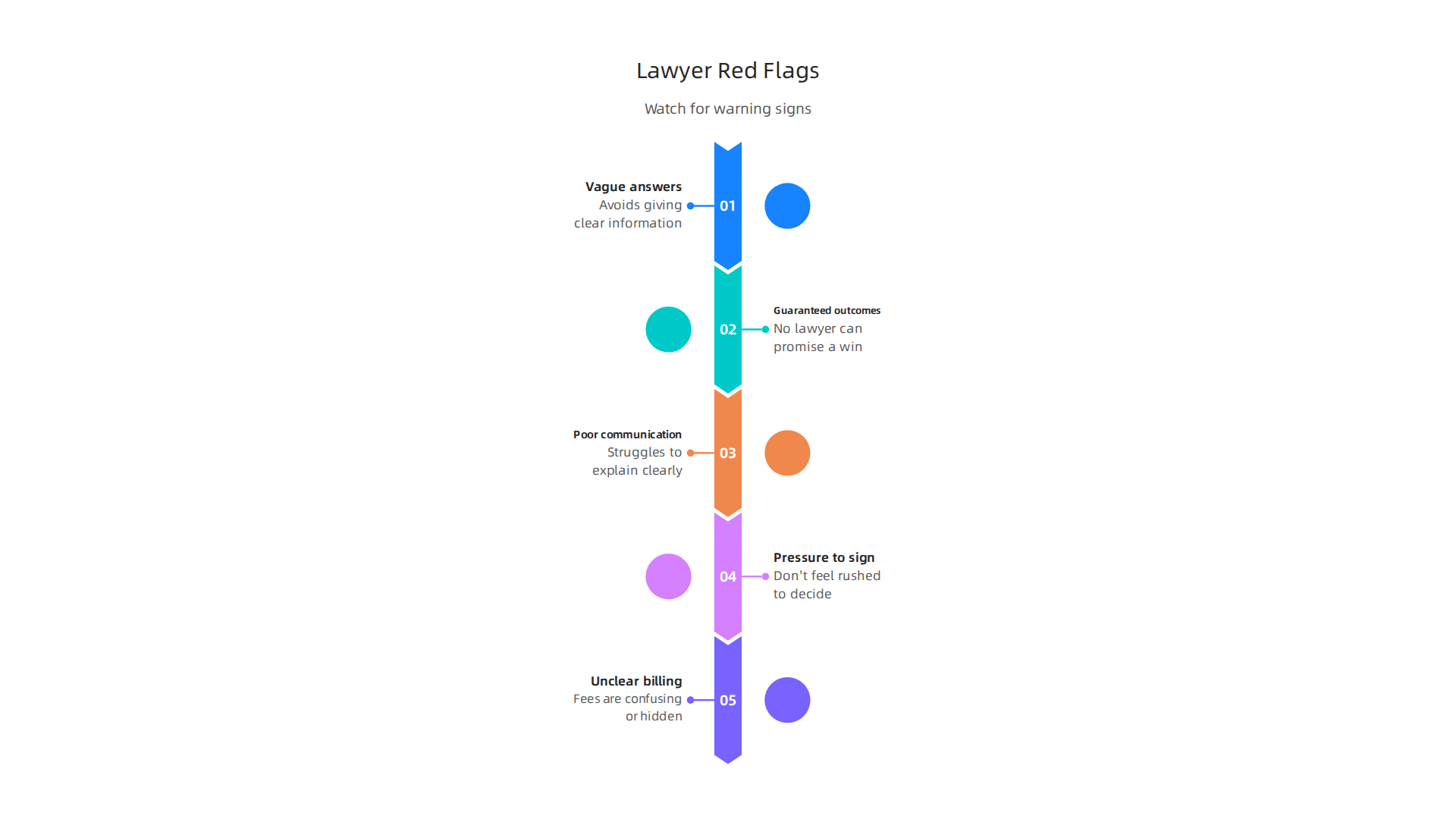
Here are some warning signs:
- Vague answers: If a lawyer avoids giving clear answers about their experience or how they handle cases, that’s a red flag.
- Guaranteed outcomes: No lawyer can promise you will win. If they do, be very careful. Legal cases are never a sure thing.
- Poor communication: A good lawyer should make you feel comfortable and explain things in a way you can understand. If they struggle with this, it might be a problem later. An attorney’s ability to communicate well is a vital reason to hire them, as noted in Wage Garnishment Attorney: 5 Reasons to Hire a Skilled Professional.
- Pressure to sign quickly: Don’t feel rushed to make a decision. A good lawyer will give you time to think.
- Unclear billing: If the lawyer’s fees are confusing or they can’t clearly explain how you will be charged, this is a major concern.
To help you prepare even more for these conversations, you might want to learn how to maximize your free legal consultation for businesses what to expect ask.
Understanding Fee Structures
Lawyers charge for their work in different ways. It is very important to understand these before you hire anyone.
- Hourly fee: This is when you pay the lawyer for every hour they work on your case. Make sure you know their hourly rate and ask for an estimate of total hours. This is common for many types of cases, including when you’re working with an
employment lawyer nyc. - Flat fee: For some simpler cases, a lawyer might charge one set price for the whole job. This gives you a clear idea of the total cost upfront.
- Contingency fee: In this setup, the lawyer only gets paid if they win your case or get you a settlement. Their payment is usually a percentage of the money you receive. This is less common for wage garnishment defense, but sometimes used in related civil cases.
- Hybrid fee: This is a mix of two or more fee types. For example, a lower hourly rate plus a smaller percentage of any money won.
Always ask for a written agreement that clearly states how you will be charged and what services are included. This helps avoid surprises later. For complex situations, you may need a skilled business attorney philadelphia who can clearly outline all fee structures.
Sample interview script and engagement checklist
After understanding how lawyers charge, the next step is to use that knowledge. This section gives you simple questions to ask during your talk with a lawyer. It also shares a checklist to help you make sure your agreement covers everything important.
Simple Questions for Your Wage Garnishment Lawyer
When you talk to a potential wage garnishment lawyer, keep it clear and to the point. Here are some questions you can ask:
- "How many wage garnishment cases like mine have you helped with?"
- "What do you think are the best ways to stop or lower my wage garnishment?"
- "Can you tell me about a time you helped someone with a similar situation? What was the outcome?"
- "How often do you go to court for these types of cases? Or do you mostly try to work things out before court?"
- "How will you keep me updated on my case? How often can I expect to hear from you?"
- "What are the possible costs for my case, from start to finish? Can you give me an estimate?"
- "What are the federal and state limits on how much of my wages can be garnished in 2026?" (Knowing your state’s laws is key, as rules can vary, according to Your Guide to Wage Garnishment Laws by State for 2026).
Remember, you want clear answers. If a lawyer talks in circles, it might be a sign they are not the best fit.
Engagement Checklist for Your Agreement
Once you decide on a wage garnishment lawyer, make sure your written agreement, sometimes called a retainer agreement, includes these important points:
- Clear fees: Is the fee structure (hourly, flat, hybrid) clearly written down? What is the exact rate or total cost?
- What’s included: Does it say exactly what services the lawyer will provide? For example, will they negotiate with your creditors, file papers in court, or represent you if your case involves more complex issues, perhaps like a civil litigation attorney chicago would handle?
- What’s NOT included: Are there any extra costs you should know about, like court filing fees or fees for copies?
- Communication plan: How and when will the lawyer update you? Will it be by phone, email, or in-person meetings?
- Who will work on your case: Will it be the lawyer you spoke with, or will others in the firm help too?
- How to end the agreement: What happens if you or the lawyer need to stop working together?
This checklist helps you and your lawyer have a clear understanding from the start. Taking the time to go through these details can save you trouble later. For those in legal professions, keeping up with changes in the field is always a good idea.
Get clear daily AI updates from The AI Newsletter Worth Reading.
Civil litigation strategy: when to negotiate, when to sue, and hybrid approaches
Once you have chosen a wage garnishment lawyer and made a clear agreement, the next big step is to decide on the best way to handle your case. This is called your civil litigation strategy. It means making smart choices about when to talk things out (negotiate), when to take the fight to court (sue), or when to use a mix of both.
When to Negotiate Versus When to Sue
Your lawyer will help you think about a few important things to pick the right path:
- Your Goals: Do you want to stop the wage garnishment as fast as possible? Do you want to pay less money, even if it takes a bit longer? Or do you want to avoid a public court case? If speed and privacy are key, negotiating often works best.
- Costs: Going to court can be very expensive. Lawyers’ fees, court fees, and other costs add up. Often, settling a case outside of court can save you a lot of money.
- Time: Full court cases can take a long time, sometimes many months or even years. If you need a quick fix for your wage garnishment, a negotiation might be faster.
- The Other Side: Sometimes, the person or company trying to garnish your wages is willing to talk and find a middle ground. Other times, they might not budge. If they are completely unwilling to negotiate fairly, going to court might be your only choice.
Sometimes, the legal process of garnishment itself has many steps and timelines that can be challenged. For example, after a court orders a judgment, the creditor still has steps to take before your wages are actually taken, as outlined in An Overview of Garnishment. Your lawyer might find ways to slow down or stop the process during these steps.
Using Both Approaches: Hybrid Strategies
Often, a wage garnishment lawyer will use a mix of talking and legal action. This is called a hybrid strategy. Here are some ways this might work:
- Filing Counterclaims: Let’s say a company says you owe them money, but you believe they actually owe you money or broke a rule. Your lawyer might file a counterclaim in court. This means you are suing them back, which can make them more willing to negotiate.
- Defense Motions: Your lawyer can ask the court to stop or change the garnishment for different legal reasons. For instance, they might argue that the debt is too old, or that the rules for garnishment were not followed correctly. Federal law also protects a part of your wages from being garnished, as explained in the Fact Sheet #30: Wage Garnishment Protections of the …. Your lawyer can use these protections to defend your income.
- Injunctive Relief: In some urgent cases, your lawyer can ask the court for a special order called an injunction. This is a fast way to get a court to stop the wage garnishment right away, often while you work out the bigger problem. This helps protect your income quickly.
Connecting Garnishment Defense to Your Bigger Picture
Your wage garnishment case is often part of your larger financial situation. A good wage garnishment lawyer will look at everything. This means they will think about how your garnishment defense fits into your other legal or financial challenges. For example, if your wage issues come from problems at work, you might also need an Employment Attorney 2026 to help. Or, if the debt is tied to a bigger problem with your business, a business attorney could be part of your overall strategy. It’s all about making sure all parts of your legal plan work together to get you the best result.
When your wage garnishment lawyer has helped you decide on a plan, the next step is getting ready for court and handling the garnishment process itself. This means gathering important papers, knowing the key dates, and staying in close touch with your lawyer.
Essential Evidence and Documents
To fight a wage garnishment, your lawyer will need specific information and papers from you. These help them show why your wages should not be taken, or why less should be taken. Think of these as your proof.
Here are some common things your lawyer might ask for:
- Garnishment Notices: Any official letters or forms you got about the garnishment. These are very important because they tell you who is trying to take your wages and why.
- Pay Stubs: Recent pay stubs show how much you earn and what deductions are already taken out. This helps your lawyer figure out how much of your pay is protected by law.
- Bank Statements: These can show your regular income and necessary expenses.
- Proof of Expenses: Bills for rent, food, healthcare, and other needs can show the court that you need most of your income to live.
- Court Papers: Any documents from previous court cases about the debt.
Your lawyer will use these to fill out forms like the "Claim for Exemption" or the "Garnishee’s Answer." These forms are crucial for telling the court why your wages should be protected, as explained in the Garnishment Proceedings Instructions. You might also need copies of forms like the Earnings Garnishment Notice or Exemption Notice, as used by some courts, which are important parts of your defense toolkit.
Important Dates and What to Expect
The wage garnishment process has many steps, and each step has its own time limit. Missing a deadline can make it harder to protect your wages. Your wage garnishment lawyer will guide you through these key moments:
- Receiving Notice: You or your employer will get official notice that someone is trying to garnish your wages. Employers usually must tell you right away about these orders.
- Responding: After getting a notice, there’s a short window to respond. For example, a garnishee (your employer or bank) might have about 14 to 20 days to send their answer to the court after getting the garnishment papers. A garnishee summons must also be filed within 45 days of being issued, or it might not be accepted at all, according to the Checklist for Applicants – Garnishment, Attachment and ….
- Hearings: If you challenge the garnishment, the court might set a hearing. This is your chance to show the judge your evidence.
- Enforcement: This is when money is actually taken from your pay. But remember, the garnishment doesn’t become binding right away. For example, it can take 15 days after the court gets the request for the garnishment to truly start, according to Canadian guidelines for processing garnishments.
- Stopping the Garnishment: Once the debt is paid, the person who garnished your wages must tell the court to stop the garnishment.
Staying organized and keeping track of these timelines is very important. Your lawyer will often have a Wage Garnishment Checklist to make sure nothing is missed.
Managing Expectations and Protecting Your Income
It’s normal to feel worried when your wages are at risk. Your lawyer’s job is to keep you informed and help you understand what’s happening.
- Clear Communication: Your lawyer should explain each step in simple terms. They should tell you what might happen, how long it could take, and any costs involved. They should also give you regular updates.
- Protecting Your Income: While the legal process moves forward, your lawyer will work to protect as much of your income as possible. Federal and state laws protect a certain amount of your wages from being garnished. For example, laws typically protect the greater of 75% of your disposable earnings or 30 times the federal minimum wage, as explained in the Modern Wage Garnishment in 2026. Your lawyer will help you claim these protections.
- Financial Planning: They might also help you think about your money situation as a whole. Sometimes, dealing with a wage garnishment can lead to looking into other financial options or legal help.
Staying informed about the legal landscape and how new tools can help your situation is key. Many legal professionals keep up with important changes, like those in legal technology, to better serve their clients. You can also explore how legal education is changing to prepare for the future of law with technological skills.
Make sure to ask your lawyer any questions you have. Open communication helps both you and your legal team work together smoothly to get the best possible outcome.
Staying up-to-date with legal trends and how technology is shaping the legal field is crucial for both legal professionals and those navigating legal challenges. Get clear daily AI updates that are worth reading by subscribing to The AI Newsletter Worth Reading.
Summary
This article explains how wage garnishment works, why it threatens your take-home pay, and what you can do to protect your income. It describes the main types of collection—wage garnishment, bank levies, tax levies, and other property attachments—along with common triggers like court judgments, unpaid taxes, child support, and student loans. You will learn about federal protections and how state rules can add stronger exemptions, plus the local court steps and deadlines that matter. The guide then shows a step-by-step plan to find and vet a wage garnishment lawyer, including where to search, how to check credentials, what to ask in interviews, fee options, and red flags to avoid. Finally, it covers practical litigation strategies, the documents your lawyer will need, and how to manage expectations so you can act quickly to protect as much of your income as possible.