
Evaluate Law Firms: Your Guide to Authoritative Profiles and Research

Why authoritative firm profiles and research resources matter for legal teams
In today’s fast-paced legal world, making smart choices is key. Legal teams, from solo practitioners to large companies, often need to pick the right partners, vendors, or even understand what competitors are doing. This means looking at law firms and legal services very carefully. But how do you make sure you pick the best fit for your needs? It all comes down to reliable information.
Decision-makers need solid facts.

They can’t just guess or rely on quick searches. Instead, they need to dig into authoritative firm profiles and primary sources. These are like detailed reports that tell you all about a law firm, its history, what kind of cases it handles, and where it has offices. For example, if you were looking into a major player like the Littler Mendelson law firm, you’d want to see their full profile to understand their specialty in labor and employment law. This kind of deep dive helps you do your due diligence, which means checking everything thoroughly before you make a decision.
This guide is here to help you navigate this important task. We will show you the different kinds of firm profiles and research tools available in 2026. You’ll learn how to use these resources to pick the best legal talent and services, whether you are looking for specific lawyers or exploring broader legal platforms like Westlaw Practical Law. Our goal is to make sure you have a clear way to evaluate potential partners and make informed choices for your legal team. For more on evaluating legal professionals, check out our guide on how to identify the best lawyers in 2026.
Are you keen to stay updated on the latest shifts and tools in the legal tech world, including advancements in AI?
Get clear daily AI updates from The AI Newsletter Worth Reading.
What belongs in a reliable law-firm profile
Finding the right legal help starts with checking out their profile. A good law firm profile is like a report card that gives you all the important facts in one place. It helps legal teams, and anyone looking for a lawyer, make smart choices. It shows you the firm’s history, where it works, and what it’s good at.
Here are the key parts that make up a trustworthy law firm profile:
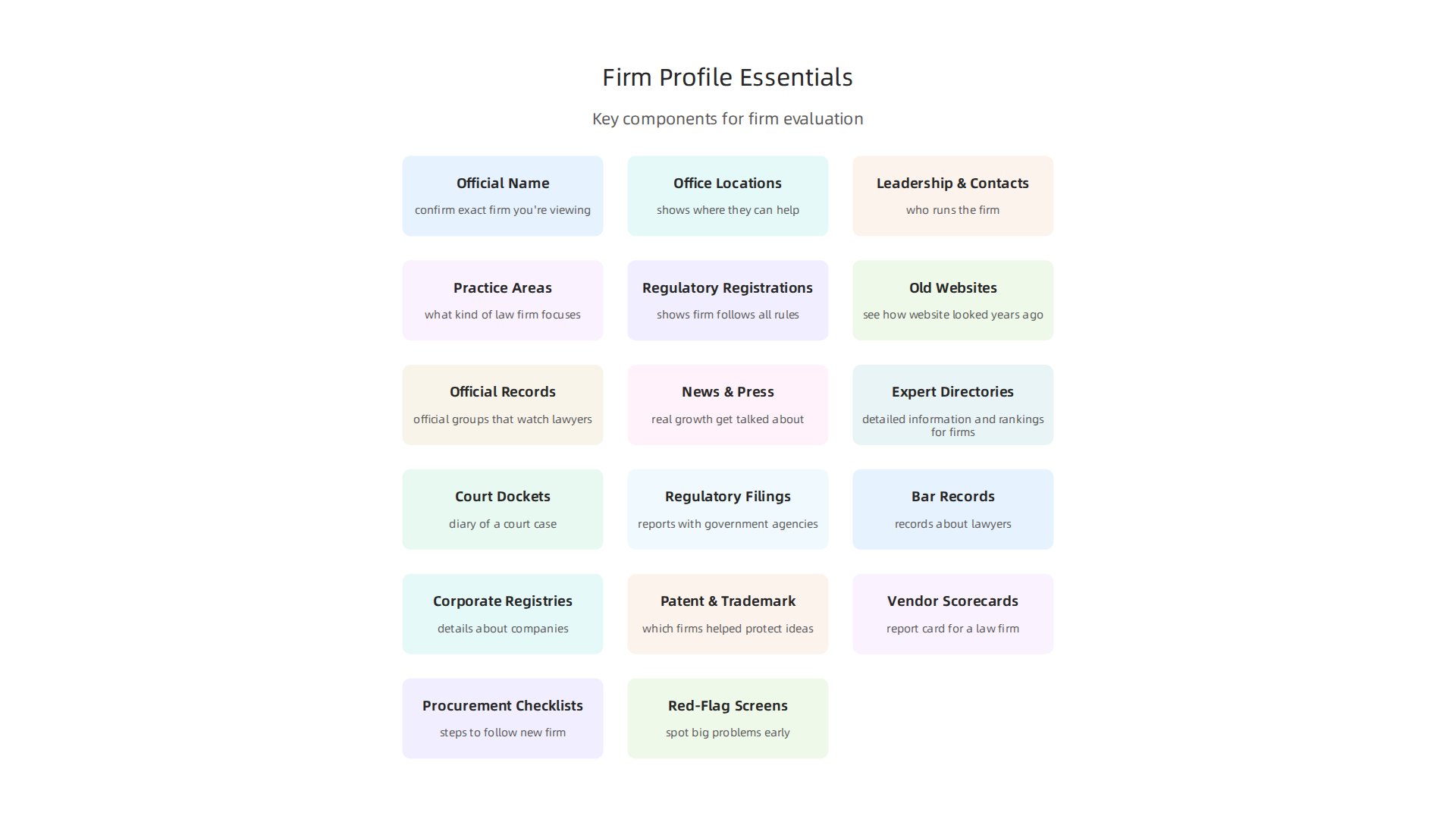
- Official Name and Headquarters: This might seem simple, but knowing the exact name, like Littler Mendelson P.C., helps you confirm you’re looking at the right firm. The headquarters tells you where the main office is, for example, Littler Mendelson’s main office is in San Francisco, California. This is important for understanding their roots and main base of operations.
- Office Locations: A reliable profile will list all the firm’s offices. This is important for knowing if they can help you where you need them. For example, a global firm like the littler law firm has many offices, not just in the US but also in places like the UK and Switzerland. Knowing they have locations in Cleveland or Dallas helps you understand their reach. Even a firm like Lois Law Firm LLC or Akerman Law will list its various offices. This detail helps with planning and ensures they can handle cases in different areas.
- Leadership and Key Contacts: You’ll want to know who runs the firm and who the main lawyers are. This includes partners and managing shareholders. Knowing the leadership helps you see the firm’s experience and who is guiding its work.
- Practice Areas: This section tells you what kind of law the firm focuses on. For instance, the littler law firm is known for its work in labor and employment law. Other firms might specialize in business law, family law, or even specific areas like intellectual property. Understanding their main practice areas is very important to make sure they match your needs. If you’re looking for an attorney to help with a specific business dispute, you’ll want to see if the firm lists that as a core area.
- Regulatory Registrations: This part shows that the firm follows all the rules set by legal authorities. For example, in the UK, a law firm must be registered with the Solicitors Regulation Authority. Checking these registrations ensures the firm is legitimate and holds the right licenses. This helps reduce risk and confirms they meet all the required standards, which is very important for compliance.
When you look at a firm profile, whether it’s for a big firm or a smaller one, these details help you make an informed decision. They are crucial for things like checking if they follow rules, understanding any risks, and making good choices when you need legal services. These details also help you compare different options, such as using resources like Westlaw Practical Law to research firms or even find out more about groups like the California Lawyers Association. Getting these facts right from the start helps you avoid problems later on. For more insights on how legal organizations are adapting to technological changes, consider exploring how Boston law firms navigate legal tech, talent, and client expectations.
When checking a law firm’s profile, it’s not enough to just read what they say. You also need to make sure their claims about history and growth are true. This is especially important in 2026, as information spreads quickly, and checking facts is key. Verifying a firm’s journey helps you trust them more and ensures they are who they say they are.

Here are ways to check a law firm’s claims:
- Look at Old Websites: Websites like the "Wayback Machine" keep old versions of web pages. You can use these to see how a firm’s website looked years ago. This helps you check if their stated history, like when they started or when they opened certain offices, matches what they posted in the past. It’s a great way to see how a firm like the littler law firm has changed over time.
- Check Official Records: Legal firms, whether a big one like the littler law firm or a smaller one like Lois Law Firm LLC or Akerman Law, must follow rules. You can often check with official groups that watch over lawyers. For example, in the UK, you can look up a firm’s details on the Solicitors Regulation Authority website to see their official registration. For firms that work in different countries, like Littler Switzerland AG, you might check business registries in those countries, such as Moneyhouse in Zürich. These records confirm if a firm is properly licensed and active.
- Find News and Press Releases: Real growth and changes in a law firm often get talked about in the news. Look for old press releases or articles about the firm. If a firm says they grew a lot, there should be news stories about it. You can also check trusted legal sources or even the firm’s Wikipedia page, like the one for Littler Mendelson, for reliable historical details.
- Consult Expert Directories: Websites like Chambers Profiles or Westlaw Practical Law often provide detailed information and rankings for law firms. These sources usually check facts carefully and can help you confirm a firm’s areas of focus and how long they’ve been doing business. Learning how to properly use these tools can be very helpful for mastering practical law for modern legal teams.
Watch out for these warning signs:
If a law firm’s story of growth and success sounds too good to be true, and you can’t find any proof from other places, that’s a red flag. For example, if a firm claims a long history but has no old news articles or archived websites, it might be a sign to dig deeper. If their claims about growth don’t match up with public records or official mentions, it means they might not be fully honest. You want to make sure the firm’s story is backed by facts, not just words. This helps you compare law firm profiles to make smarter choices.
Staying updated on changes in the legal world, especially with technology, can help you better evaluate firms.
Get clear daily AI updates from The AI Newsletter Worth Reading.
After looking at a law firm’s history to see if their story is true, the next big step is to understand what kind of legal work they actually do, how big they are, and where they operate. This helps you find a firm that fits your specific needs in 2026.
Practice areas, footprint, and operational scale (what to extract and tabulate)
First, let’s talk about practice areas. These are the types of law a firm specializes in. For example, some firms, like the littler law firm, might focus heavily on labor and employment law, helping businesses with rules about employees. Other firms, such as Lois Law Firm LLC or Akerman Law, might be known for commercial litigation, which means they help solve big business disagreements in court.
It’s important to pick a firm whose practice areas match what you need. If you need help with a contract dispute, you wouldn’t pick a firm that only does family law. You want a firm that knows your specific type of problem well. Law firm rankings often tell you which firms are strong in different areas, using methods that look at client feedback and peer reviews to decide who is best at what type of law.
You can find more details on how these groups rank firms by looking at their Expanded Methodology.
Next, we look at a firm’s operational scale and footprint. This means how big the firm is and where its offices are. These details show if a firm can handle your needs, especially if your legal issues cross different towns, states, or even countries.

Here are some things to check:
- Office Locations: Where are their offices? A firm with many offices, like the littler law firm, might be better for businesses that operate in different states or even globally. For instance, if you need legal help in Switzerland, you’d want to know if they have an office there, such as Littler Switzerland AG, or if they just say they can handle international cases from one main office.
- Local Regulatory Presence: This means if a firm is properly registered and allowed to practice law in all the places it claims to work. This is super important because legal rules can be very different from one place to another. A firm should have lawyers who are experts in the specific rules of the area where you need help. For example, if you’re in California, you’d want lawyers familiar with the California Lawyers Association and its local rules.
- Attorney Headcount: How many lawyers work there? A larger number of lawyers can mean the firm has more resources, more specialized teams, and can handle bigger or more complex cases. However, a smaller firm might offer more personal attention.
Understanding these points helps you make a smart choice. You’re making sure the firm not only has the right skills for your legal problem but also the right size and reach to help you exactly where you need it. This can make a big difference in how your legal case goes. Learn more about how to manage complex legal needs by understanding BK Lawyers multi-jurisdictional law firm strategy and operations.
Knowing a firm’s true scale and expertise helps you pick the right partner for your legal journey. To stay updated on how technology changes the legal world, consider subscribing to The AI Newsletter Worth Reading.
Beyond knowing what a law firm does and how big it is, it’s also key to look at who runs the show, how decisions are made, and what the firm’s true values are. This means diving into their leadership, governance, and culture. These inner workings tell you a lot about how trustworthy and reliable a firm really is, and how they treat their clients and their own people.
Leadership and Governance Disclosures to Prioritize
When you’re checking out a firm, start by looking at their leaders. You’ll want to review their biographies. These bios should show you the experience, special skills, and background of the top lawyers. This helps you see if their leaders have the right knowledge and a good track record. Next, consider how the firm is run. This is called its governance structure. It shows how big decisions are made, who holds the power, and how lawyers are paid. For example, some firms might have many partners who all have a say, while others might have a smaller management team. This structure can really affect how the firm operates. Research shows that governance structures in large law firms often define how decisions are made about things like compensation and promotions. Understanding how leaders guide their firms is key to picking the best team for your needs. You can learn more about how to identify the best lawyers in 2026.
In 2026, a big part of governance for law firms includes how they handle new tools like Artificial Intelligence, or AI. It’s important to know if a firm has clear rules for using AI, especially when it comes to client work. Reports show that not all firms have strong AI governance in place. For instance, many still don’t have a written rule for lawyers to check AI-generated work before it goes to a client, according to The Legal AI Supervision Gap Report 2026. This is an important detail for managing risks and ensuring good quality.
Culture Indicators for Vendor Risk Assessments
Beyond structure, a firm’s culture tells you a lot about its values. This is important for checking if they are a good fit as a vendor. Look for things like:
- Awards and Recognitions: Do they win awards for being a great place to work, or for their diversity efforts? These can show a positive internal environment.
- Diversity and Inclusion: Does the firm share details about how diverse its team is? A diverse firm often brings many different ideas and perspectives to solve problems.
- Public Statements: What does the firm say about its mission, values, and how it treats its employees and clients? These statements can be found on their website or in news articles. For example, firms like Lois Law Firm LLC or Akerman Law might highlight their commitment to certain values in their public profiles.
All these factors from leadership to firm culture help you truly understand a law firm and decide if they are the right partner for you.
After you understand what’s inside a law firm, like its leaders and how it’s run, it’s time to look at what others say about it. This means checking its reputation, how it ranks compared to other firms, and any big cases it has handled. These outside signals are very important for picking a trusted legal partner.
How to Understand Law Firm Reputation
Finding a law firm’s reputation means looking at a few different things. You can’t just rely on one source. You need to gather clues from different places and put them together.
Looking at Law Firm Rankings
Many groups rank law firms based on how good they are in certain areas of law. Think of lists like "Best Law Firms" or rankings from groups like Chambers and Legal 500. These rankings can be a good starting point. They often get their information from client surveys, talks with other lawyers (peer reviews), and details the firms themselves provide. For example, the "Best Law Firms" rankings use client and professional feedback, plus firm data, to decide who makes the list in 2026, as explained in their Expanded Methodology. Another group, Chambers, decides its rankings by looking at what firms submit, feedback from clients, and market talks, as they detail in How law firm rankings are decided.
However, remember that these rankings are just one piece of the puzzle. A firm like littler law firm might be highly ranked in one area, but you still need to check if they are the best fit for your exact needs. It’s good to also understand why the Am Law 200 ranking matters for your law firm’s growth if you’re looking at larger firms.
Peer Reviews and Awards
What other lawyers say about a firm or its lawyers matters a lot. Peer reviews are when lawyers review their fellow lawyers. This can show how respected a firm is within the legal world. Awards for good work or for being a great place to work also tell you something. For example, if lois law firm llc or akerman law wins an award for client service, it shows they are doing something right.
Finding Notable Cases and Public Records
To truly understand a law firm’s experience, you should look at the cases they’ve handled. This is where publicly available court records come in. You can search for cases a firm or lawyer has been involved in. This helps you see their track record. Websites like the Public Access to Court Electronic Records (PACER) system or other online databases let you find these records. You can check federal court dockets and filings, which are records of cases, to see what kind of work a firm has done. Services like CourtLink by LexisNexis also help legal professionals find Court Docket Search and Alerts. Even state bar associations, like the california lawyers association, often provide ways to check public records and information about lawyers. This can help you see if they have handled cases similar to yours.
You can learn more about how to find this information by exploring guides on Dockets and Court Filings – Legal Research. Keeping up with the latest in legal research and technology can also help you find this information faster. If you want to stay informed about how AI and technology are changing legal research, consider subscribing to The AI Newsletter Worth Reading.
When checking out firms, combine what rankings say, what other lawyers think, and what their past cases show. This helps you get a complete picture and decide if a firm is the right match for your legal needs.
When you want to know about a law firm, looking at their past cases is a smart move. But how do you actually find that information? It means going straight to the main sources of legal facts. We call these "primary legal sources." Using these sources helps you build an "evidence-first workflow," meaning you gather all the real facts before making big choices.
Primary Legal Sources and Research Tools: Building an Evidence-First Workflow
To really understand a law firm’s work, you need to check the direct records. These records show exactly what happened in legal matters. They are the strongest kind of proof.
Key Primary Sources to Look At
Here are the main places you can find legal facts:
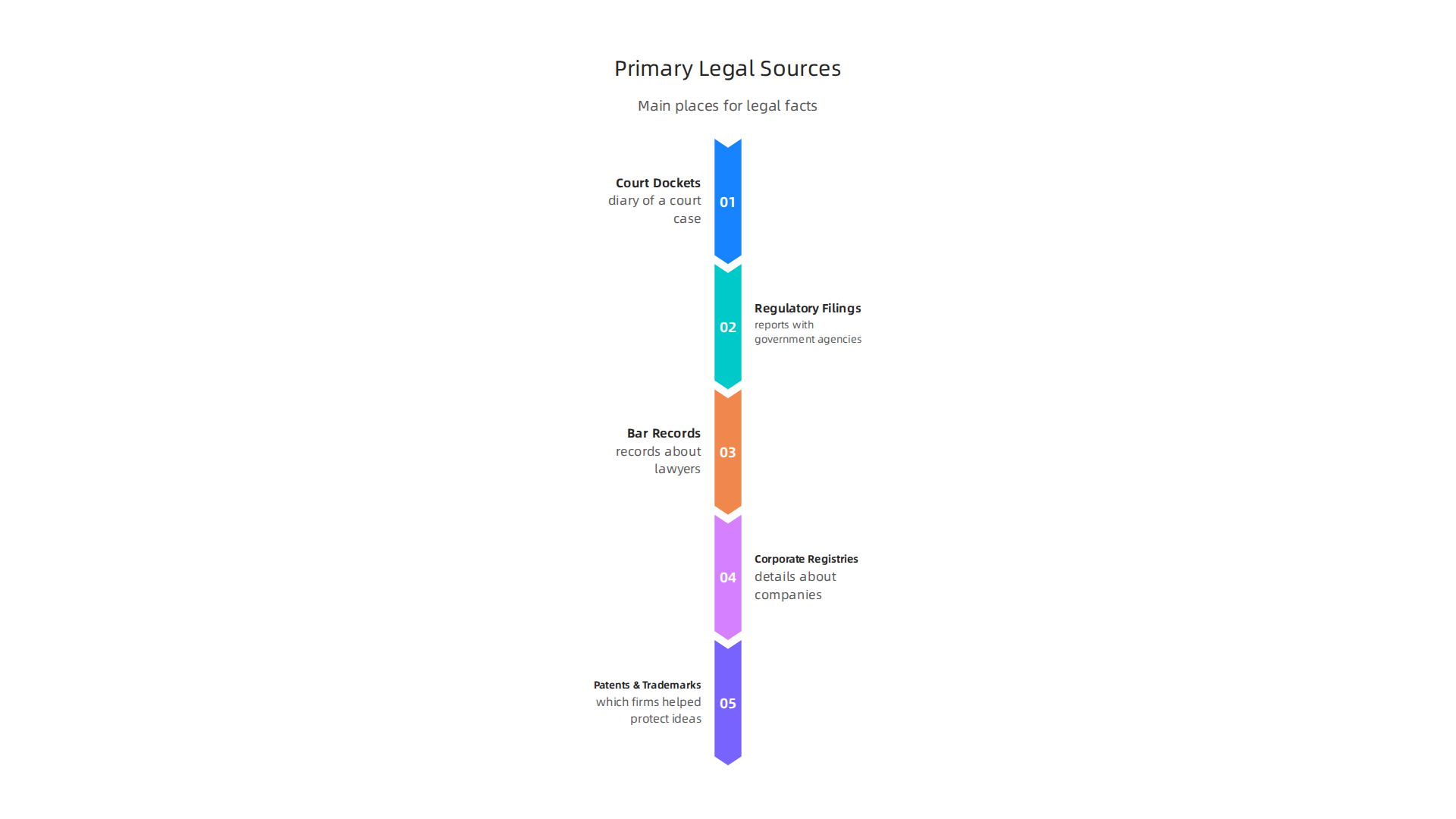
- Court Dockets and Filings: These are like a diary of a court case. They show every step, from when a case starts to when it ends. You can see who filed what, when hearings were, and what the court decided. This helps you understand what firms like
littler law firmorakerman lawhave done in federal courts. You can often find these through systems like PACER for federal cases, which provides access to federal court documents and dockets, as explained in guides on Federal Court Dockets and Filings. For state cases, you might look at guides on State Court Dockets, Records, Case through subscription services. - Regulatory Filings: Some businesses, especially big ones, have to file reports with government agencies. These filings show how a firm works with rules and laws in special areas.
- Bar Records: Every lawyer belongs to a "bar association" in their state. These groups keep records about lawyers, including if they are properly licensed or if there have been any complaints. For example, the
california lawyers associationhas public records about its members that you can search, as shown by The State Bar of California. You can also look at the National Lawyer Regulatory Data Bank for national information. This can tell you about a lawyer fromlois law firm llc. - Corporate Registries: These records show details about companies, like who owns them or where they are located. This is useful if you need to know about a firm’s business structure.
- Patent and Trademark Records: If a firm works with new inventions or brand names, you can look at patent and trademark offices. These records show which firms helped people or companies protect their ideas.
A Step-by-Step Workflow for Finding Evidence
Using these sources might seem tricky, but a simple plan can help:
- Know What You’re Looking For: Before you start, write down the exact questions you need answers to. Are you checking a lawyer’s license? Looking for past cases similar to yours?
- Pick the Right Tools: Once you know your questions, choose the best places to find answers. For court cases, you’ll go to court websites or legal databases. For lawyer checks, you’ll visit state bar websites. Tools like
westlaw practical lawcan also help you find detailed legal information quickly. To make the most of these, you might want to learn how to Master Legal Research Databases in 2026. - Gather and Check: Collect the information you find. Always double-check that the details are correct and up-to-date.
- Put It All Together: Once you have your facts, combine them. This gives you a clear picture and helps you make a good decision about a law firm. If you’re looking to hire for specific issues, this evidence-first approach helps you Identify and Hire Top Lawyers for Business Disputes in 2026 more effectively.
After you find all that evidence, the next step is to put it to good use. Think of it like this: you’ve gathered all the pieces for a puzzle, and now you need a guide to put them together. For evaluating law firms, this means using practical tools like vendor scorecards, procurement checklists, and quick red-flag screens. These templates help you check a law firm’s standing, how well they work, and any possible risks. This is super important when you’re choosing a new firm or just making sure your current legal helpers, like a specific lawyer from lois law firm llc, are still the best fit.
Practical Templates: Vendor Scorecards, Procurement Checklists, and Red-Flag Screens
One really helpful tool is a vendor scorecard. This is like a report card for a law firm.
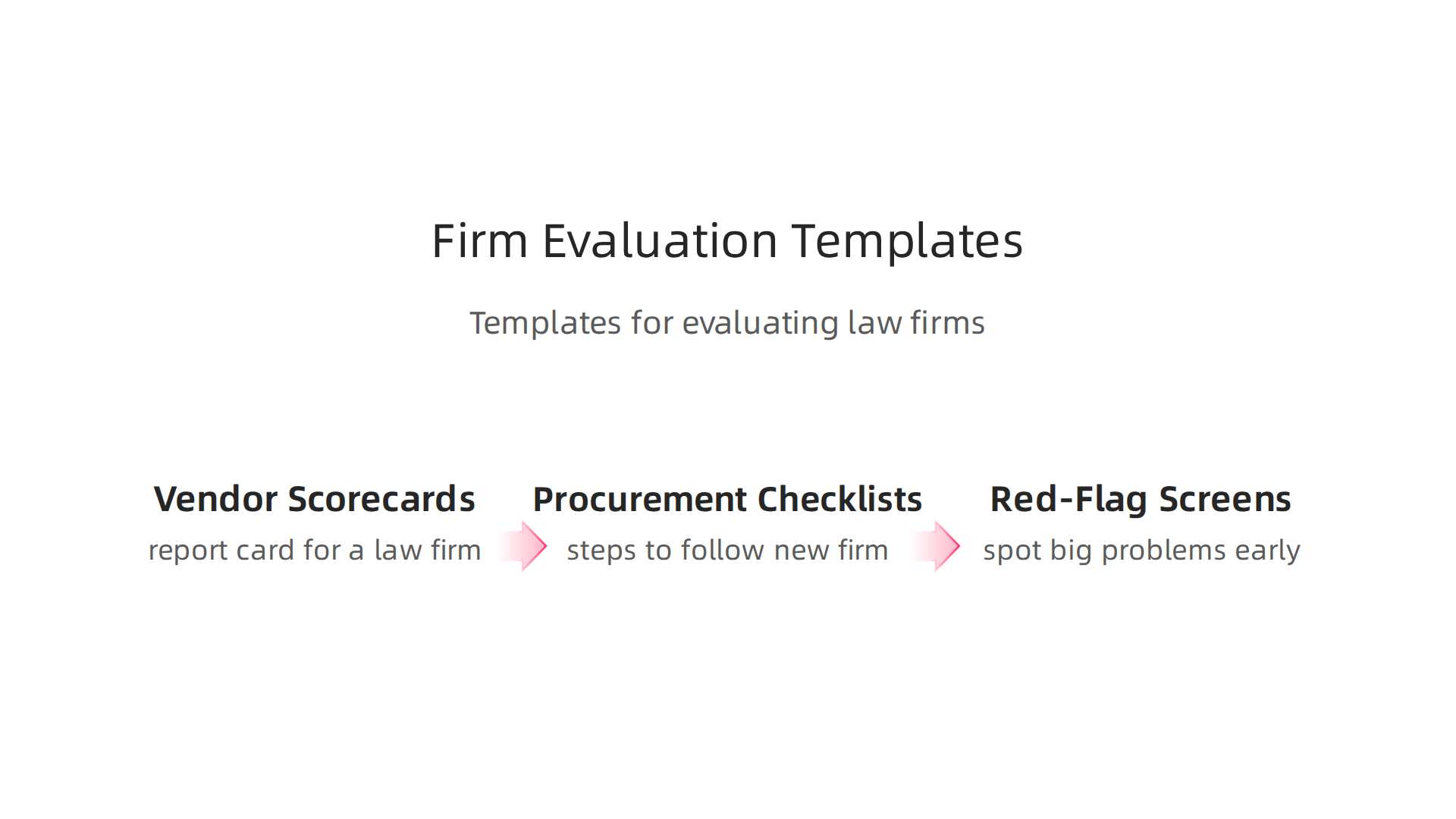
You list the things that are most important to you, such as how often they win cases, how they manage costs, or how quickly they respond. Then, you give each firm a score in these important areas. This helps you easily compare different firms. For example, if you are looking at a big firm like littler law firm or akerman law, you can use a scorecard to see how well they match your needs. Experts say that these scorecards should include both clear facts and how well a firm understands what you are trying to achieve Making your scorecard: How to evaluate outside counsel. This structured way of looking at firms helps legal teams check how well outside legal help is performing, moving beyond just personal feelings to a more organized view, as highlighted in guides on Law Firm Scorecarding Explained. Using these scorecards helps you pick the best team for your needs.
Next, we have procurement checklists. These are simple lists of all the steps you need to follow when you are bringing on a new law firm. Did you check if their lawyers are licensed with the california lawyers association? Did you review their past legal work? A checklist makes sure you do not forget any important steps. It helps bring all your plans for managing outside legal help into one clear process. You also need quick red-flag screens. These are like fast checks to spot big problems early. For example, if a firm has many complaints or a bad track record, that would be a red flag. These screens help you catch serious issues right away, so you do not waste time. To ensure you’re making the best choices, learn how to select attorneys on retainer for your 2026 legal needs.
Integrating Profile Findings into Approvals and Monitoring
Using these tools is not just for picking a firm the first time. You can also use them to keep an eye on firms over time. After you choose a firm, you will want to see how they are doing on an ongoing basis. Are they sticking to the budget? Are they reaching their goals? This "ongoing monitoring" helps you make sure the firm, whether it is a large one using advanced tools like westlaw practical law for its research or a smaller practice, continues to meet your needs. If anything changes, your scorecards and checklists can help you notice it quickly. This constant check helps you manage your legal support better and reduce risks. Legal operations management has grown into its own field, using special tools and key numbers to track how well firms perform, especially those you work with often. For a deeper dive into evaluating legal talent, check out Identify the Best Lawyers in 2026: Your Practical Framework.
Staying on top of the latest changes in legal tech can also help you make smart choices.
Get clear daily AI updates from The AI Newsletter Worth Reading.
Summary
This article explains why authoritative law‑firm profiles and primary research matter for legal teams making vendor, hiring, or partner decisions in 2026. It outlines the core elements of a trustworthy profile — name, offices, leadership, practice areas, regulatory registrations — and shows practical ways to verify claims using archived websites, official registries, press records, and expert directories. The guide then walks through assessing a firm’s operational footprint, governance and culture signals, and reputation via rankings, peer reviews, and court dockets. It describes an evidence‑first research workflow using primary sources (dockets, bar records, corporate registries) and recommends concrete tools: vendor scorecards, procurement checklists, and red‑flag screens for selection and ongoing monitoring. Readers will learn where to look, how to validate facts, which red flags to watch for, and how to convert findings into repeatable procurement and oversight processes. The result is a practical approach to pick, compare, and keep better law‑firm partners with less risk.