
Maximize Your Free Legal Consultation for Businesses: What to Expect & Ask

Why free legal consultations matter for businesses — what to expect
Running a business in 2026 often means facing many legal questions. From setting up your company to handling daily tasks, understanding the law is key. But knowing when and how to get legal help can be tricky. This is where a free legal consultation becomes very useful. It is a first meeting with a lawyer to talk about your business’s legal needs without any charge for that first discussion.
Think of a free consultation business lawyer as your first step to legal peace of mind. During this initial chat, you can explain your business problem or question. The lawyer listens and offers their first thoughts on your situation. Many law firms offer these first talks for free to help you understand your options, as explained in a helpful video about Free Consultations From Business Attorneys. These meetings can happen in a few ways: a quick phone call, a video chat online, or even in person at the lawyer’s office. It’s important to remember, though, that not all lawyers offer free consultations, as some firms now charge fees for these first meetings Ethics of Charging Initial Consultation Fees for Law Firms. Always ask about fees upfront.
These free chats are a smart move for any business. They can save you a lot of time and money in the long run. For example, a civil lawyer free consultation can help you spot legal risks early, before they turn into big, expensive problems. This is especially helpful because many small business owners often wish they had more legal support Two-Thirds of California Small Business Owners Want a…. Even if you are dealing with a tough disagreement and might need a litigation attorney for court, a first free talk can give you a clearer idea of what to expect and what your choices are.
Getting clear information from a business lawyer early helps you make smart choices for your company’s future. To keep up with all the new ideas and tools helping lawyers and businesses today, you might find The AI Newsletter Worth Reading very useful.
How free consultations work: formats, scope, and limitations
So, you now know that a free consultation business lawyer can be a big help. Let’s talk about what actually happens during these meetings. They come in different forms, but the main goal is always the same: for you and the lawyer to see if they can help with your problem.
Most times, a free consultation is a short talk. It might be a quick phone call, a video chat, or sometimes a visit to the lawyer’s office.

These meetings usually last about 15 to 30 minutes. Think of it as a first "hello." During this time, the lawyer will listen to your story. You’ll explain your business’s legal issue, whether it’s about a contract, a dispute, or setting up a new part of your company.
What does the lawyer do during this time?
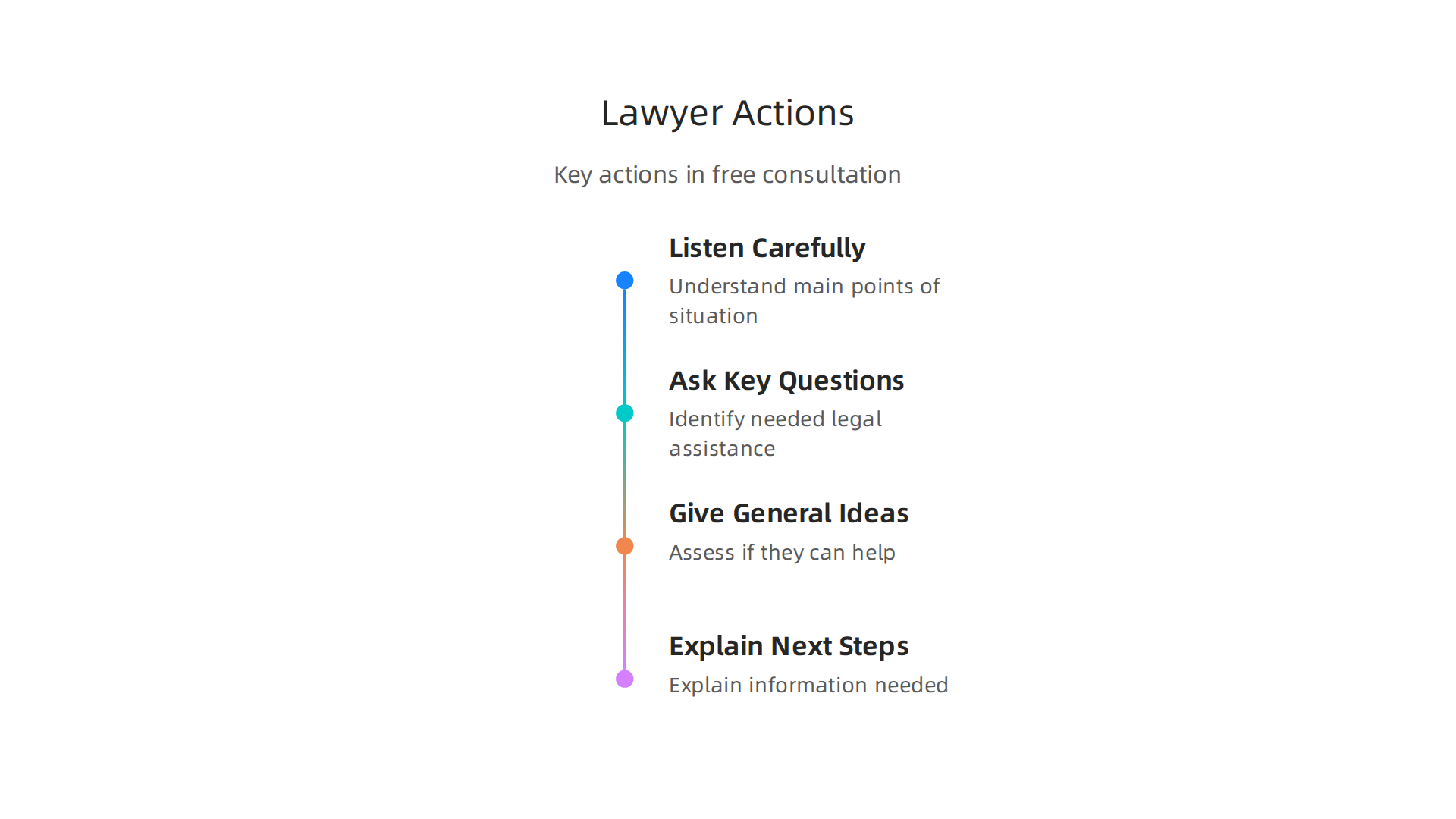
- They listen carefully. They want to understand the main points of your situation.
- They ask key questions. These questions help them figure out the type of legal help you might need.
- They give general ideas. They might tell you if your problem is something they can handle or if you need a different kind of lawyer, like a civil lawyer free consultation if it’s a dispute, or perhaps a litigation attorney if it looks like court might be involved.
- They explain next steps. This could be telling you what information they would need if you decide to hire them.
It’s really important to know what a free consultation is not. It is not the time for the lawyer to give you deep, detailed legal advice. They won’t solve your whole problem in this first free chat. They also won’t promise to represent you in court or draw up legal papers. This meeting is more about figuring out if you and the lawyer are a good fit and if your case has a path forward. It’s often called an "initial screening" or "intake call" because it’s the first step to get to know each other.
There are good reasons for these limits. Lawyers must follow rules to make sure they can give you the best help. Giving full advice in a short, free meeting can be hard because they don’t have all the facts yet. It’s also not a formal lawyer-client relationship during a free consultation. That only starts when both you and the lawyer agree and sign a contract. Places like San Diego offer programs where you can get initial guidance for your business, showing how useful these first talks can be for many people San Diego Business Legal Aid & Pro Bono Services.
So, while a free consultation is a great way to start, remember its purpose is to explore, not to conclude. It gives you a chance to ask important questions, like what to expect from the legal process or how the lawyer works. You can find more helpful advice about how to choose a lawyer by learning 12 Questions to Ask Before Hiring a Maryland Employment Law Attorney or Banking Litigator and how to Check an Attorney’s Background.
It’s clear that a free consultation is your first step to understanding how a free consultation business lawyer might help. But beyond the format, there are important rules lawyers must follow, and things you should know too. These rules are about ethics, privacy, and making sure everyone is treated fairly.
Lawyer’s Rules: Advertising, Conflicts, and Confidentiality
Lawyers, even when offering free chats, must follow strict rules set by their state bar associations.
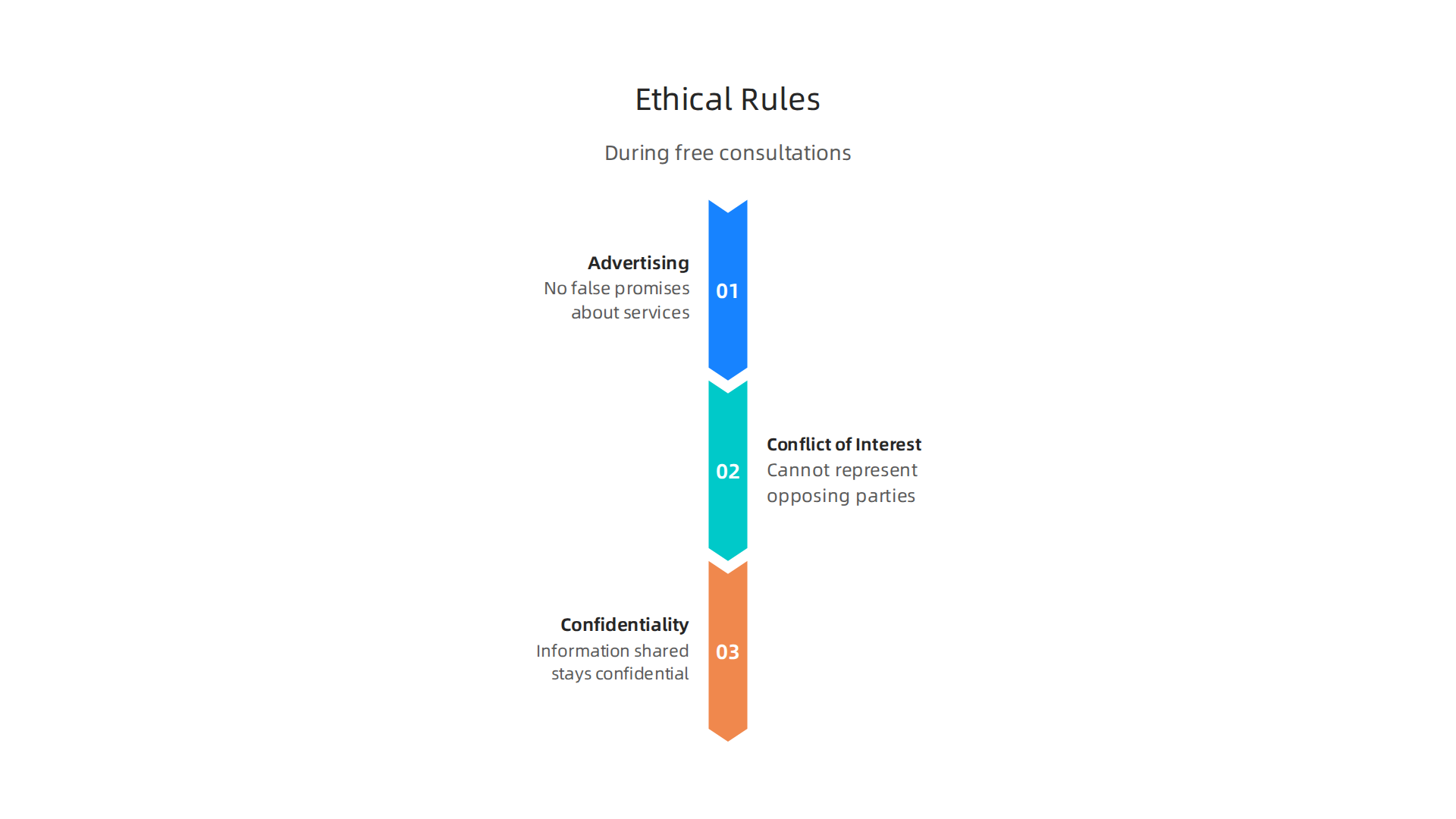
These rules help protect you, the client.
- Advertising and Solicitation: Lawyers cannot make false promises about what they can do for you, especially during advertising or trying to get new clients. They have to be truthful about their services.
- Conflict of Interest: This is a big one. Before a lawyer can give you any real advice, they must check if they have a "conflict of interest." This means they can’t represent you if they also represent someone else who is against you in the same case. They also can’t represent you if they have a past client whose case would make it hard to help you fairly Pro Bono Conflicts Ask-a-Lawyer. This check is why they ask for basic details about your business and the problem early on. It helps them avoid taking on a case where they couldn’t give their full, unbiased support.
- Confidentiality: Even in a free consultation, lawyers usually treat the information you share as confidential. This means they won’t go tell other people your business secrets. However, this early stage is not yet a formal lawyer-client relationship, which offers the strongest protections. You should still be careful about what you share.
Your Role: Data Privacy and What to Share
When you have a free consultation, it’s wise to be smart about what you share.
- What to share: Give enough details for the lawyer to understand the basic problem and see if they can help. Tell them the type of issue (e.g., contract problem, dispute with another company), who the main people or companies involved are, and what you hope to achieve. This helps them run that important conflict check.
- What to hold back: Don’t share every single tiny detail or document right away. For example, you might not want to give over your company’s full financial records or highly sensitive trade secrets until you’ve formally hired the lawyer. It’s smart to ask about their data security if you’re worried about privacy, especially with all the new technology lawyers use in 2026. For example, some lawyers are using AI tools, and it’s important that they understand how to protect your information when using these tools AI Legal Ethics in 2026. You can also learn how to check a lawyer’s background to make sure you are comfortable sharing your information by understanding how to evaluate law firms for strategic growth.
- Unintended Relationships: Sometimes, if a lawyer gives too much specific advice during a free chat, you might think they are your lawyer, even without a contract. This is called an "unintentional attorney-client relationship" and can cause problems for both you and the lawyer if not handled correctly How to Avoid an Unintentional Attorney‑Client Relationship. To avoid this, lawyers keep free consultations focused on general information, not specific legal advice.
So, while talking to a business lawyer for free is a great first step, remember these rules. They are in place to make sure that when you do decide to hire someone, you’ll get the best and most ethical help possible for your business.
After learning about the important rules lawyers follow and what you should keep in mind during a free talk, it’s time to look at the good and bad parts of using a free consultation for your business. It’s smart to know all sides before you reach out to a free consultation business lawyer.
Pros, Cons, and Risks for Businesses Using Free Consultations
Getting a free legal chat can be a really helpful first step for business owners. It’s like a quick check-up for your legal health. But, like anything, it has its ups and downs.
The Good Parts of a Free Consultation
- Spotting Risks Early: One of the biggest wins is finding problems before they get too big.

A free consultation business lawyer can help you see hidden risks in a contract, a new business idea, or a disagreement. They can point out areas where you might need to be careful.
- Figuring Out the Problem (Triage): You might not know if your issue is a small bump or a major legal battle. A free chat helps you understand how serious your problem is and what kind of legal help you might need. This is sometimes called "triage," meaning figuring out which problems are most urgent.
- Controlling Costs from the Start: Getting initial information without paying for it right away saves you money. You can talk to a few different
business lawyersto get a feel for their approach without committing financially. This helps you manage your budget better. - Comparing Lawyers: Think of it like shopping around. You can talk to different lawyers to see who you feel most comfortable with, who understands your business best, and who seems like the right fit. This helps you find the best match for your needs before you spend any money. Many law firms offer free consultations to attract new clients, which means it is often a good way to start building trust and seeing their expertise in action Growth and retention: Marketing tactics for small firms.
- Getting a Feel for Legal Help: If you’ve never hired a lawyer before, a free consultation can make the process less scary. It helps you understand how lawyers think and how they might approach your business issues. This is true whether you need a
civil lawyer free consultationor help with a specific business dispute.
The Not-So-Good Parts and Possible Risks
While free consultations offer many benefits, it’s also important to be aware of the downsides and risks:
- Reliance on Incomplete Advice: A free chat is short and meant for general talks. The lawyer can’t give you full, detailed legal advice without knowing all the facts and documents. Relying too much on this limited advice could lead to problems later on.
- "Scope Creep" and Misunderstandings: Sometimes, people try to get too much free advice, pushing the limits of the consultation. This can lead to what’s called "scope creep," where the free talk goes beyond its intended purpose. You might also mistakenly think you have hired the lawyer or that they are actively working on your case, when a formal agreement has not been made.
- Not All Firms Offer the Same Value: Some law firms might offer free consultations mostly to find out if you’re a serious client. They might spend less time truly trying to help you understand your options. It’s true that paid consultations can sometimes filter out people who are not serious about hiring a lawyer, but they can also lower the number of people who contact the firm at all Paid v. Free Consultations: What’s Best for Your Firm?.
- Potential Conflicts: As discussed earlier, lawyers must check for conflicts of interest. While this protects you, it also means a lawyer might tell you they can’t help after getting your basic information, which can be frustrating.
- Time Constraints: Free consultations are usually short, maybe 15-30 minutes. This might not be enough time for complex issues, especially if you’re dealing with a complicated
litigation attorneymatter or detailed business problem.
When thinking about these points, it’s clear that a free consultation is a great way to start your search for legal help. It’s a low-risk way to learn more, but it’s important to keep your expectations realistic about what you’ll get from it. Knowing how to choose the right professional is key. For more tips on finding expert legal help, you can learn how to identify and hire top lawyers for business disputes in 2026.
Now that you know the good and bad parts of free legal chats, let’s talk about how to really find a great free consultation business lawyer who can give you real help. It’s important to do your homework before you even have that first meeting.
How to Find and Evaluate a Business Lawyer Offering a Meaningful Free Consultation
Finding the right business lawyers for your needs starts with some smart steps. This way, you make the most of your free consultation and avoid surprises.
Do Your Homework Before the Call
Before you even pick up the phone, do a little digging. This helps you understand if a lawyer is a good fit.
- Check their Credentials and License: Always make sure the lawyer is properly licensed to practice law in your area. You can usually find this information on your state’s bar association website. For example, some rules set out how lawyers must be trained and eligible to practice in certain places Part 522. It’s a good first step to check an attorney’s background.
- Read Reviews and Testimonials: See what other clients say about them. Websites like Google, Yelp, or legal directories often have client reviews. These can give you an idea of their work style and how they treat clients.
- Look for Published Content or Expertise: Does the lawyer write articles, give talks, or have a blog? This can show they really know their stuff and stay updated in their field. It also helps you see how they think about legal problems.
- Confirm Niche Experience: For business issues, you don’t want just any lawyer. You want someone who knows about your type of business or specific legal problem. For example, if you’re dealing with a serious business disagreement, you might need a
litigation attorney. Experts suggest bringing in outside help for tricky cases like these In-House vs. Outside Counsel: Choosing the Right Option. Make sure they understand your particular needs. Sometimes, you need more than just a general expert for your legal papers or agreements, you need someone with deep understanding of specialized topics like why you need more than a lawyer for business contracts.
What to Look For During the Consultation
When you’re actually talking to the free consultation business lawyer, pay attention to these points:
- Clarity on What’s Free: Make sure you both understand what the free talk will cover and what it won’t. This helps manage expectations and avoids "scope creep."
- Conflict Check: The lawyer should mention they’ve checked for any conflicts of interest. This is a must-do for lawyers to make sure they can truly represent you fairly.
- Clear Follow-Up Process: At the end of the call, ask about the next steps. How do you officially hire them? What are their fees if you decide to move forward?
- Red Flags: Trust your gut. Does the lawyer make big promises that sound too good to be true? Are they hard to understand? Do they pressure you to hire them right away? These could be warning signs.
- Personal Fit: It’s really important that you feel comfortable talking to the lawyer. You’ll be sharing private details about your business. Some people call this "cultural fit," meaning you want someone you would be happy to work with and trust 7 Important Selection Criteria for Hiring In-House Counsel. When thinking about hiring someone, it’s key to identify the best lawyers in 2026 for your situation.
Choosing a lawyer is a big decision for your business. By doing your research and paying close attention during your civil lawyer free consultation or business legal talk, you can find the right person to help protect your business.
To stay on top of all the new tools and changes in the legal world, especially with AI, it’s a good idea to keep learning.
The AI Newsletter Worth Reading
Now that you’ve done your homework to find good business lawyers, it’s time for the actual free chat. This is your chance to really talk with a free consultation business lawyer and see if they are the right fit. To make the most of this important meeting, you need a plan. Knowing the right questions to ask can help you find a lawyer who truly understands your needs. For instance, when looking for specialized help, it’s always smart to have a list of 12 questions to ask before hiring an employment law attorney or banking litigator. Here’s a list of 10 key questions to use as your guide.
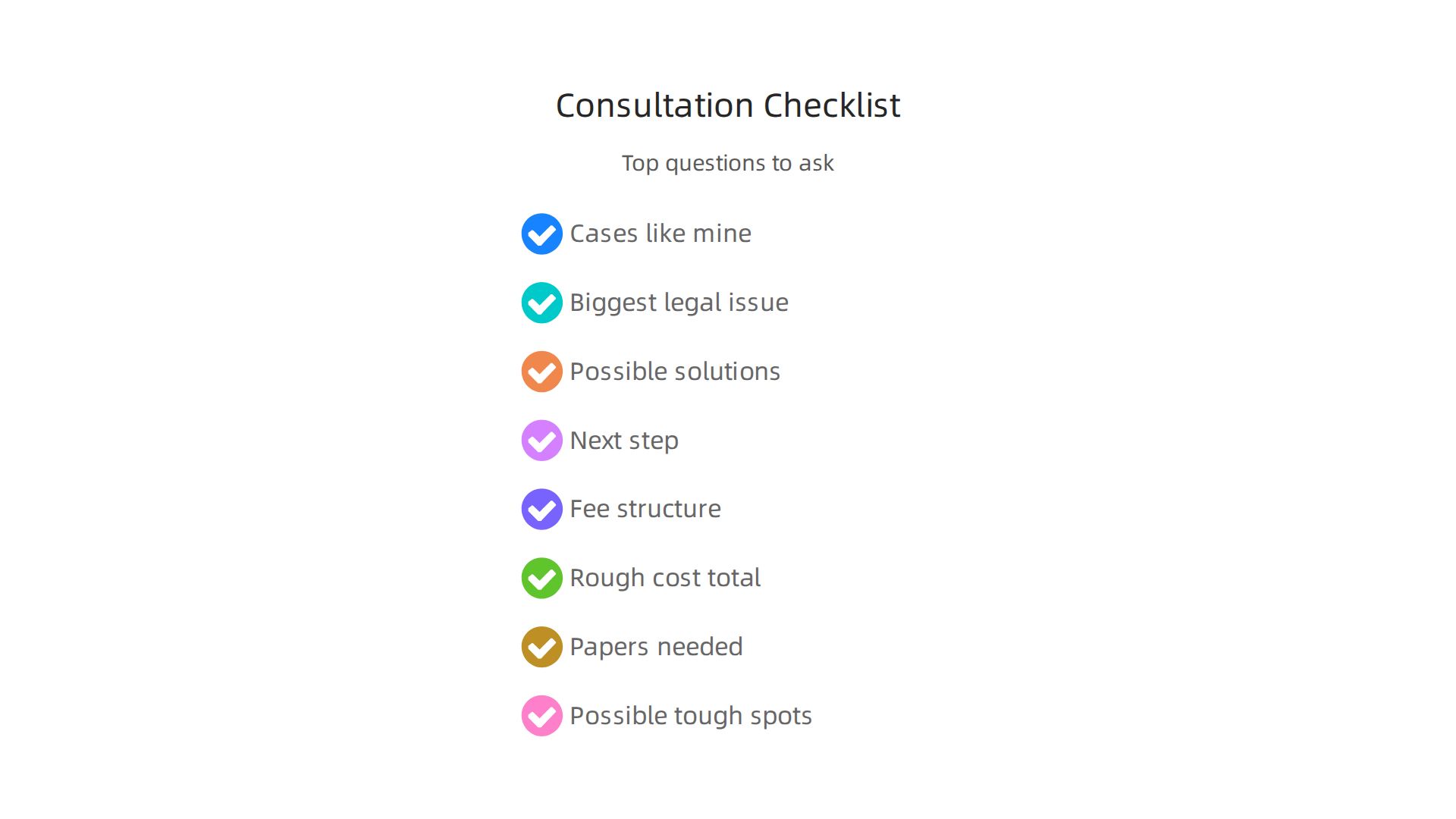
What to ask during a free consultation: a 10-question checklist for business clients
When you sit down for that important free chat with a free consultation business lawyer, having a clear list of questions helps you get the most out of your time. This checklist will guide you to understand their experience, how they work, and what steps come next for your business.
Here are 10 key questions to ask:
- "What kind of cases like mine have you handled before?" You want a lawyer who knows about your specific type of business problem. If you need help with a contract, ask about their experience with contracts, not just other kinds of legal work.
- "What do you think is the biggest legal issue I’m facing right now?" The lawyer should be able to listen to your story and tell you what they see as the main legal problem. This shows they understand your situation clearly.
- "What are some possible ways we could try to solve this problem?" They should give you a few ideas or options for how to move forward. It’s helpful to know what your choices are.
- "What would be the very next step if I decide to hire you?" You need to know what happens right after the free call. Do you sign papers? Do they need more information from you?
- "How do you charge for your work, and can you explain the different ways?" This is very important for your budget. Ask if they charge by the hour, a fixed price for the whole job, or if they have other payment plans. Understanding how lawyers charge is a key part of how legal leaders evaluate law firms for strategic growth.
- "Can you give me a rough idea of how much this might cost in total?" While they can’t give an exact price right away, a good lawyer can usually give you a range. This helps you plan your money. Businesses often look for clarity on costs and expectations, much like how lawyers prepare for facing law firms’ performance reviews.
- "What papers or information will you need from me to get started?" Knowing this helps you gather all the important documents so you can begin quickly if you choose to work with them.
- "How often will we talk, and what’s the best way to reach you?" It’s good to know if they prefer email, phone calls, or video chats, and how often they will update you on your case.
- "Will anyone else be working on my case, like another lawyer or an assistant?" Sometimes a team of people works together. It’s good to know who else you might be talking to. When hiring, you’ll want to choose the best team for your needs, so it’s wise to evaluate law firms: your guide to authoritative profiles and research.
- "What are some possible tough spots or risks with my case?" A good
litigation attorneyorcivil lawyer free consultationwill tell you both the good and bad parts. They should not only tell you what could go right but also what challenges you might face.
Don’t Forget to Take Notes
During your chat, make sure you write down the answers to your questions. You might also want to write down any new questions that come to mind. This helps you remember what was said and compare different lawyers if you talk to more than one.
Confirm What Was Covered and Next Steps
Before you finish the call, ask the free consultation business lawyer to quickly say what they understand was discussed. Also, ask if there’s anything else you need to do or know right away. Sometimes, they might tell you about things they can’t cover in a free chat. Make sure you understand these limits. Knowing how to ask the right questions can help you pick the perfect lawyer for your business.
After your free chat with a free consultation business lawyer, you’re ready to decide if they are the right fit for your business. The next step is to understand how you will work together and how their services are paid for. This is where the free consultation turns into a real plan for action.
Understanding How Lawyers Charge
Lawyers use different ways to charge for their work.
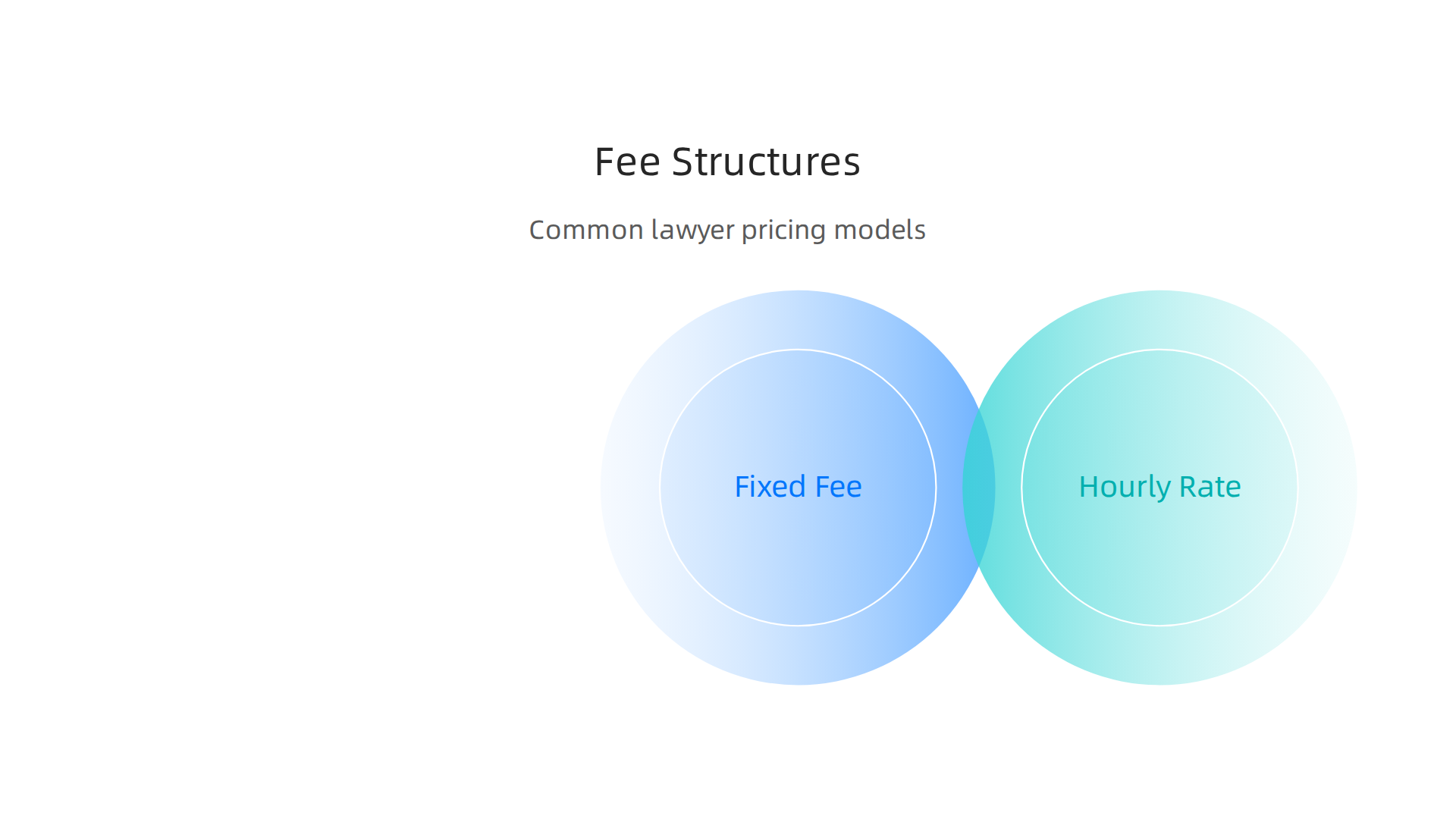
Knowing these models helps you pick the best one for your business needs and budget.
- Fixed-Fee Scoping: For some clear jobs, a lawyer might offer a set price for the whole task. This is common for things like writing a simple contract, setting up a new company, or doing certain legal checks. You know the total cost upfront, which makes planning easy.
- Hourly Rates: Many
business lawyerscharge by the hour. This means you pay for the exact time they spend working on your case. This model is often used for bigger, more complex problems, like when you need alitigation attorneyfor a court case or acivil lawyer free consultationfor ongoing advice where the work hours can vary a lot. - Retainer Models: A retainer is like a deposit. You pay a certain amount upfront, and the lawyer works against that money. It can be for a specific project or for ongoing advice over a period. If the work goes over the retainer amount, you pay more. If it’s less, you might get some money back. Many businesses find that having attorneys on retainer helps them get quick advice whenever they need it.
Comparing Costs and Getting Value
When you get price ideas from different lawyers, don’t just pick the cheapest one. Think about the value they bring. A more experienced lawyer might cost more per hour but could solve your problem faster or prevent bigger issues later on.
To compare well:
- Ask for detailed estimates: A good
free consultation business lawyershould give you a clear idea of what’s included in their fee. - Think about the big picture: What would happen if you didn’t hire a lawyer? How much might a legal problem cost your business in lost sales or fines? The right lawyer can save you more money than they cost.
- Look for clear communication: Make sure the lawyer explains their fees in a way you can easily understand. Transparency about costs is important, and many law firms are shifting how they handle initial talks, with some now charging for advice that used to be free, as noted in "The Ethics of Charging Initial Consultation Fees for Law Firms" from 2026 Ethics of Charging Initial Consultation Fees for Law Firms.
What Happens Next?
Once you choose a lawyer, they will send you an "engagement letter." This is a written agreement that explains:
- The legal services they will provide.
- How they will charge you (hourly, fixed-fee, retainer).
- The terms for payment, like when bills are due.
- What information and documents they need from you to start.
Reading this letter carefully is very important. Make sure you understand everything before you sign it. This agreement is how you officially hire the lawyer and begin solving your business’s legal needs. It’s a crucial step in converting free consultations into paying legal clients for the law firm. For deeper insights into the world of legal technology and how it shapes law firm operations and client relationships, you might be interested in The AI Newsletter Worth Reading.
Legal technology changes quickly. Staying informed can help you make better decisions for your business. For instance, understanding the role of The Business Corporate Lawyer in 2026 can offer valuable perspective on modern legal practice.
Summary
Free legal consultations give business owners a low‑risk way to get initial legal guidance, triage problems, and decide whether to hire a lawyer. This article explains the common formats (phone, video, in‑person), the short scope of these meetings, and why they are not a substitute for full legal advice. It covers the ethical rules lawyers must follow—advertising limits, conflict checks, and confidentiality—and offers practical advice on what information to share and what to withhold. You’ll learn the main benefits (risk spotting, cost control, comparison shopping), the downsides (limited advice, scope creep, time limits), and how to evaluate lawyers before and during the consult. The piece includes a 10‑question checklist to use in the meeting, guidance on fee models (fixed fee, hourly, retainer), and what to expect in an engagement letter if you decide to hire counsel. After reading, you’ll know how to prepare, run an effective free consultation, and choose the right business lawyer with confidence.