
Legal Encyclopedia: Your Guide to Smarter Research and Firm Success

Why Modern Attorneys Need a Reliable Legal Encyclopedia
In 2026, the legal world moves very fast. New technology, especially AI, changes how lawyers work every single day. This creates a huge amount of information for attorneys to keep up with. For busy lawyers, finding quick, trustworthy answers is more important than ever. It’s tough to stay on top of all the new laws, cases, and rules. This is where a good legal encyclopedia becomes a truly essential tool.

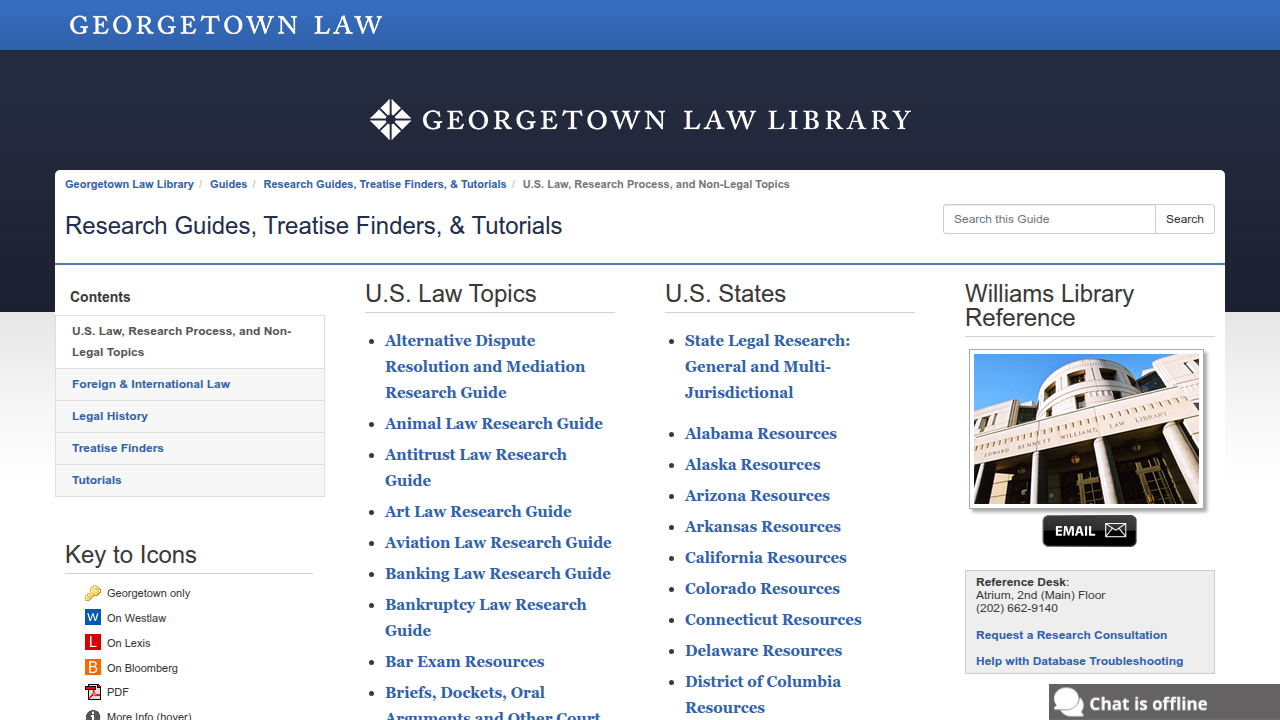
So, what exactly is a legal encyclopedia? Think of it like a giant book of answers for legal questions. It’s a set of brief articles that explain many different legal topics in simple language, often arranged from A to Z, just like a regular encyclopedia. It gives a broad overview and explains important legal words, pointing you to other important laws or court cases if you need more detail. This makes it a great place to start when you are learning about a legal topic you don’t know much about yet, as explained in the Legal Encyclopedias – Secondary Sources Research Guide.
For attorneys today, a reliable legal encyclopedia is a must-have. It helps them quickly understand new areas of law and keep their knowledge fresh. It’s a key part of staying updated with your professional development and making sure you follow all the rules in your legal work. Many lawyers, whether they are in traditional offices or working remote attorney jobs, rely on these resources to save time and ensure accuracy. To learn more about how legal professionals keep up with tools, you can explore how to Master Legal Research Databases in 2026 with AI and Smart Search Techniques.
In this article, we will dive deep into what a legal encyclopedia offers. We’ll show you how to look at different options, how to pick the best one for your needs, and how to use it easily in your daily work. You will learn how to make this powerful tool part of your everyday practice to help with everything from understanding new laws to ensuring you’re always compliant.
As legal technology keeps growing, staying informed about the newest tools and changes is crucial. To get daily updates on AI and other tech important for the legal sector, we recommend The AI Newsletter Worth Reading.
What is a legal encyclopedia today? Definitions and scope
Even with all the new technology in 2026, a legal encyclopedia still plays a very special role. It’s not just an old book; it’s a living guide that helps legal professionals understand the big picture of different laws. Think of it as your first stop when you need to quickly grasp a legal topic you’re not familiar with. It gives you broad, simple summaries of legal ideas, important terms, and points you to the main laws or court cases if you need to dig deeper. This makes it a great way to start your legal research, especially when you are completely new to a subject, as explained in the Source Type – Case Finding and Advanced Searching Strategies.
It is important to know that a legal encyclopedia is different from other legal tools.
Not a Legal Treatise
While a legal encyclopedia gives you a good overview, it’s not the same as a legal treatise. A treatise is usually a very long book or set of books written by an expert on one specific area of law, like property law or criminal law. It goes into much more detail, often explaining the history of legal rules and offering deep analysis. Treatises are more in-depth and often seen as more authoritative than an encyclopedia because they are written by field experts, as highlighted in Secondary Sources: Legal Encyclopedias, A.L.R.’s, Treatises …. You can think of a legal treatise as a deep dive, while a legal encyclopedia is a helpful map. For example, a legal encyclopedia might cover a topic in about 100 pages, but a treatise on the same topic could fill several volumes.
Not a Case Law Database or AI Tool
A legal encyclopedia also isn’t a case law database, which holds all the actual court decisions. Nor is it an AI-driven legal research tool that can analyze complex data and predict outcomes. While these newer AI tools are becoming very important for lawyers, a legal encyclopedia offers a different kind of value. It gives you the human-written, editor-reviewed summaries and explanations that AI tools might use as part of their learning, but the encyclopedia itself focuses on clear, foundational knowledge. It explains legal terms and concepts, legislation, and notable court cases in simple terms, providing a useful starting point for your research. The goal of a legal encyclopedia is to give you a solid, understandable foundation before you dive into the specifics of actual cases or use AI for deep analysis. To understand how the role of a legal professional changes with these new tools, read about the Lawyer Defined 2026: How Technology Reshapes the Attorney Role.
What a Modern Legal Encyclopedia Contains
Today’s legal encyclopedias usually include:
- Summaries of Laws: Easy-to-understand explanations of statutes and rules.
- Practice Notes: Tips on how lawyers handle certain situations.
- Jurisdictional Overviews: Information specific to laws in different states or regions. For example, some may focus on specific state laws, helping attorneys looking for New York Bar attorney search information, while others provide broader federal coverage.
- Citations: References to primary legal sources (like court cases and laws) so you can find the original text.
These resources are kept up-to-date by legal editors who regularly review and add new information, making sure the content is correct and reflects the latest changes in the law. This ensures that the summaries are always accurate and trustworthy, a key aspect for any attorney in 2026.
How to evaluate legal encyclopedias for professional development
Picking the right legal encyclopedia is like choosing the best tool for a job. It’s really important for lawyers and legal teams in 2026 to have the best resources to grow and stay sharp.

It helps you keep learning and doing your best work. Here is a simple way to look at different legal encyclopedias.
A clear way to choose: What to look for
When you want to evaluate a legal encyclopedia, think about these key things:
- How Much It Covers: Does it talk about all the areas of law you need? Some are very wide, covering many topics. Others might be more focused. Make sure it has enough information for your needs.
- How Good the Writing Is: Is the information clear and easy to understand? Are the summaries well-written by experts? Good quality writing means you can trust the information and learn from it easily.
- How Often It’s Updated: Laws change a lot, even in 2026. So, an encyclopedia needs to be updated often to be helpful. You want to make sure the facts are fresh and not old news. A good guide might have dates showing when it was last checked, which is important for staying current, especially with things like statutes and deadlines that change, as explained in a guide for law firms.
- How Deep It Goes for Specific Places: Does it cover laws for your state, like if you’re doing a new york bar attorney search, or does it cover laws for the whole country? This is very important because laws are different everywhere.
- How Easy It Is to Search: Can you quickly find what you’re looking for? Good search tools and clear tags help you get to the right information without wasting time. Learning to use these tools well is part of mastering legal research. To get better at finding information, you can learn more about how to master legal research databases in 2026 with AI and smart search techniques.
- How Well It Works with Other Tools: Can you easily get information from the encyclopedia into your other work tools? This makes your workflow smoother, especially if you have remote attorney jobs and need to access resources from anywhere.
What legal teams should look for
For legal operations and training teams, choosing a legal encyclopedia also means thinking about how it helps the whole team.
- Easy to Use for Everyone: Will new lawyers, maybe those learning the gw law core, find it easy to use? If it’s simple to learn, more people will use it and get the most out of it.
- Helps with Rules and Best Practices: Does it help your team follow all the important rules and laws? Keeping up with current laws is key for avoiding problems. This ties into compliance, which is a big deal for law firms, as highlighted in a guide to marketing compliance for law firms.
- Shows Real Results: Can you see that using the encyclopedia makes a difference? Maybe it helps lawyers do research faster or understand tough topics better. Measuring these things can show the value of your choice.
Making smart choices about your legal resources is part of staying ahead. It helps lawyers not only in their daily work but also in their long-term growth.
Do you want to stay even more informed about the latest tech trends shaping the legal world?
Get clear daily AI updates from The AI Newsletter Worth Reading.
To continue staying ahead, knowing what specific features to look for in a legal encyclopedia is key. A good legal encyclopedia helps lawyers and legal teams grow and perform at their best. Let’s look at the important parts that make a legal encyclopedia truly helpful in 2026.
Key features and content types to look for
When choosing a legal encyclopedia, you need to think about what it offers. These features help you do your work better, faster, and more surely.
Must-Have Features for Every Legal Encyclopedia
Here are the basic features that a top-notch legal encyclopedia should have:
- Jurisdiction Filters: Laws are different from state to state or even country to country. A good legal encyclopedia lets you narrow down information to your specific area. This is super important whether you’re dealing with a local case or looking up how to how to use an nj attorney lookup.
- Practice-Area Modules: These are sections focused on certain types of law, like family law, criminal law, or business law. This helps lawyers, such as the business corporate lawyer in 2026, quickly find information specific to their field.
- Annotated Statutes: This means laws come with helpful notes, explanations, and links to cases that have used those laws. It makes understanding complex laws much easier.
- Practice Notes: These are practical guides or tips written by experts. They tell you how to apply the law in real-life situations.
- Precedent Links: This feature connects you directly to important court cases (precedents) that explain how a law has been used before. It helps you see the history and outcome of similar legal issues.
- Versioning and Change Logs: Laws can change. A good legal encyclopedia will show you how laws have changed over time and when updates were made. This is like a history book for laws and helps ensure you’re using the most current information. Checking for "trust and verifiability" in legal resources is always a first step for professionals, as noted in a Legal AI Buyer’s Guide 2026: Evaluation Framework.
Value-Add Features for Attorneys
Some legal encyclopedias go even further, offering tools that truly help attorneys grow and stay sharp. These are not just nice to have; they can make a big difference in your career.
- Integrated Training Modules: These are built-in lessons or tutorials that teach you how to use the encyclopedia or even cover certain legal topics. This can be very helpful for new lawyers or anyone wanting to learn more.
- CLE Alignment: CLE stands for Continuing Legal Education. Some encyclopedias offer content that counts towards your required CLE hours, helping you meet professional learning goals easily.
- Citation-Ready Drafting Tools: Imagine writing a legal document and the encyclopedia helps you put in the correct citations for the laws or cases you’re talking about. This saves time and prevents mistakes.
By looking for these must-have and value-add features, you can pick a legal encyclopedia that truly supports your professional journey in 2026 and beyond.
Bringing a new tool like a legal encyclopedia into a law firm means more than just buying it; it means making it a part of how everyone works and learns. For a legal encyclopedia to truly help your team, it needs to fit smoothly into daily tasks and learning programs. This is key for lawyers and legal teams to do their best work in 2026.
Integrating a legal encyclopedia into firm workflows and learning programs
Getting your team to use a new legal encyclopedia means showing them how it makes their work easier and better. Here’s how to weave it into different parts of your firm’s work.
Practical Integration Points
- Onboarding New Staff: When new lawyers or paralegals join your firm, a legal encyclopedia can be their first stop. It helps them quickly understand different areas of law and your firm’s practices.

It’s a rich source for new team members to get up to speed on legal topics and how your firm handles things, speeding up their ability to contribute effectively.
- Matter Intake: When a new client comes in, lawyers need to quickly gather facts and understand the legal issues. A legal encyclopedia allows for fast research on specific laws, jurisdictions, or related cases, helping your team assess new matters more effectively. This quick look-up ensures a strong start to any new case.
- Precedent Drafting and Document Creation: Creating legal documents like contracts or motions often means referencing many laws and past cases. A good legal encyclopedia with features like annotated statutes and precedent links makes it much faster to find the right wording and legal support. It can also help teams by providing quick access to information, which is helpful when trying to mastering practical law for modern legal teams.
- Knowledge Management Systems: Think of your firm’s knowledge management system as its brain. A legal encyclopedia can connect directly to this system, giving everyone easy access to up-to-date legal insights. This helps build a stronger internal knowledge base, making it simpler for lawyers to find what they need and share what they learn.
Change Management Tips for Driving Adoption
Getting everyone in the firm to use a new legal encyclopedia can be a challenge. Lawyers are busy, and changing old habits is hard. This is where good "change management" comes in. It’s about helping people accept and use the new tools.
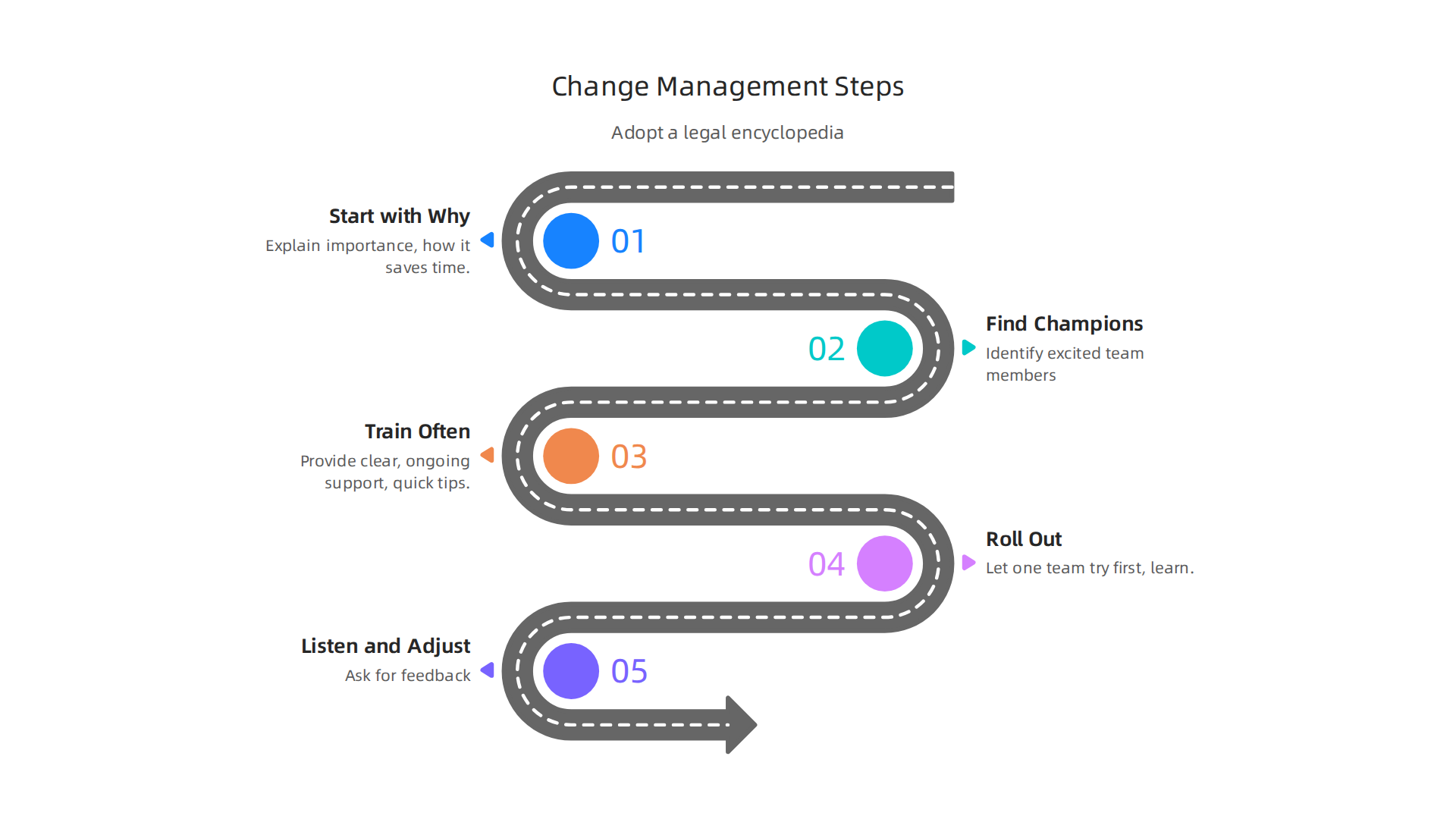
- Start with "Why": People need to know why this new tool is important. Explain how a legal encyclopedia will save time, reduce mistakes, or help win cases. Make it clear how it will make their jobs easier, not harder. For example, highlight how it can help you master legal research databases in 2026 more efficiently.
- Find Champions: Identify lawyers or team members who are excited about new technology. Let them be the "champions" who show others how great the legal encyclopedia is. Their positive examples can encourage others to try it. According to experts, identifying and activating these champions is crucial for improving technology adoption in law firms in 2026, and demonstrating quick wins, like saving hours on document creation, can also help drive adoption 2026 Tech Outlook for Small and Mid-Sized Law Firms: 8 Key Takeaways ….
- Train Well and Often: Provide clear, easy-to-follow training sessions. Don’t just do one; offer ongoing support and quick tips. Show people how to use the special features that matter most to their daily work. Start with small, easy tasks to build confidence.
- Roll Out in Phases: Instead of forcing everyone to use the legal encyclopedia at once, try a "phased rollout." This means letting one team or practice area try it first. Learn from their experiences, make improvements, and then slowly introduce it to other groups. This helps spot problems early and build trust. This is a recommended practice for introducing new legal tech to avoid disruptions, as noted in a Legal Tech Adoption Guide: Modernize Without Disruption.
- Listen and Adjust: Ask for feedback from your team. What do they like? What’s hard to use? Be ready to adjust how you teach or use the legal encyclopedia based on what you hear. Making people feel heard helps them adopt the new tool. Communicating early and often is vital for managing changes effectively within a legal practice, according to Recommended change management practices.
By following these steps, your firm can make sure that its new legal encyclopedia becomes a truly valuable asset, helping everyone work smarter and more efficiently in 2026.
As legal technology keeps changing, staying informed is key. Get clear daily AI updates that are relevant to the legal sector.
The AI Newsletter Worth Reading
A legal encyclopedia is not just for finding quick answers; it’s also a powerful tool for learning and growth within a law firm. In 2026, firms can use a legal encyclopedia to help their lawyers get better at their jobs, stay updated on laws, and even meet important training goals. It helps turn knowledge into skills, making sure everyone is ready for today’s legal challenges.
Training, upskilling, and CLE: using encyclopedias as learning substrates
Lawyers need to keep learning throughout their careers. This is often called Continuing Legal Education, or CLE. A legal encyclopedia can be a great help here.
Legal Encyclopedias for CLE and Skill Building
Think of a legal encyclopedia as a ready-made library for learning. It can be used to meet CLE requirements in many ways:
- Mapping to CLE Objectives: Most CLE courses have clear learning goals. A legal encyclopedia’s detailed articles on specific legal areas, like property law or criminal defense, directly support these goals. Lawyers can use the encyclopedia to study a topic, then show how they learned and understood it. CLE materials often need to reference legal statutes and cases, and a legal encyclopedia does this perfectly, providing the necessary details for learning and presentations. For example, guidelines for CLE materials suggest referencing legal statutes, regulations, and cases with analysis, which a comprehensive legal encyclopedia readily offers.
- Microlearning: Sometimes lawyers only have a few minutes to learn something new. This is where "microlearning" comes in. A legal encyclopedia is perfect for this. Lawyers can quickly look up a specific term, a new ruling, or a legal concept during a short break. It’s like having a quick legal coach at their fingertips. This helps busy lawyers learn little by little, making sure new information sticks.
- Mentorship Programs for Junior Lawyers: New lawyers, or junior lawyers, often need a lot of guidance. Senior lawyers can use a legal encyclopedia as a teaching guide. They can point junior lawyers to specific articles to read, then discuss the topics. This helps junior lawyers get a deep understanding of complex legal areas and prepares them for their careers, like those working as a business corporate lawyer in 2026. It gives them a solid foundation and helps them learn the firm’s way of doing things.
Designing Smart Learning Pathways
To truly make the most of a legal encyclopedia for learning, firms can set up special "learning pathways." These pathways combine different ways of learning:
- Encyclopedia Content: This is the core. Lawyers start by reading relevant sections in the legal encyclopedia. They get a full overview of the topic, including its history, important cases, and related laws.
- Workshops: After reading, lawyers can join small group workshops. Here, they talk about what they learned from the legal encyclopedia. They can ask questions, share ideas, and hear from more experienced lawyers. This helps them understand the practical side of the law.
- Practical Assignments: The next step is to use what they learned. This might mean drafting a small part of a legal document, researching a specific point for a real case, or writing a short memo. These assignments let lawyers practice their skills, reinforcing the knowledge gained from the legal encyclopedia and workshops. This approach helps lawyers truly understand and use what they’ve learned, moving beyond just knowing facts to applying them in their daily work.
By putting these pieces together, a law firm ensures that its legal encyclopedia is not just a reference book but a vibrant part of how its team learns and grows in 2026. This ongoing learning helps lawyers stay sharp and provide the best service to their clients.
After a law firm helps its lawyers learn and grow with a legal encyclopedia, the next important step is to show how much good it actually does. This means looking at the real benefits, like how much money is saved, how well the firm follows rules (compliance), and how risks are kept low. Measuring these things helps firm leaders understand the true value of a legal encyclopedia in 2026.
Measuring the Return on Investment (ROI)
When we talk about Return on Investment, or ROI, for a legal encyclopedia, we’re asking: "What did we get back for what we put in?" This isn’t just about money. It’s also about making things better and safer for the firm.
- Time Saved on Research: One of the clearest benefits is how much faster lawyers can find information. A good legal encyclopedia makes research quicker and easier. Instead of digging through many sources, lawyers can often find what they need in one reliable place. Some reports show that legal tech tools, including detailed knowledge bases like a legal encyclopedia, can cut research time by 40-70% for common legal questions in 2026, leading to big time savings for busy attorneys How to Calculate Legal AI ROI for Your Law Firm (2026 Guide). Firms can track this by comparing how long typical research tasks took before and after using the legal encyclopedia.
- Reduction in External Research Spend: If lawyers can find more answers within the firm’s legal encyclopedia, they won’t need to pay for as many outside research services or specialized databases. This directly saves money. By looking at how much was spent on external research before and after getting a legal encyclopedia, firms can see a clear financial benefit.
- Error Reduction: When lawyers have quick access to accurate, up-to-date legal information, they are less likely to make mistakes. Fewer errors mean fewer problems for clients, less rework, and fewer potential legal issues for the firm itself. This also helps improve how the firm protects its clients.
- Alignment with Compliance Requirements: Legal work comes with many rules and standards. A legal encyclopedia helps lawyers make sure their work follows all these rules. This is very important for jobs that deal with complex regulations, like many remote attorney jobs today. It helps the firm avoid penalties or legal trouble by making sure everyone is working with the right information.
Presenting Business Cases to Leadership
To get leadership to understand and keep investing in a legal encyclopedia, you need to show them the facts. This means using both numbers (quantitative evidence) and stories (qualitative evidence).

- Quantitative Evidence: The Numbers Talk:
- Time Savings: Show the exact hours saved each week or month across the team. Then, turn those hours into money saved by calculating how much those lawyer hours would typically cost.
- Cost Savings: Present the dollar amount saved by reducing external research costs.
- Error Rate: If possible, show how the number of errors or corrections has gone down since the legal encyclopedia was put in place. Some legal operations teams track "cycle time reduction" and "error rate" as key signs of success The Legal AI Return on Investment Reality Check 2026.
- Baseline Data: It is helpful to gather information on these metrics before you start using a new tool. This way, you have a clear starting point to show how things have improved.
- Qualitative Evidence: The Stories Matter:
- Improved Lawyer Confidence: Share feedback from lawyers who feel more confident and efficient because they have the legal encyclopedia. This can improve lawyer satisfaction and retention.
- Better Client Service: Explain how quicker research and fewer errors lead to happier clients and better results. This makes the firm look good.
- Risk Reduction: Describe how the legal encyclopedia helps avoid specific legal risks or compliance problems.
- Strategic Growth: Show how having a strong internal knowledge base allows the firm to take on new kinds of cases or grow in new areas. When building a case for new legal technology, it is important to clearly show how it helps the business, not just the legal team How to measure the return on investment (ROI) of legal tech.
By combining these types of evidence, a firm can create a strong argument for the value of its legal encyclopedia. It shows that the investment not only helps lawyers do their jobs better but also protects the firm, makes it more efficient, and helps it grow in 2026. This comprehensive view helps leaders see how new tools like a legal encyclopedia fit into the firm’s larger goals.
To stay on top of all the latest trends and tools impacting the legal field, including how AI is shaping legal research and operations, consider subscribing for daily insights.
The AI Newsletter Worth Reading
Summary
This article explains why a reliable legal encyclopedia remains essential for modern attorneys and legal teams in 2026. It defines what a contemporary legal encyclopedia is, distinguishes it from treatises, case law databases, and AI tools, and outlines the core content—summaries, practice notes, jurisdictional guidance, and citations—that makes it useful as a first-stop research resource. The piece walks through practical evaluation criteria (coverage, clarity, update cadence, searchability, and integrations), highlights must-have and value-add features, and shows how firms can embed an encyclopedia into onboarding, matter intake, precedent drafting, and knowledge management. It also covers using encyclopedias for CLE and mentorship, offers change-management steps to drive adoption, and explains how to measure time savings, cost reductions, error reduction, and other ROI metrics to persuade leadership. Readers will finish knowing how to select, implement, train on, and justify a legal encyclopedia so it becomes a measurable asset for productivity, compliance, and professional development.