
Mastering Practical Law for Modern Legal Teams

Why ‘Practical Law’ Matters Now – and What This Guide Will Deliver
In today’s fast-moving legal world of 2026, knowing the law is just the first step. What lawyers really need is practical law – that means legal knowledge that is ready to use right away. It’s about having easy access to clear information and tools that help legal teams do their work better and faster. Think of it as knowing not just what the rules are, but how to apply them in real cases every single day. Many lawyers use special tools like Thomson Reuters Practical Law to help with drafting documents and finding answers quickly, as noted in a review by the American Bar Association.
This kind of workflow-ready legal research is more important than ever. Lawyers and legal teams must focus on sources that give them useful, hands-on advice. It’s not enough to just pile up lots of information. You need to know what pieces of information are truly helpful and can be used right away to solve problems for clients.
Actually, the legal world faces big challenges right now. There’s a huge amount of information out there, which can make it hard to find what you need. This is called information overload. Also, picking the right tools from all the new legal technology can be tricky. And, making sure all legal work follows the rules and laws, also known as compliance, is always a top priority. For instance, a civil litigation attorney needs quick access to practical guidance to handle complex court cases and advise clients well.
This guide will help you with these challenges. We’ll show you how to cut through the noise to find the most useful legal information.

We’ll also talk about how to choose and use the best tools, almost like having a legal pad online for all your research needs. Our goal is to make sure you have the best information and strategies to keep up with legal changes and improve how you work.
The world of legal technology, especially with AI, changes daily. To stay informed and get simple, clear updates, consider subscribing to The AI Newsletter Worth Reading.
What ‘Practical Law’ Means for Busy Legal Teams
When we talk about practical law, we’re looking at legal information that isn’t just about what the law says. It’s about how to use that law every day in your work. Think of it as knowing the rules of a game, but also having a guide that shows you the best moves to win. This kind of knowledge helps busy legal teams do their jobs faster and with fewer mistakes.
Practical legal resources typically have a few key parts:
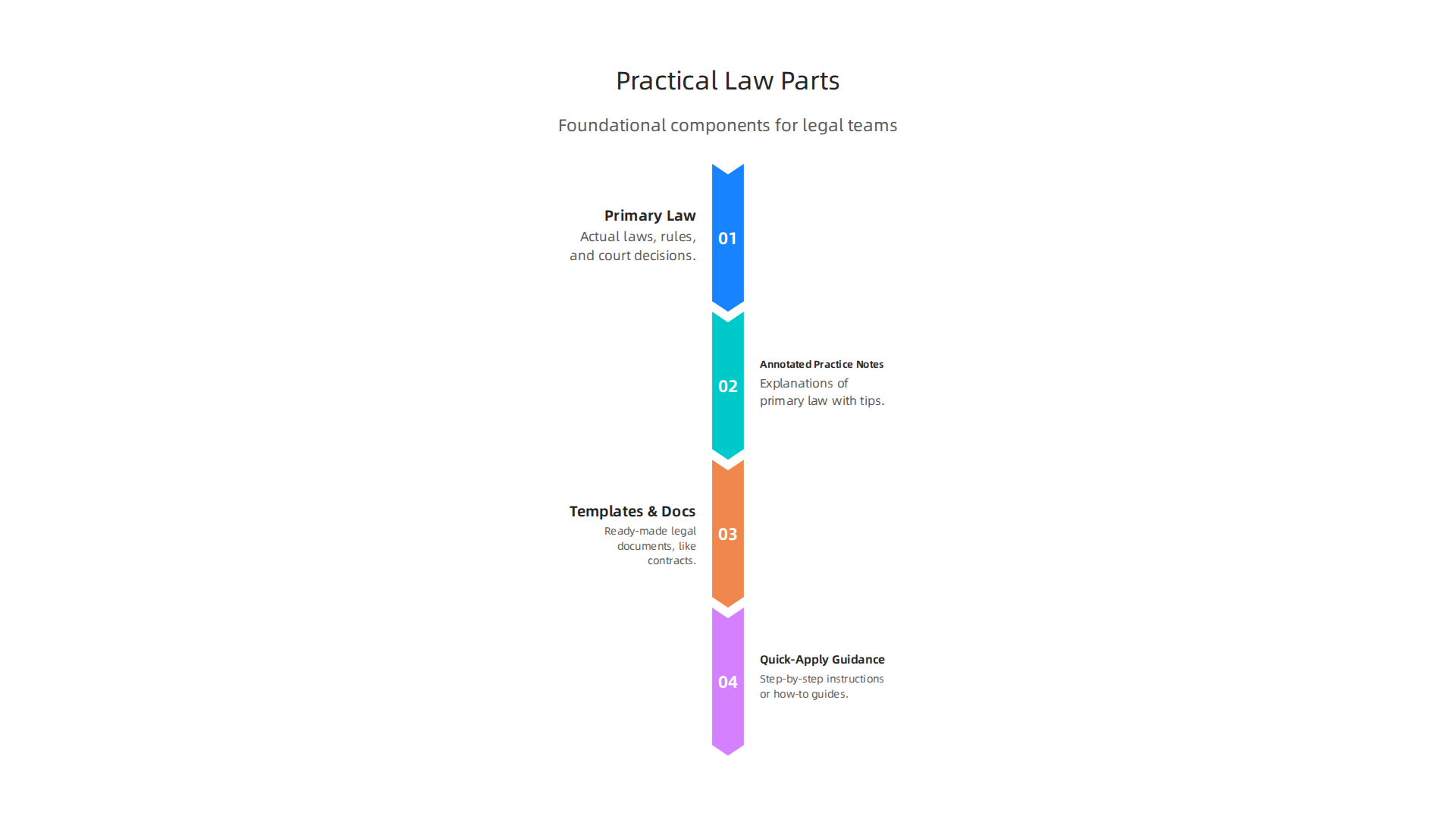
- Primary Law: These are the actual laws, rules, and court decisions. They are the bedrock of all legal work.
- Annotated Practice Notes: These are like explanations of the primary law. They tell you what the law means and how it applies in real situations, often with helpful tips and examples. These notes can include checklists and flowcharts to keep things organized, as explained in guides about Practical Law via Westlaw.
- Templates and Standard Documents: These are ready-made legal documents, like contracts or court forms. They save a lot of time because you don’t have to start from scratch. Many legal professionals rely on sources for trusted, ready-to-use Practical Legal Know-How for Law Firms, including these types of documents.
- Quick-Apply Guidance: These are step-by-step instructions or "how-to" guides for common legal tasks. They help you get things done correctly and efficiently. You can even find videos that show you exactly How to Use Practical Law for various tasks.
Choosing the Right Tools for Your Tasks
The best way to use practical law resources is to pick the right tools for the job. Different tasks need different kinds of help:
- For Transactional Drafting: If you’re putting together contracts for business deals or making sure a sale goes smoothly, you’ll want resources rich in templates, standard clauses, and practice notes that explain how to draft these documents. This helps you create clear, lawful agreements quickly.
- For Litigation Preparation: When getting ready for court, whether you are a civil litigation attorney or handling a different type of case, you need practical guidance. This includes summaries of court rules, sample pleadings, and guides on how to prepare for trials. It’s all about building a strong case step by step. If you’re wondering about the specific roles in court, you might want to understand the difference between a malpractice lawyer vs litigation lawyer.
- For Compliance Checks: Making sure a business follows all the rules is a big deal. For compliance, you’ll need practical law tools that offer up-to-date information on regulations, checklists for audits, and guidance on how to avoid legal risks.
Using smart content interactive legal tools helps legal teams work smarter. These tools bring together all the parts of practical law in one easy-to-use place. This way, busy lawyers and legal teams can focus on helping their clients, knowing they have solid, usable legal information right at their fingertips.
After learning about what practical law means for busy legal teams, the next big step is figuring out which tools can best help. There are many commercial legal research platforms out there in 2026. Picking the right one is like choosing the best car for your daily trips. You need to look at what’s important to you.

To help you choose, here’s a simple way to look at different platforms:
1. How Much Information They Cover
This is about the "corpus" or how much legal stuff the platform has. Does it cover federal laws, state laws, or even local city rules? You need to make sure the platform has all the laws and court cases for the places you work in. Some platforms might focus on one area, while others cover many different places or "jurisdictions," as explained in guides on choosing the Best Legal Research Platforms 2026.
2. Quality of Editorial Content
Is the platform just a big library of laws, or does it offer helpful explanations and guides? Good practical law tools have "annotated practice notes," templates, and step-by-step instructions. This kind of content turns raw legal rules into something you can actually use every day.
3. How Well the Search Works
You want a platform where you can easily find what you need. Can you type a simple question, or do you need to know special search terms? Look for tools with strong search features and reliable answers. Some modern tools even use AI to help you get answers faster and more accurately, as noted in a 2026 guide to Legal AI Buyer’s Guide 2026.
4. How It Works with Other Tools
Legal teams use many different software programs. It’s helpful if your legal research platform can connect with these other tools. This makes your work smoother and saves time because you don’t have to switch back and forth as much. Think about how it fits into your daily "workflow."
5. What It Costs
Of course, the price matters. Look at how platforms charge you. Is it a set monthly fee, or do you pay for how much you use? Make sure the pricing is clear and fits your budget. Some advice suggests getting a clear understanding of the costs and any extra fees before you commit to a platform, according to tips on the 12 Best Legal Research Software for 2026.
Choosing for Your Team’s Needs
Different legal teams will care more about certain things:
- For Litigation: If you are a civil litigation attorney or part of a team that goes to court often, you will want a platform with very strong and up-to-date court cases, accurate citations, and good guides for trial preparation.
- For Contracts and Deals: If your team focuses on writing contracts, business deals, or other "transactional" work, you’ll want a platform rich in templates, standard clauses, and practical guides for drafting.
- For Making Sure Rules Are Followed: For compliance teams, platforms that offer the most current regulations and checklists for audits are key.
No matter your focus, choosing the right platform can make a big difference in how efficiently your team works. These tools are part of the smart content interactive legal tools that empower modern law firms. To stay updated on how AI and technology are changing the legal world, consider subscribing to a newsletter that breaks down complex topics into easy-to-understand insights.
Get clear daily AI updates from The AI Newsletter Worth Reading.
While those paid platforms offer many great things, you don’t always need to pay a lot to get good legal information. There are also many free and open-access resources that every legal team should know about. These can be very helpful for your daily practical law work, especially if you’re just starting out or working with a tight budget.
Open Access and Free Resources Every Legal Team Should Know
Think of free resources as a strong foundation for your legal research. They offer official government documents, court cases, and scholarly articles without a price tag.
These tools are key for any legal professional, whether you’re a civil litigation attorney or working on contracts.
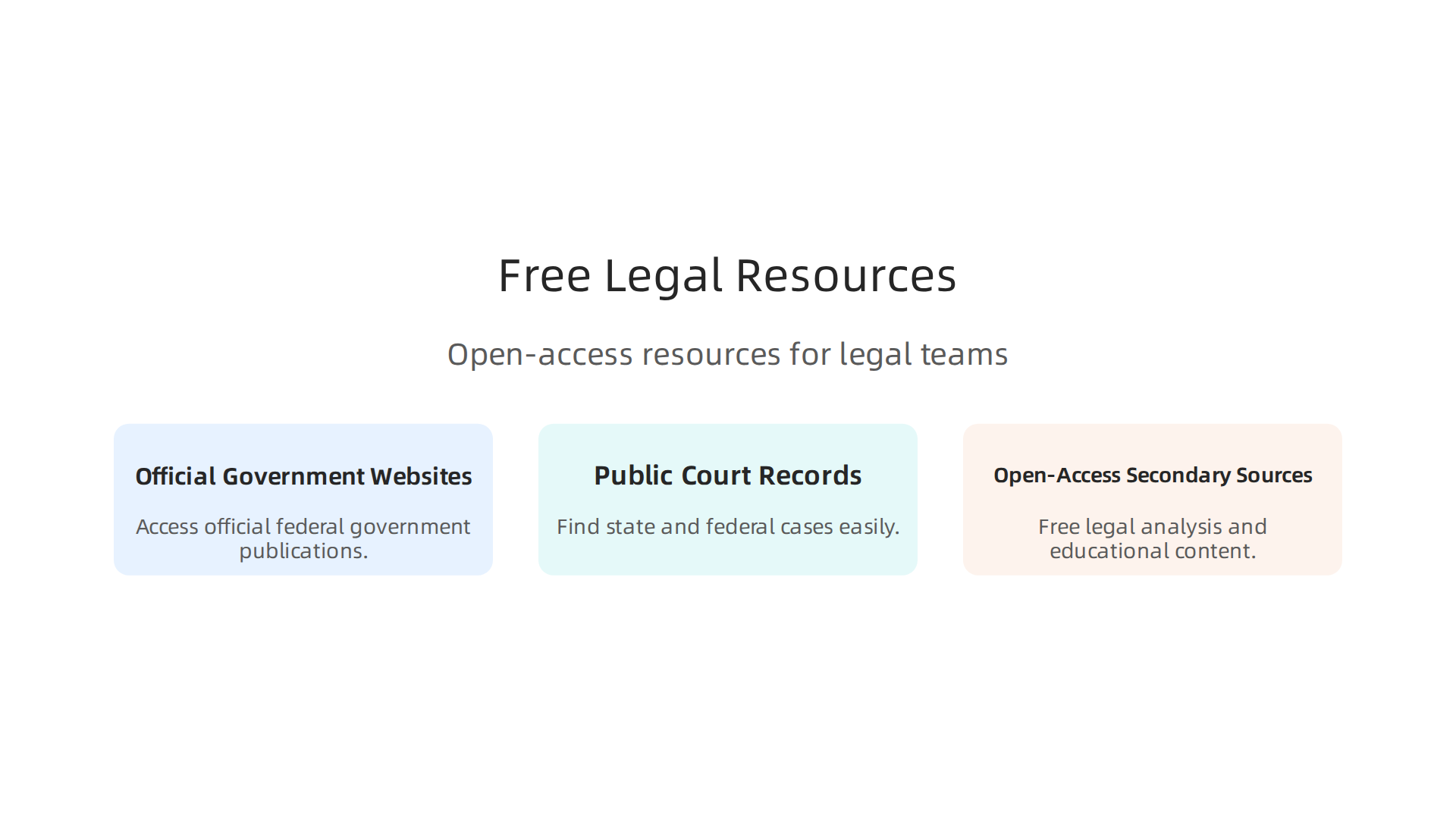
1. Official Government Websites
Many government websites offer a lot of legal information for free. For example:
- GovInfo (U.S. Government Publishing Office): This site gives you access to official federal government publications.
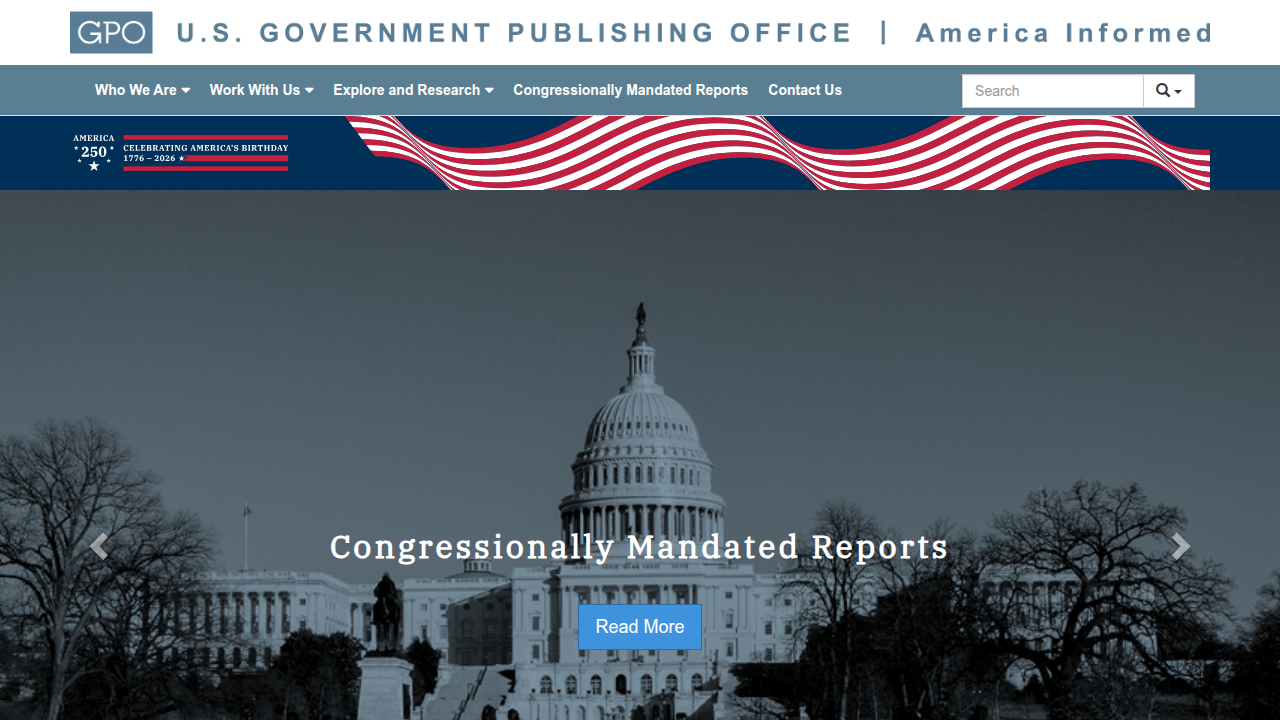
You can find things like the U.S. Code, the Code of Federal Regulations, and the Federal Register here. It’s a great place to get official documents in PDF form, as highlighted by the Antonin Scalia Law School’s guide to free legal research sites.
- Library of Congress: This library has digitized many important legal documents, including volumes of the United States Reports. It’s a treasure trove for historical and current federal court decisions, as detailed in A Guide to Case Law: Databases and Online Resources.
- Department of the Interior Law Library: While some parts are for employees, the public can still find many valuable legal documents and information that help understand how laws are applied.
These sites are perfect for getting the actual text of laws and rules, which is a core part of practical law.
2. Public Court Records and Case Law
Finding court cases doesn’t always require a paid subscription.
- Google Scholar: This tool provides a wide range of state and federal cases. It’s a simple way to search for court decisions, and guides like the one from Cornell Library can help you use it effectively.
- PACER (Public Access to Court Electronic Records): You can create a free account to view federal appellate, district, and bankruptcy court case information. While there might be small fees for some documents, judicial opinions themselves are usually free to view, as explained in resources about low-cost legal databases.
- The Caselaw Access Project (CAP): This project includes almost all official, book-published state and federal U.S. case law up to 2020, making it a powerful resource for legal research. You can find more details on Open Access Legal Resources for State & Federal Case Law.
These resources are vital for understanding how laws are interpreted by courts.
3. Open-Access Secondary Sources and Educational Materials
Beyond raw laws and cases, many organizations offer free legal analysis and educational content.
- Legal Information Institute (LII) at Cornell Law School: LII provides open access to a vast collection of legal materials. This includes an annotated version of the Constitution, federal statutes, and Supreme Court decisions. It’s a fantastic example of a free legal research resource that explains complex topics.
- SSRN (Social Science Research Network): This is an online library where many legal scholars share their research papers before they are officially published. It’s a good place to find current thinking in the legal world, as noted in the openlegaldata/awesome-legal-data GitHub repository.
- University Law Libraries: Many university libraries offer online guides and even access to some open-source legal information, much like how a student at SLU Law Online might access resources.
These sources can help you understand legal concepts and debates, similar to what you might find on a traditional legal pad online, but with much more depth. For those looking to master various tools and approaches, learning to master legal research databases in 2026 with AI and smart search techniques can combine these free options with advanced methods.
How to Use Free Resources with Paid Tools
The best approach often combines free resources with commercial legal research platforms. You can start your research with free government sites or open-access repositories to get foundational documents or to quickly check a statute. Then, for deeper dives, more advanced search features, or editorial content like practice notes and templates, you can turn to your paid subscriptions.
This mixed approach ensures that your legal team gets the most accurate information efficiently, without always needing to pay for what’s freely available. It makes your practical law workflow smarter and more budget-friendly. Combining these diverse sources creates a strong, interactive set of legal tools for modern law firms, leading to what many call smart content interactive legal tools for modern law firms.
Moving beyond the general resources, sometimes your legal work needs very specific information. This is where specialized resources come in handy. They help legal teams find the right regulatory materials, get guidance for cases that cross borders, and access notes made for specific industries. This kind of information is key for practical law, especially when you need to be very precise.
Specialized Resources: Industry-Specific, International, and Regulatory Materials
In the world of law today, just knowing the basics isn’t enough. You often need to dig into rules that apply only to certain industries or countries. This could be anything from understanding complex financial regulations to figuring out international trade laws.
1. Finding Authoritative Regulatory Materials
Regulations are rules made by government bodies to control how certain businesses or activities operate. Keeping up with them is a big part of practical law. You can find these rules on official websites, but some services help gather them all in one place. For example, some platforms give a single, updated view of various rules, as highlighted in Regulatory insights from KPMG. Other reports, like REGWATCH June 2026, keep lawyers informed about new guidelines for things like fighting money laundering. For legal teams, knowing how to track these updates is very important.
2. Cross-Border Guidance
When legal cases involve more than one country, things get much more complex.

Different countries have different laws. To handle these "cross-border" situations, you need special resources. These resources help you understand things like:
- International Laws: Rules that apply between countries or to international business.
- Sanctions and Compliance: Knowing which countries or groups have trade restrictions. For example, the U.S. Treasury Office of Foreign Assets Control (OFAC) is a key authority for economic sanctions, as noted in a corporate guide to risk management and cross-border strategies.
- Data Protection: How to handle personal information when it moves across borders. Many countries, including the US, are updating their data privacy laws in 2026, leading to global changes and enforcement. Staying compliant means you need to audit your processes across all places you operate or store data, as outlined in guides for effective management of global cross-border investigations.
These specialized sources help legal teams deal with the tricky parts of international law and make sure they meet all the rules. It’s a critical area, especially for a civil litigation attorney working with global clients.
3. Sector-Specific Practice Notes and Insights
Different industries have their own unique legal needs. For instance, the life sciences industry, which includes medicine and health, has its own set of rules that keep changing, as seen in the 2026 Life Sciences Regulatory Outlook. Similarly, privacy laws are a big deal in the tech world. In 2026, many states are updating their data privacy laws with new rules, such as youth protections and limits on how location data is used, according to insights on data privacy laws and what to expect for 2026.
These industry-specific materials offer practical advice and insights that general legal resources might miss. They are like a specialized legal pad online, filled with information just for that field.
Tips for Tracking Regulatory Changes
It’s not enough to just find these resources. You also need to stay on top of new rules and how they might affect your clients. Here’s how:
- Sign Up for Alerts: Many regulatory bodies and legal news sites offer email alerts for new laws or changes.
- Use Legal Tech Tools: Advanced software can help monitor changes across many places. This makes your practical law efforts much more efficient.
- Regular Check-ins: Make it a habit to review key regulatory updates from sources like Regulatory News | June 2026.
- Professional Development: Programs, much like those a student at SLU Law Online might take, focus on keeping legal skills current.
By doing these things, legal teams can make sure their advice is always up to date and fits their client’s specific needs, no matter how specialized the area.
To stay on top of these fast changes and learn how new tech like AI impacts legal trends, we highly recommend a reliable daily digest. Get clear daily AI updates with The AI Newsletter Worth Reading.
The legal world changes fast, and keeping up with new rules is a big job. To really use all that specialized information, legal teams need the right tools. But bringing in new tools takes careful thought. It’s not just about buying software; it’s about making sure it actually helps your daily work. This process is key for improving how you do practical law.
Evaluating and Integrating ‘Practical Law’ Tools into Your Workflow
Choosing and using new legal tools well can make a huge difference for lawyers and their teams. It helps them be more efficient and precise. Here’s a simple way to pilot, check, and bring new research tools into your office without causing too much trouble.
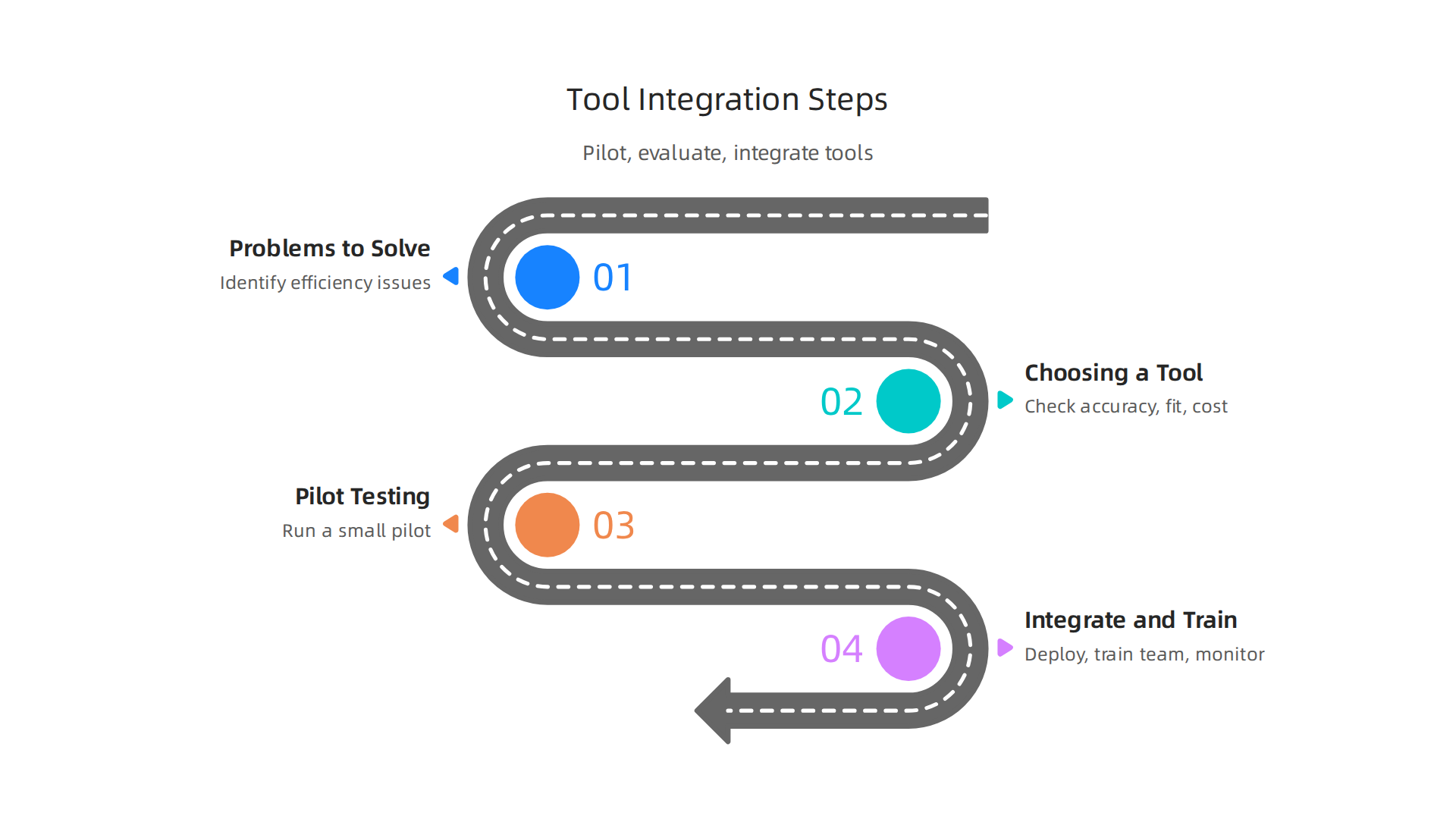
1. What Problems Do You Need to Solve?
Before you even look at a tool, think about what you want it to do. Are you trying to save time on research? Do you need better ways to find international laws? An expert guide suggests that a good evaluation starts by figuring out the two or three tasks that take up most of your time Legal AI Buyer’s Guide 2026: Evaluation Framework | Judicio. For example, if you are a civil litigation attorney, you might need help sorting through many court documents quickly. If you run a small firm, you might just need a more updated legal pad online to keep notes and research organized. Knowing your main problems helps you pick tools that truly offer smart content interactive legal tools, not just fancy features.
2. How to Pick the Best Tool
Once you know what you need, you can look for tools. Here are important things to check for:
- Is it Correct and Can You Trust It? This is the most important part. Legal tools must give correct answers and show where they got that information. Look for tools that have high research accuracy and provide verifiable citations Best Legal Research Platforms 2026: Databases vs AI Tools.
- What Does It Cover? Does the tool have information for all the laws you work with? This means looking at what jurisdictions it covers and if it has all the content you need.
- Does It Fit How You Work? A great tool should make your work easier, not harder. It should fit smoothly into your daily tasks, whether you’re drafting documents or doing deep research.
- Is It Safe? Legal information is private. The tool needs to keep your data safe and follow all security rules.
- What Does It Cost? Make sure you understand all the costs involved. Some tools have a clear price, while others might have hidden fees. Always ask for a written cap on how much the price can go up each year 12 Best Legal Research Software for 2026 | Reviewed.
Many reviews of legal research tools in 2026 talk about these points, helping legal teams choose wisely.
3. Trying Out the Tool (Pilot Programs)
Before everyone starts using a new tool, it’s smart to test it out with a small group. This is called a pilot program. You can try the tool on real cases to see how it performs. This step helps you find any problems early and see how it really works in a practical law setting. Use the trial period to run your own real-world searches.
4. Bringing It All In (Integration and Helping Your Team)
Once you’ve chosen a tool, you need to bring it into your daily work. This means making sure it works well with your other computer programs and teaching your team how to use it.
- Make it Easy to Use: The tool should be simple for everyone.
- Train Your Team: Offer clear lessons on how to use the new software. Think about programs like those offered by a SLU Law Online student might use, which focus on practical skills.
- Offer Support: Make sure your team knows who to ask for help if they get stuck.
By following these steps, legal teams can confidently bring in new technologies. This helps them stay efficient and effective in a world where new legal tech is always popping up. For those looking to master legal research with new tech, it’s worth exploring how to master legal research databases in 2026. This careful approach ensures that any new tool truly adds value to your practice.
Bringing new tools into your law practice is a big step towards working better. But it’s not enough for a tool to just be helpful. It also needs to be safe. Ensuring that your legal research tools keep client information private and secure is super important.

In 2026, with so many new laws about data and cyber threats, this area needs careful attention.
Ensuring Compliance, Data Security, and Risk Management in Legal Research
When using new legal tools, especially those online or in the cloud, you’re sharing important and private client data. This means you need to be very careful about who has access to that data and how it is protected. For any legal team, whether you’re a civil litigation attorney handling many case files or just managing your notes on a new legal pad online, data security is a key part of practical law.
Why Data Privacy and Security Matter So Much
Think about all the sensitive information lawyers deal with every day. Client names, case details, financial records, and private communications. If this information gets into the wrong hands, it can cause big problems for your clients and your firm. This is why legal research tools must have strong privacy and security features.
Legal teams must follow many rules and laws about data. In 2026, more states have comprehensive consumer privacy laws, and new requirements for how businesses manage outside vendors are in place too Data Protection & Privacy 2026 – USA – Global Practice Guides. This makes choosing secure tools even more critical. Ignoring these rules can lead to fines and damage your firm’s good name.
What to Look For in Secure Legal Tools
When you pick a cloud-based legal research tool or a system for managing your knowledge, here are key things to check:
- Proof of Privacy Policies: The vendor should clearly show how they protect your data. A strong data privacy policy is a top priority for most legal professionals vetting new tools 2026 Data Privacy Forecast.
- Strong Security Standards: Look for tools that use advanced security measures, like encryption, which scrambles data so only authorized people can read it. They should also update their software often and use things like two-factor authentication to keep bad actors out Tech Policy Unit Horizon Scanner – April 2026.
- Independent Audits: Does the vendor have outside experts check their security? This shows they are serious about keeping data safe.
- Where Your Data Lives: Understand where the tool stores your data. Is it in a secure location? Who has access to it?
- How They Handle Problems: What happens if there’s a security breach? The vendor should have a clear plan for what they will do and how they will tell you.
Practical Governance and Vendor Checks
Legal teams need to have clear rules, called governance controls, for how they use new tools. This means not just trusting a vendor, but doing your own homework.
Here are some steps for checking out new vendors:
- Ask About Data Mapping: Do they know exactly where your data goes, how it’s used, and who can see it? This is crucial for privacy compliance The 2026 Privacy Law And Compliance State Of Play.
- Review Contracts Carefully: Make sure your agreements with the vendor include strong protections for your data. This is especially important for things like AI governance Privacy Laws 2026: Global Changes, Enforcement & ….
- Check for Compliance: Does the vendor meet all the latest privacy laws in your area? For example, regulators like the U.S. Securities and Exchange Commission have set new rules for how third-party risks are managed Data Privacy and Cybersecurity – March 2026 | Goodwin – JDSupra.
- Train Your Team: Even the best tools aren’t safe if your team doesn’t use them correctly. Teach everyone how to spot phishing emails and other online threats. You can learn more about how law firms protect their information by reading about how law firms defend legal data against phishing emails.
Keeping up with all the changes in legal tech can be a challenge. But making sure your tools are secure and compliant is a must for good law practice. To stay informed on the latest in legal AI and technology, consider subscribing to The AI Newsletter Worth Reading for clear daily updates.
The world of legal technology keeps changing fast. Just like we talked about staying informed in the last section, it’s super important to keep learning every day. For anyone practicing law, whether you’re a seasoned civil litigation attorney or just starting, staying updated is key to good practical law. Keeping up helps your firm succeed and makes sure you give the best advice.
Finding the Right Information
There’s a lot of information out there. It can feel like too much. But you can make it easier by choosing your news sources carefully. Many legal teams use newsletters and alerts to get important updates. The trick is to find those that offer good, clear information without a lot of extra noise. Think about what truly helps your practical law work.
Tools like Practical Law are great for getting practical legal know-how. They provide useful documents, notes, and how-to guides. Many legal professionals find them essential for learning the law and drafting documents.
Setting Up Smart Alerts and Curating Newsletters
Instead of reading everything, set up smart alerts. These alerts can tell you when new laws or important court decisions come out in your specific area of law. You can also pick a few newsletters that you trust and read them regularly. This helps you focus on what really matters to your work.
For example, if you are interested in how technology affects legal research, you might want to learn about master legal research databases in 2026 with AI and smart search techniques.
Learning as a Team
Learning isn’t just for one person. It’s best when the whole legal team learns together. You can set aside time each week to talk about new legal trends or tools. Share interesting articles or insights from your newsletters. This helps everyone stay on top of things and makes your firm stronger.
Some teams even use special online programs, like what you might find with SLU Law Online, for continuous learning. This way, everyone can keep growing their skills. Using a simple legal pad online to keep notes on what you learn can also be very helpful.
Avoiding Information Overload
To avoid feeling swamped, remember these tips:
- Be Picky: Only subscribe to a few high-quality newsletters.
- Set Time Limits: Dedicate a specific time each day or week to catch up on news.
- Share Responsibilities: Have different team members keep an eye on different topics and then share what they find.
- Focus on Actionable Info: Look for news that you can actually use in your day-to-day practice.
By being smart about how you get information and making learning a team effort, you can make sure your firm stays sharp and ready for anything in 2026.
Summary
This article explains why practical law — usable, workflow-ready legal content — is essential for modern legal teams and how to adopt it effectively. It defines practical law components like primary law, annotated practice notes, templates, and quick‑apply guidance, then shows how to match those resources to tasks such as transactional drafting, litigation preparation, and compliance. The guide walks through evaluating platforms by coverage, editorial quality, search, integrations, and cost, and it contrasts paid commercial services with high-value free resources like government sites, Google Scholar, and university guides. You’ll also find advice on using specialized regulatory and cross‑border sources, running pilot programs, training staff, and vetting vendors for security and privacy. After reading, you’ll know where to look for practical legal materials, how to choose and test tools that fit your team, and what governance steps protect client data and maintain compliance.