
Unpacking the 2026 Legal Market Landscape Report for Strategic Advantage

Why the 2026 legal market landscape report matters for legal leaders
The world of law is changing faster than ever. If you lead a law firm or work in a legal department, you know this feeling. New tools are popping up all the time, making us ask tough questions about how we do our jobs and even how much business lawyers make.
One of the biggest changes we’re seeing in 2026 is how quickly legal tech is being used. Think about Artificial Intelligence (AI). It’s not just a fancy idea anymore. Actually, nearly seven out of ten legal professionals now use AI tools for work.

This is a huge jump from last year, showing one of the fastest technology shifts in legal history, according to one report on AI Adoption Among Legal Professionals Has More Than Doubled in a Year.
This rapid change means that knowing what’s happening in the legal market is more important than ever. Leaders need to understand these shifts to make smart choices. The 2026 legal market landscape report helps you do just that. It looks at the big picture: what legal technology solutions groups are offering, how new tools are changing how top law firms operate, and what skills lawyers need to stay competitive. It also helps answer questions like "how much does business lawyers make" as the job market changes.
This article will break down the key parts of this vital report. You’ll learn about the most important trends happening right now and what steps you can take. We’ll give you clear insights into lawyer compensation, guidance on choosing the right technology, and smart ways to plan for the future. Staying informed about legal education trends 2026 is crucial as new skills become essential.
To keep up with all the big changes in AI and legal technology, it’s helpful to have a daily source of reliable information. Consider signing up for The AI Newsletter Worth Reading to get clear daily AI updates from The Deep View Newsletter. This can help you stay current as the legal world continues to evolve.
The world of legal technology is buzzing in 2026, and understanding this market is super important for anyone in charge of a law firm or legal team. It’s not just about knowing what’s new, but also how these changes affect how much business lawyers make and what kind of tools are best. The latest 2026 Legal Industry Report: Trends, Benchmarks & Insights helps us see the whole picture.
Let’s break down the legal tech market in 2026. It’s growing fast and has many different parts. Think of it like a big store with many different aisles for different needs.
What Are the Main Parts of Legal Tech?
The legal tech market is broken into several key areas, called segments.
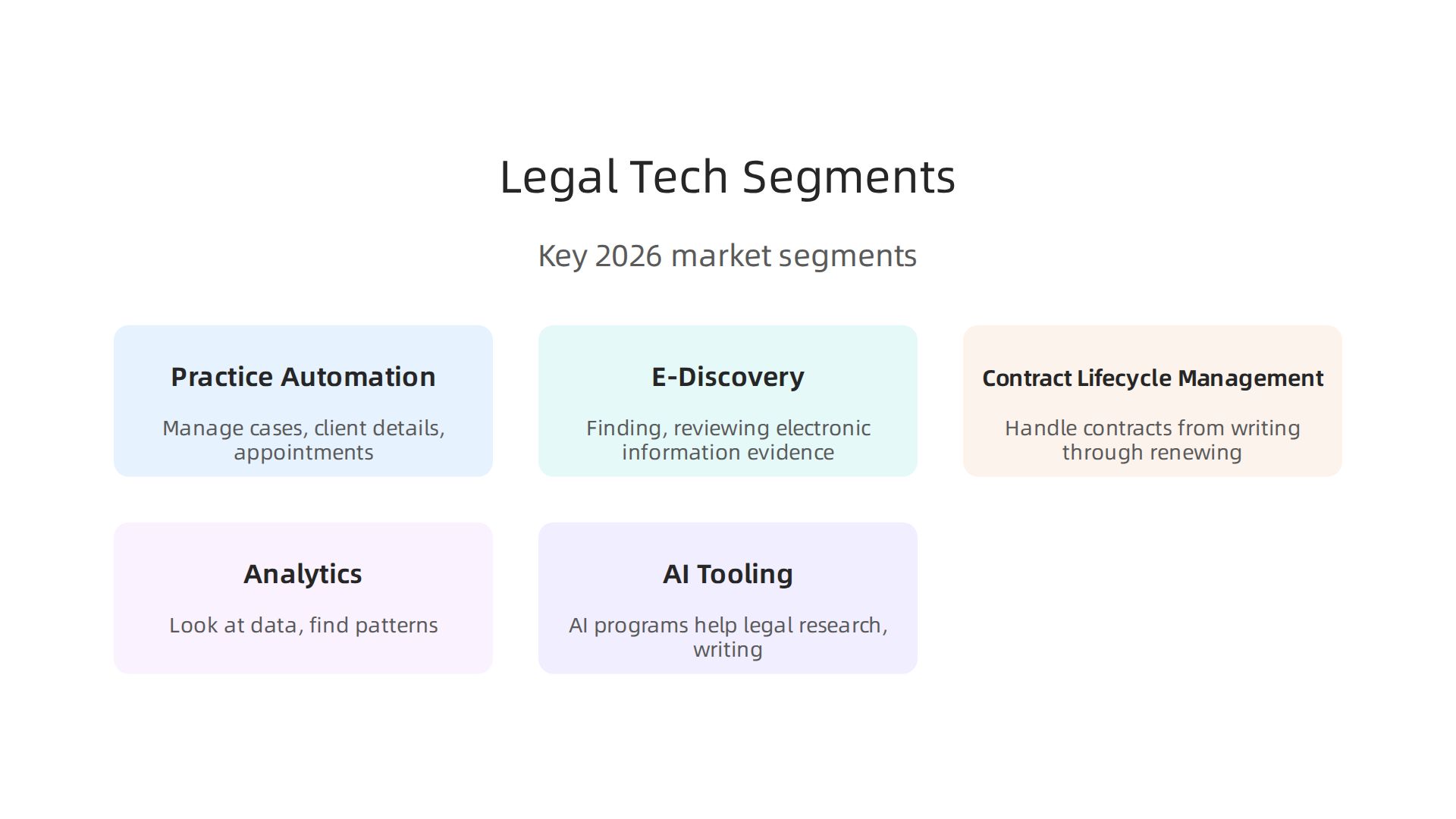
Each segment offers special tools for different jobs:
- Practice Automation: These tools help lawyers with everyday tasks like managing cases, client details, and appointments. They make things run smoother, freeing up time for more important work.
- E-Discovery: This is about finding and reviewing electronic information (like emails or documents) that can be used as evidence in court cases. It’s a big job, and these tools make it much faster.
- Contract Lifecycle Management (CLM): CLM tools help legal teams handle contracts from when they are first written all the way through signing, managing, and renewing them. They ensure everything is done correctly and on time.
- Analytics: These tools help lawyers look at lots of data to find patterns and make smarter choices. They can predict outcomes or find important information quickly.
- AI Tooling: This is the newest and fastest-growing part. It includes all the Artificial Intelligence programs that help with tasks like legal research, writing drafts, or summarizing documents.
All these different parts together make up the legal technology solutions group. They offer many ways for legal teams to work better and faster.
How Do Legal Professionals Buy and Use Tech?
The way people buy and use legal tech is also changing a lot. We see different habits depending on the size of the law firm or the type of legal team.
- Firm Size Matters: Solo lawyers and small law firms are really jumping into AI. Reports show that a high number of solo practitioners (71%) and small firms (75%) are using AI. Mid-sized firms are even more involved, with about 86% using AI tools. Even big top law firms are making AI a core part of their work. This shows that everyone, from the smallest to the largest, sees the value in these new tools. A recent look at surveys points out just how widespread AI adoption is across law firms of all sizes, showing solo and small firms have very high rates of using AI, with mid-sized firms leading the way in integrating it into their practices, according to By The Numbers: What Surveys Show About Law Firm AI Adoption.
- Corporate Legal Teams: Legal departments within companies are also big users of legal tech. They use AI to manage their internal legal work, ensure compliance, and support business goals.
- Buying Methods are Changing: Instead of buying one big software program, many legal teams now get their tech through subscriptions (called Software as a Service, or SaaS). They might also buy groups of tools in "platform bundles" that work well together. This makes it easier to get started and keep software updated.
Understanding these trends in the legal market landscape report is key. It helps legal leaders make smart choices about technology and talent.

It also gives insights into roles like business lawyers and helps answer questions about Maximizing Your Business Law Lawyer Salary in 2026 in this changing work world.
The quick adoption of AI and other smart tools is not just changing how legal work is done; it’s also reshaping what lawyers do every day and the value they bring. This shift is clearly highlighted in every legal market landscape report we see in 2026.
How AI and Automation Are Reshaping Legal Work and Value Delivery
AI and automation are moving from being just an idea to a key part of how law firms and legal teams work. In 2026, we see AI becoming a core part of daily tasks, not just an experiment, as noted in analyses of 6 Data-Backed Shifts in How Law Firms Adopt AI.
Here are some main ways these technologies are being used:
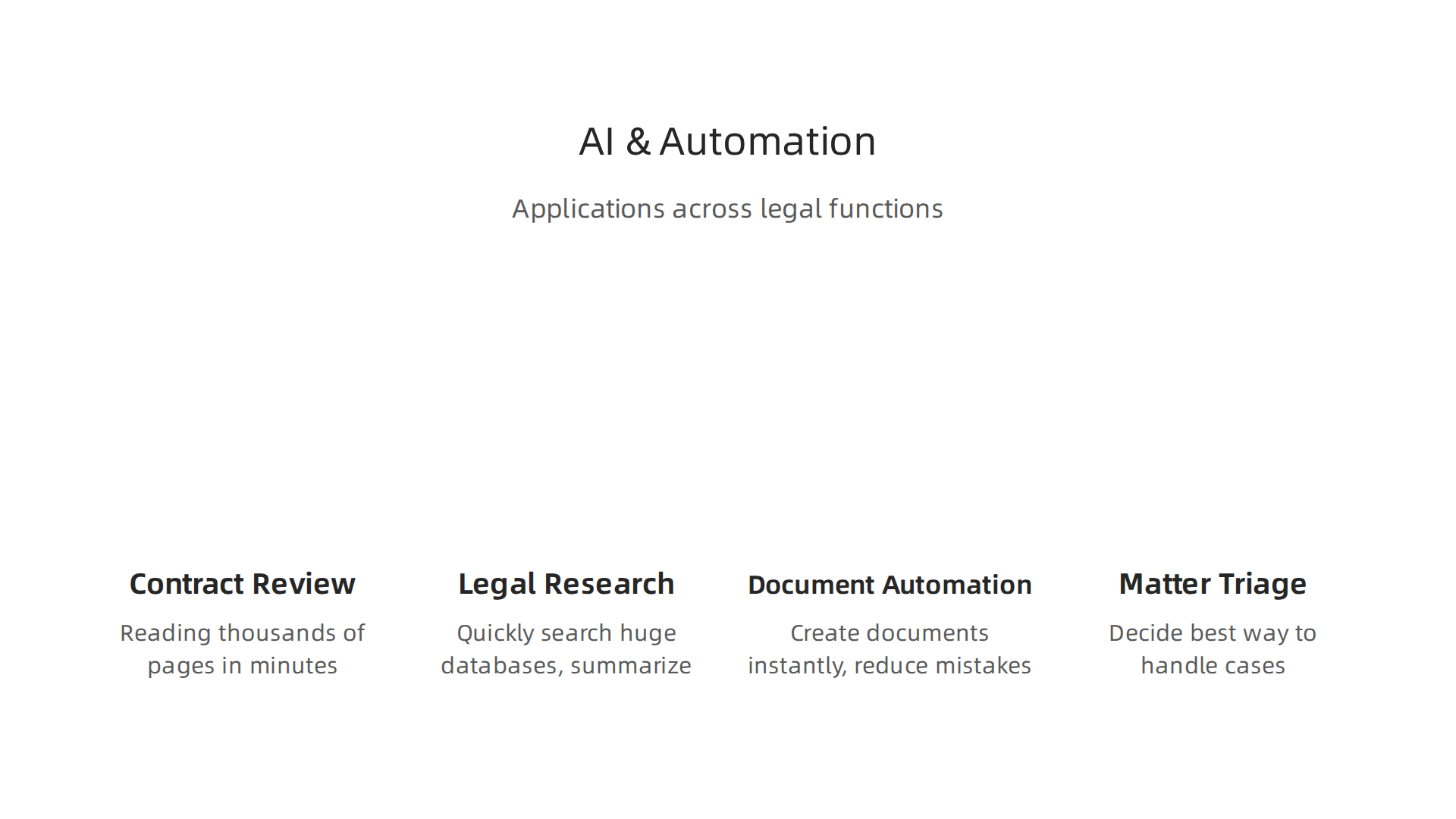
- Contract Review: Imagine reading thousands of pages of contracts in minutes. AI tools can do this, finding important details, pointing out risks, and making sure everything follows the rules. This is a big help for legal teams, and document review is a top area where AI makes a difference, according to an AI and Legal Tech Forecast for 2026. For example, new solutions for AI contract analysis for legal teams are making this process much faster.
- Legal Research: Before AI, lawyers spent hours sifting through old cases and laws. Now, AI can quickly search huge databases, find the most relevant information, and even summarize it. This greatly helps legal research, letting professionals master legal research databases in 2026 with AI and smart search techniques.
- Document Automation: Many legal documents, like agreements or court filings, follow certain patterns. Automation tools can create these documents almost instantly by filling in details, saving a lot of time and reducing mistakes.
- Matter Triage: When a new client comes in or a new case starts, AI can help legal teams decide the best way to handle it. It can sort cases by how urgent they are, what kind of legal help is needed, and which lawyer is best suited for the job.
These practical uses show how the whole legal technology solutions group is helping legal professionals work smarter, not harder.
What Does This Mean for Daily Legal Work?
The rise of AI and automation has two big effects:
- Efficiency Gains: Legal teams can get more work done in less time. This means they can serve more clients, handle bigger projects, and focus on the parts of the job that really need human thought and judgment. This boost in efficiency also influences how much business lawyers make, as their time becomes more valuable for higher-level tasks.
- Role Shifts and New Needs: With machines handling routine tasks, lawyers are stepping into new roles. They become more like strategists, advisors, and problem-solvers. This change means lawyers need new skills, like understanding technology and how to oversee AI tools to ensure they’re accurate and ethical. This evolution in the profession means how technology reshapes the attorney role is a key topic for discussion in publications like the New York Law Journal.
Also, because AI is still learning, there’s a need for careful checking of its outputs. Legal teams must make sure the information and drafts from AI are correct and fair. This adds new layers of oversight to legal work. Many top law firms are already setting up rules and training programs for using AI safely and effectively.
Staying on top of these changes is important for any legal professional.
The fast changes in legal tech can be hard to follow, but knowing what’s new helps you stay ahead.
The AI Newsletter Worth Reading
The changes in legal technology, especially with AI, are not just about how lawyers do their jobs. They also greatly affect how much lawyers earn and how their pay is structured. In 2026, the pay landscape for legal professionals is shifting, reflecting new demands and ways of working.
A recent look at the Lawyer Salary Guide – 2026 Edition shows that the median salary for lawyers in the U.S. is around $151,160 per year. But this number can change a lot based on many factors. Some reports, like "The Complete Attorney Compensation Report 2025-2026," suggest the national average is even higher, reaching around $176,470 in 2025 for attorneys, with some experienced lawyers earning much more. This wide range means it’s important to look at the details.
Where Compensation Is Shifting
Lawyer pay isn’t just one number; it changes a lot based on a few key things:
- Specialties: Some areas of law pay more than others. For example, lawyers in big business law or patent law often earn more than those in public service roles. Knowing these differences can help professionals aiming for higher pay understand the highest paid types of lawyers. This is a vital part of any detailed legal market landscape report.
- Experience Level: New lawyers typically start at a lower salary, while those with many years of experience and a strong track record command much higher rates. The First Year Lawyer Salaries: A 2026 Guide mentions that starting salaries can be as high as $225,000 in top legal markets for those just beginning their careers.
- Billing Models: Traditionally, lawyers charged clients by the hour. This "billable-hours" model still exists, but many firms are now using different ways to charge. They might offer fixed fees for certain services or value-based pricing, which means clients pay for the results, not just the time spent. These alternative methods can change how much a lawyer earns and how their work is valued.
Key Drivers of Lawyer Pay
Several big factors influence lawyer compensation in 2026:
- Market Demand: If there’s a high demand for lawyers in a certain field, like tech law or data privacy, those lawyers will likely earn more. This demand can change quickly as new laws come out or new business areas grow.
- Automation’s Impact: As we saw earlier, AI and automation are taking over many simple, repetitive tasks. This frees up lawyers to focus on more complex work that requires human judgment. Because their time is now spent on higher-value tasks, it can positively influence how much business lawyers make. This means their expertise becomes more valuable, leading to better pay for specialized legal services.
- Where You Work: Location matters a lot. Lawyers in big cities like New York or Los Angeles generally earn more than those in smaller towns. This is because the cost of living is higher, and there are often more large law firms and big companies that can pay more. This geographic difference is always a main point in any discussion about the average attorney salary in 2026.
- Client Pricing Pressures: Clients today are very smart about how they spend money on legal help. They want good value and clear costs. This pressure from clients means law firms must be efficient and sometimes offer competitive prices, which can also affect lawyer salaries. The goal for any top law firms is to balance client expectations with fair compensation for their talented legal team.
Understanding these benchmarks and drivers helps legal professionals navigate their career paths and manage expectations about earnings in this fast-changing environment.

With legal jobs changing and salaries shifting in 2026, law firms and legal departments need to be smart about choosing and using new legal technology. It’s not just about getting new tools; it’s about picking the right ones and making sure they fit well into how legal work gets done. A careful approach helps firms stay strong in the current legal market landscape report.
Selecting and integrating legal tech: procurement, evaluation criteria, and vendor due diligence
Bringing new technology into a law firm means thinking carefully about how you get it. This process is called procurement. It involves understanding your firm’s needs, finding tools that can help, and then choosing the best one to grow and adapt. Experts suggest that when buying new technology, it’s good to work closely with both legal and finance teams, as highlighted in a guide on Buying new technology.
Evaluation Checklist
When looking at new legal tech, there are key things to check:
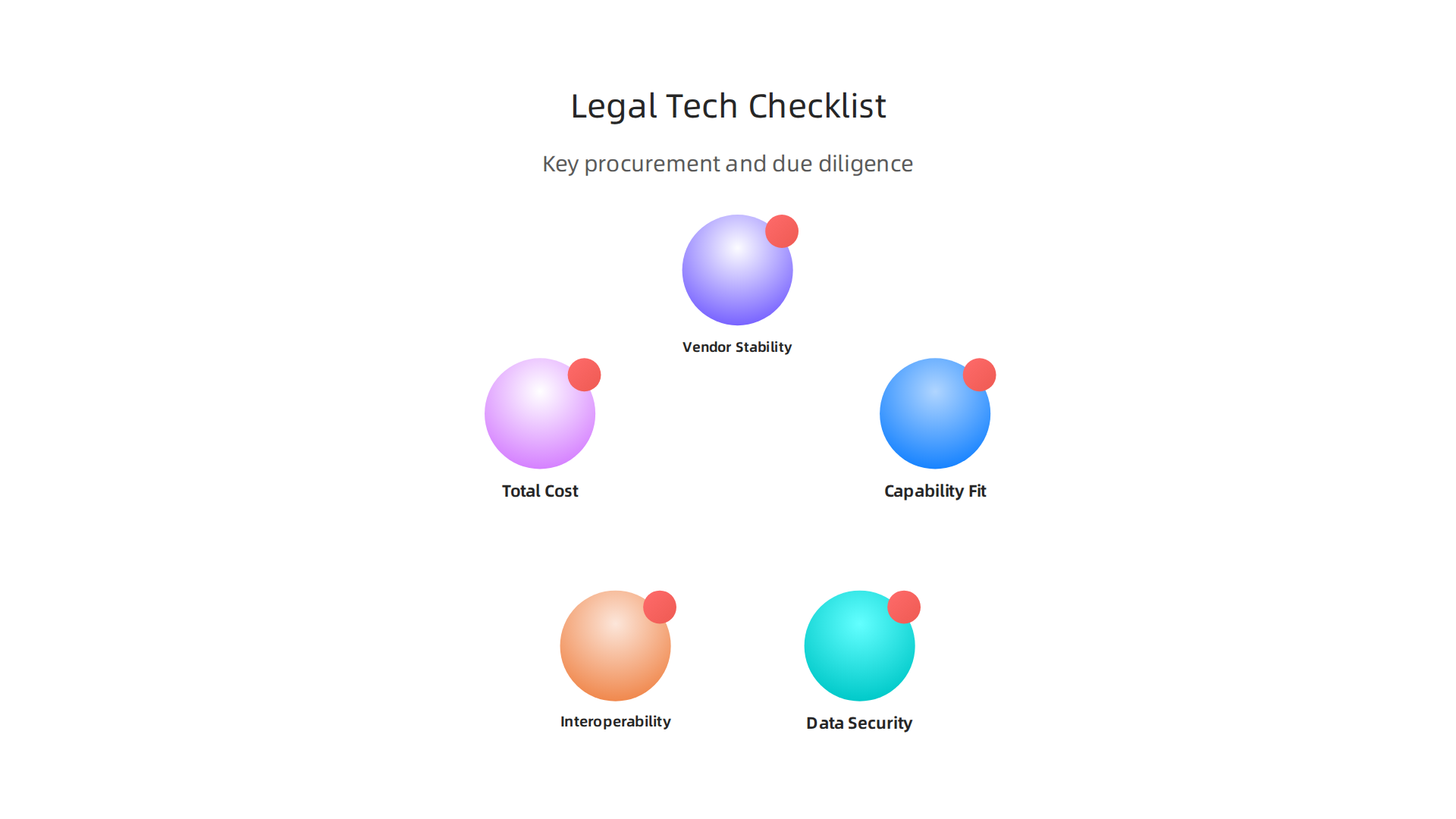
- Capability Fit: First, does the tool actually solve a problem for your team? You need to make sure it can do what you need it to, like manage contracts better or speed up legal research.
- Data Security: How safe is your client’s information with this new tech? This is super important. With more digital tools, keeping data safe from hackers and following privacy rules is a top concern in 2026. A 2026 Forecast Report – Data Security and Compliance Risk stresses how critical this is for any legal technology solutions group.
- Interoperability: Will the new tool work well with the systems you already have? It’s like making sure new puzzle pieces fit with your old puzzle. Tools should talk to each other easily so you do not create more work.
- Total Cost of Ownership: The price tag is not the only cost. You need to think about all the costs over time. This includes setting it up, training staff, and keeping it running. A smart legal tech procurement guide always looks at the full picture, not just the upfront fee.
- Vendor Stability: Is the company that makes the software reliable? You want to pick tools from companies that will be around for a long time to offer support and updates. This helps ensure your firm’s tech investments are secure, especially for those aiming to be top law firms.
Integration Patterns
Once you pick a tool, bringing it into daily work needs a plan.
- Phased Pilots: Do not just roll out new tech everywhere at once. It is often best to try it out with a small group first, like a test run. This is called a phased pilot. This lets you see how it works and fix problems before everyone uses it. A guide for modern legal professionals suggests starting with a small team for 60 to 90 days with clear goals to measure success before a firm-wide launch, as detailed in What is Legal Tech? A Guide for Modern Legal Professionals.
- API-first Strategies: When tools are designed to connect easily with others, it is called an API-first strategy. This means they have special "hooks" that let different software programs share information. It makes integration much smoother and helps keep all your systems working together.
- Change Management and Training Paths: Finally, people need to know how to use the new tech. Good training is vital, and it is important to help everyone get used to the changes. This is called change management. Making sure your team is ready for legal education trends for 2026 and new tools helps everyone succeed.
Staying updated on new legal tech, especially AI, is crucial. For deeper daily insights into the world of legal AI and technology, consider reading The AI Newsletter Worth Reading.
Bringing new technology into your firm isn’t just about getting cool new tools. It also means making sure you follow all the rules, especially when it comes to data privacy and using smart AI tools.

This is a big part of the legal market landscape report for 2026. Ignoring these rules can cause big problems, even for the most respected top law firms.
Compliance, data privacy, and AI governance: managing regulatory risk
Legal professionals in 2026 must pay close attention to the many laws and guidelines that affect new legal technology. It is a world where old rules for data privacy meet new rules for artificial intelligence.
Understanding the Rules
Today, laws like GDPR in Europe and CCPA in California are already strict about how you handle personal data. But now, new laws just for AI are coming into play. For example, the EU AI Act is a big new rule that will change how high-risk AI systems are used, including those in legal services. These systems will need careful checks and ongoing oversight to make sure they are safe and fair. The EU AI Act’s general rules started phasing in this year, with deadlines for high-risk systems continuing into late 2027, according to a 2026 AI Legal Forecast: From Innovation to Compliance.
Different places have different rules. For instance, in the UK, the Solicitors Regulation Authority (SRA) is helping law firms understand how current rules apply to AI, rather than making brand new ones for every single AI output, as explained in the SRA AI Regulation 2026: UK Law Firms & Compliance. In the US, AI rules are still a mix of state laws and guidelines, not one big national law, making things a bit tricky for a legal technology solutions group.
Setting Up Controls for AI
To handle these complex rules, law firms need clear ways to manage their new technology. This means having good operational controls in place.
- Data Classification: You need to know what kind of data you have. Is it super secret client information or just general stuff? Sorting data into different levels of sensitivity helps you protect it properly. This is a basic step in an AI Governance Blueprint for any firm.
- Vendor Security Checks: Just like you would check any new hire, you need to deeply check the companies that make your legal tech tools. Make sure their security is strong and they follow privacy rules. Your firm’s data safety depends on it.
- Keeping Records of AI Work: When AI tools do work, like reviewing documents or helping make decisions, you need to keep a record of it. This means documenting how the AI works and keeping "audit trails" of its outputs. This helps you understand why the AI did what it did and prove it was fair, if needed. It also helps your team stay on top of new challenges. For example, you can learn more about how law firms protect sensitive client information from online threats by checking out how to defend legal data against phishing emails.
- Having a Plan: A good AI governance plan should start with listing all the AI tools you use and rating their risks. Then, you set up clear steps for approving new tools, writing down how they should be used, training staff, and doing regular checks to make sure everything is working as it should, says a Global Practice Guide for Artificial Intelligence 2026 – USA.
By focusing on these steps, law firms can use new legal tech safely and responsibly, helping them avoid risks in the changing legal world.
Bringing new technology into your firm isn’t just about getting cool new tools. It also means making sure you follow all the rules, especially when it comes to data privacy and using smart AI tools. This is a big part of the legal market landscape report for 2026. Ignoring these rules can cause big problems, even for the most respected top law firms.
Talent, hiring, and skills for the modern legal team: bridging the tech gap
For law firms to truly benefit from new legal tech and handle all the rules, they need the right people. It is not just about having computers; it is about having smart people who know how to use them and manage them. There is a growing gap between the new technology available and the skills legal teams have, a challenge often noted in the 2026 legal market landscape report.
Skills in Demand: What Modern Legal Teams Need
The legal world needs new kinds of experts.
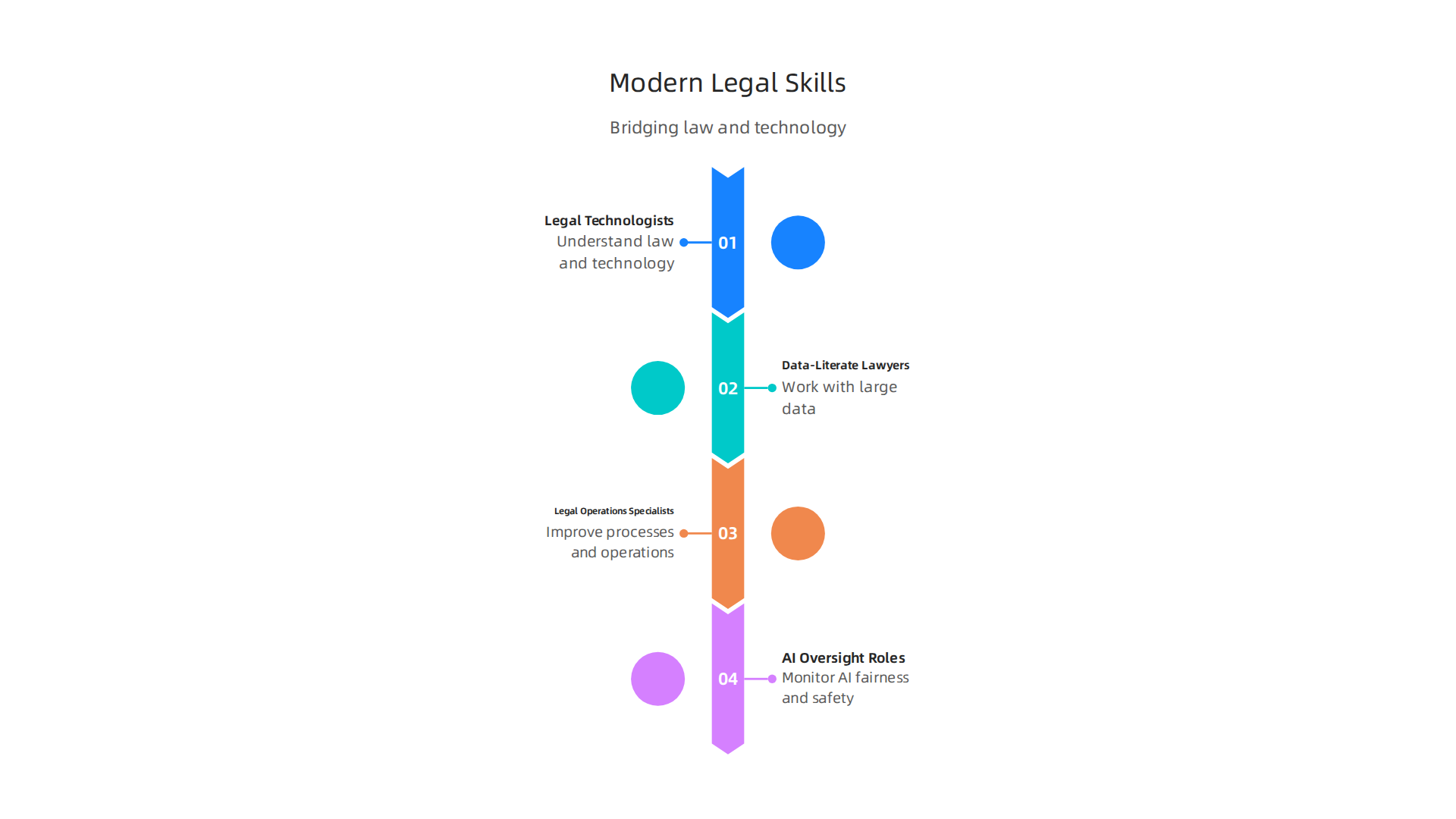
Lawyers who understand technology are now very valuable.
- Legal Technologists: These are people who understand both law and technology. They help bring new tools into the firm and make sure they work well with legal tasks.
- Data-Literate Lawyers: These lawyers know how to work with large amounts of data. They can understand what AI tools are doing and use data to make better legal choices. Many legal leaders agree that data analysis and management is a top skill for widespread AI use, as noted in a 2026 report on legal software trends from Software Advice.
- Legal Operations Specialists: These folks make sure the law firm runs smoothly and efficiently, often using technology to improve processes. Their work is key to helping any legal technology solutions group succeed.
- AI Oversight Roles: As AI becomes more common, firms need people who can watch over AI tools. These roles ensure AI is used fairly and correctly, especially in important legal decisions.
It is clear there’s a need for professionals who can mix legal knowledge with technical skills. One report shows that 79% of legal leaders see a skills gap in their teams, especially around AI tools and other legal tech, according to a 2026 study by Robert Half. This gap has become even clearer in the past year.
Hiring and Keeping Top Talent
Law firms are working hard to bring in and keep people with these important new skills.
- Upskilling Current Staff: Many firms are training their current lawyers and staff to learn new technology skills. This helps everyone grow and keeps the firm up-to-date. In fact, 60% of legal professionals expect to learn new skills within a year because of AI, according to Gitnux.
- Partnering with Tech Companies: Law firms often work with the companies that make legal tech tools. These companies can help train staff on how to use their products best.
- Fair Pay for New Roles: With new skills come new salary expectations. Firms need to make sure they are paying enough to attract and keep people with valuable tech skills. For example, the national median lawyer salary was around $151,160 in May 2024, with some top earners making much more, as reported in the Average Lawyer Salary 2026: BLS Data by State, Practice…. First-year associate salaries are even expected to reach $230,000 by 2026, according to the 2026 Attorney Salary Report. Understanding how much business lawyers make is vital for attracting top talent in those specialized areas.
Firms that invest in their people and embrace these new roles will be better set up for success in 2026 and beyond. This approach is key to staying competitive in the legal market, where technology continues to change how law is practiced.
Get clear daily AI updates from The Deep View Newsletter.
The AI Newsletter Worth Reading
Summary
The 2026 legal market landscape report explains how rapid tech shifts—especially AI—are reshaping law firms and corporate legal teams, and why leaders must respond now. The article unpacks the legal tech market by segment (practice automation, e‑discovery, CLM, analytics, AI tooling), shows who is adopting these tools (from solos to top firms), and illustrates practical uses like contract review, research, document automation and matter triage. It also examines how automation affects compensation and role expectations, offers a checklist for procuring and integrating software, and highlights critical compliance and AI governance steps. Finally, the piece outlines the new skills and hires firms need to capture value, reduce risk, and align technology with business goals so readers can make informed procurement, staffing, and governance decisions.