
Don’t Risk It: When to Hire a Traffic Lawyer for Serious Driving Offenses

Why this guide matters for clients and legal teams
When you get a traffic ticket or face a serious driving charge, it can feel overwhelming.

Many people wonder if they need a lawyer or if they can handle it themselves. This guide is here to help you understand when having a traffic lawyer on your side is really important, both for you as a client and for legal teams trying to help their clients.
Not every speeding ticket needs a lawyer. Sometimes, paying a small fine is the easiest way to go. But some traffic matters have much bigger consequences. If you’re facing charges that could lead to points on your driving record, higher insurance rates, or even losing your driver’s license, then getting legal help becomes very important. For example, studies show that having legal help can greatly increase your chances of getting a better deal in court and avoiding demerit points, much like in The impact of legal representation in Israeli traffic courts.
Think about it:
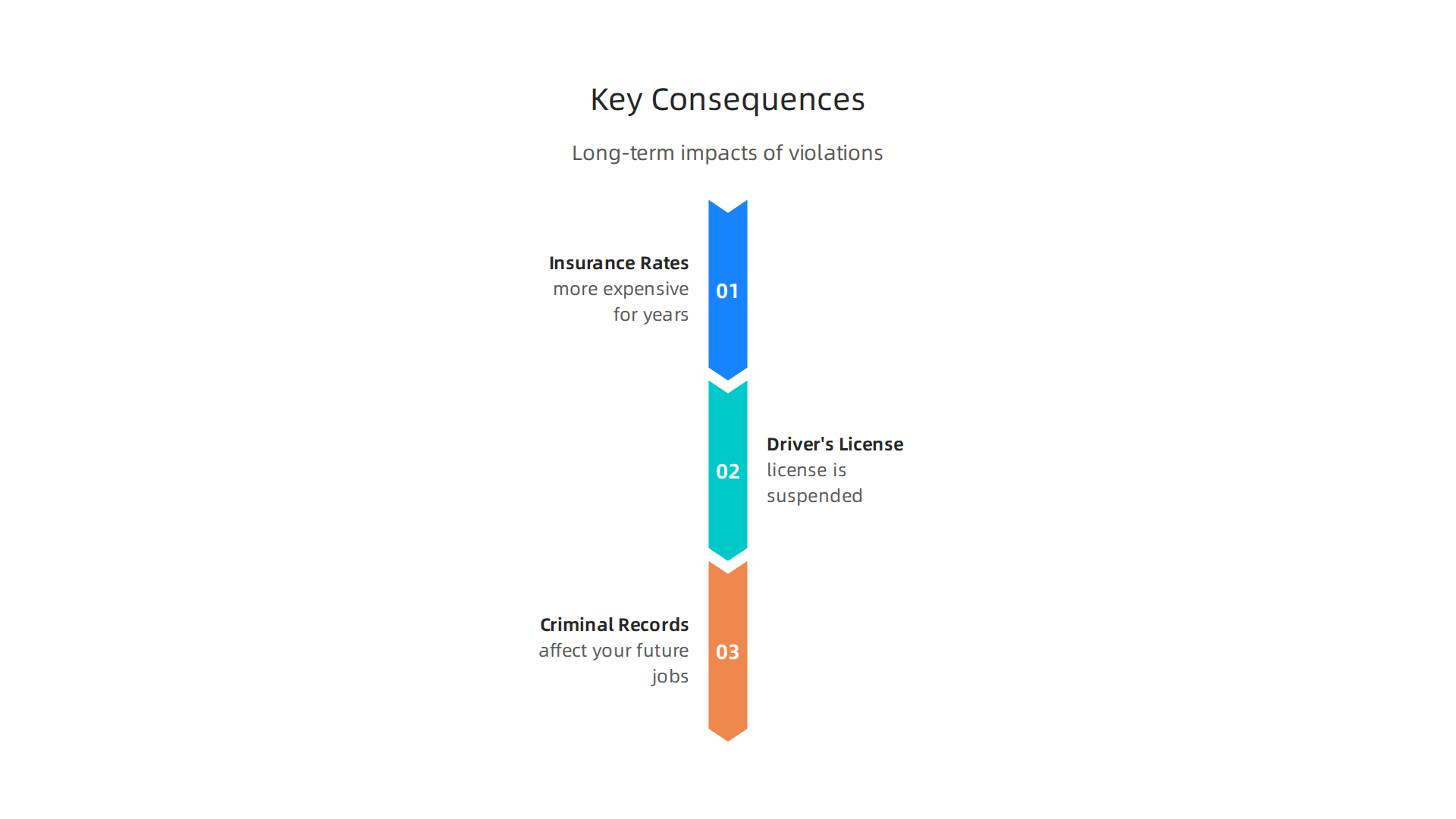
- Your Insurance Rates: Even a minor traffic violation can make your car insurance much more expensive for years.
- Your Driver’s License: Serious offenses could mean your license is suspended, making it hard to get to work or take care of your family.
- Criminal Records: Some traffic offenses, like reckless driving or driving under the influence, are criminal charges. These can stay on your record and affect your future jobs or opportunities.
This is why deciding whether to get a traffic lawyer is a big deal for many people. It’s not just about paying a fine; it’s about protecting your future. If you need to find a legal professional, you might want to learn how to use the PA attorney lookup to check their history. Understanding when to seek out a litigation lawyer near me or when to look for Washington law help can make all the difference. This guide will help you understand these important situations and how a skilled traffic lawyer can protect your rights.
Staying updated on all things legal tech can also help lawyers serve their clients better. Get clear daily AI updates by subscribing to The AI Newsletter Worth Reading.
When to hire a traffic lawyer: high-risk signals
Knowing when to get help from a traffic lawyer can be tricky. While a simple ticket might not always need one, some driving charges have serious risks that make a lawyer very important.

These are often called high-risk signals.
Let’s look at some clear signs that you should definitely talk to a traffic lawyer:
- Serious Charges Like DUI or Reckless Driving: If you are charged with driving under the influence (DUI) or reckless driving, these are not just traffic tickets. They are criminal charges. A conviction can mean jail time, big fines, a criminal record, and losing your driver’s license for a long time. Having a skilled lawyer can make a huge difference in these cases, helping you understand your options and defend your rights. In fact, many people facing serious criminal charges get legal help to ensure a fair process, as noted in a report on Defense Counsel in Criminal Cases.
- Commercial Driver’s License (CDL) Implications: For those who drive for a living, like truck drivers or bus drivers, a traffic violation can be a career-ender. Even minor tickets can put your CDL at risk, meaning you could lose your job. A traffic lawyer knows the special rules for CDL holders and can work to protect your license and your livelihood.
- Risk of License Suspension or Revocation: Beyond DUI, other offenses can lead to your license being taken away. This might include getting too many points on your driving record in a short time or charges like driving with a suspended license. Losing your ability to drive can make everyday life incredibly hard. A traffic lawyer can help fight these charges or work to reduce their impact, possibly saving your license.
- Potential Criminal Exposure: Sometimes, what seems like a simple traffic matter can have hidden criminal aspects. For example, leaving the scene of an accident, even a minor one, could lead to criminal charges. A traffic lawyer can spot these dangers and protect you from bigger problems.
- Severe Insurance Consequences: We mentioned this before, but it’s worth saying again: some tickets, even if they don’t seem like a big deal in court, can make your car insurance rates jump incredibly high. This extra cost can last for years. A lawyer can often work to get charges reduced or dismissed, which can keep your insurance costs lower in the long run.
Deciding to hire a traffic lawyer is a big step, especially when you might be looking for a litigation lawyer near me. It shows you are taking your future seriously. Studies have shown the importance of legal representation in traffic-related matters, highlighting Trends in lawyer use in road traffic injury compensation claims for example. For high-risk situations, a good traffic lawyer is not just a help, but often a necessity.
A good traffic lawyer is often a necessity, especially when you face high-risk driving situations. But what exactly are the common traffic charges that can lead to big problems, and what kind of trouble can they cause? Let’s break down some everyday violations and their legal consequences.
Speeding Tickets
Almost everyone gets a speeding ticket at some point. While a single ticket might seem minor, the penalties can add up. You’ll likely pay a fine, and points will be added to your driving record. Get too many points, and your driver’s license could be suspended. The exact fine and number of points depend on how fast you were going and where the speeding happened.
Red Light Violations
Running a red light is another common traffic offense. Like speeding, this usually means a fine and points on your license. Sometimes, these violations are caught by cameras, which can make fighting them tricky without a traffic lawyer.
Driving Under the Influence (DUI) / Driving While Intoxicated (DWI)
These are serious criminal charges, not just traffic tickets. If you’re found guilty of DUI or DWI, you could face huge fines, lose your driver’s license for a long time, and even go to jail. You’ll also have a criminal record, which can affect your job and future. A good traffic lawyer is essential here to help you understand your rights and build a defense. Prosecutors often have guides to counter common defense tactics in these cases, showing how complex they can be.
Reckless Driving
Reckless driving means driving in a way that shows you don’t care about the safety of others or their property. This can include things like really fast speeding, weaving through traffic, or racing. Penalties are serious, often including big fines, license suspension, and possible jail time. It also goes on your criminal record.
Hit-and-Run
Leaving the scene of an accident, even if it seems minor, is a very serious offense. It’s often called a "hit-and-run" and can lead to criminal charges, major fines, losing your license, and even jail time. The law sees it as trying to avoid responsibility.
How Penalties Change by Location and How a Lawyer Helps
It’s important to remember that traffic laws and penalties are different everywhere. What’s a minor offense in one state could be a much bigger deal in another. For example, rules for traffic court can vary significantly from state to state, such as the Florida Rules of Traffic Court or the Connecticut Practice Book which outlines judicial procedures.
This is where a skilled traffic lawyer becomes very important. They know the local laws and court systems inside and out. A lawyer can help by:
- Explaining the charges: Making sure you understand exactly what you’re accused of.
- Finding ways to reduce penalties: This might mean getting a charge lowered, reducing fines, or helping you avoid license suspension.
- Representing you in court: Speaking on your behalf and fighting for your best interests.
- Navigating complex systems: Especially for things like a pennsylvania attorney search to ensure you find qualified help.
Dealing with traffic charges can be confusing and stressful. Having a traffic lawyer by your side can make a big difference, protecting your rights and helping you get the best possible outcome.
If you’re interested in staying informed about legal technology and how it shapes the legal world, consider subscribing to The AI Newsletter Worth Reading for clear daily updates from The Deep View Newsletter.
A good traffic lawyer does more than just stand by your side. They actively work to build a strong defense for you. This often involves looking closely at all the details of your case to find the best way forward.
Common Ways a Traffic Lawyer Defends You
When you face traffic charges, a skilled traffic lawyer uses different plans to help. Here are some common strategies:
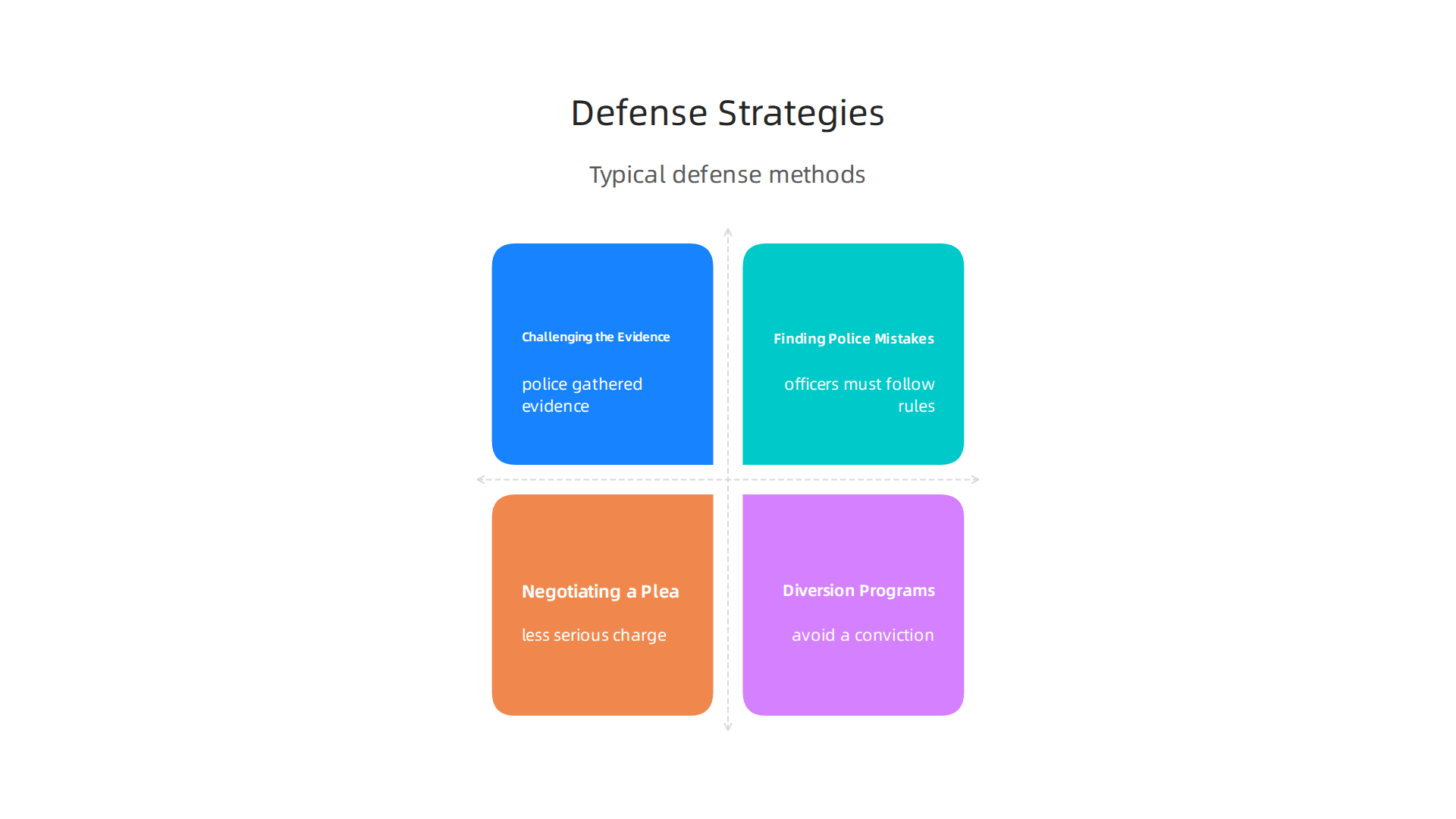
- Challenging the Evidence: The lawyer will look at how police gathered evidence. Was the radar gun working right? Was the traffic camera set up correctly? Sometimes, small mistakes in how evidence was collected can lead to charges being dropped or lessened.
- Finding Police Mistakes: Officers must follow certain rules. If they didn’t follow the proper steps during a traffic stop or arrest, your lawyer can point this out. These are called "procedural challenges" and can be very effective.
- Negotiating a Plea: This is when your lawyer talks with the prosecutor, the lawyer for the state. They might agree to a less serious charge, which means fewer points on your license or a smaller fine. For example, a speeding ticket might become a non-moving violation.
- Diversion Programs: For some offenses, especially first-time ones, a lawyer might help you get into a program that lets you avoid a conviction. If you complete the program, like traffic school, the charges might be dropped. This is a common strategy in many places.
The Lawyer’s Workflow: What Happens Step by Step
Working with a traffic lawyer usually follows a clear path:
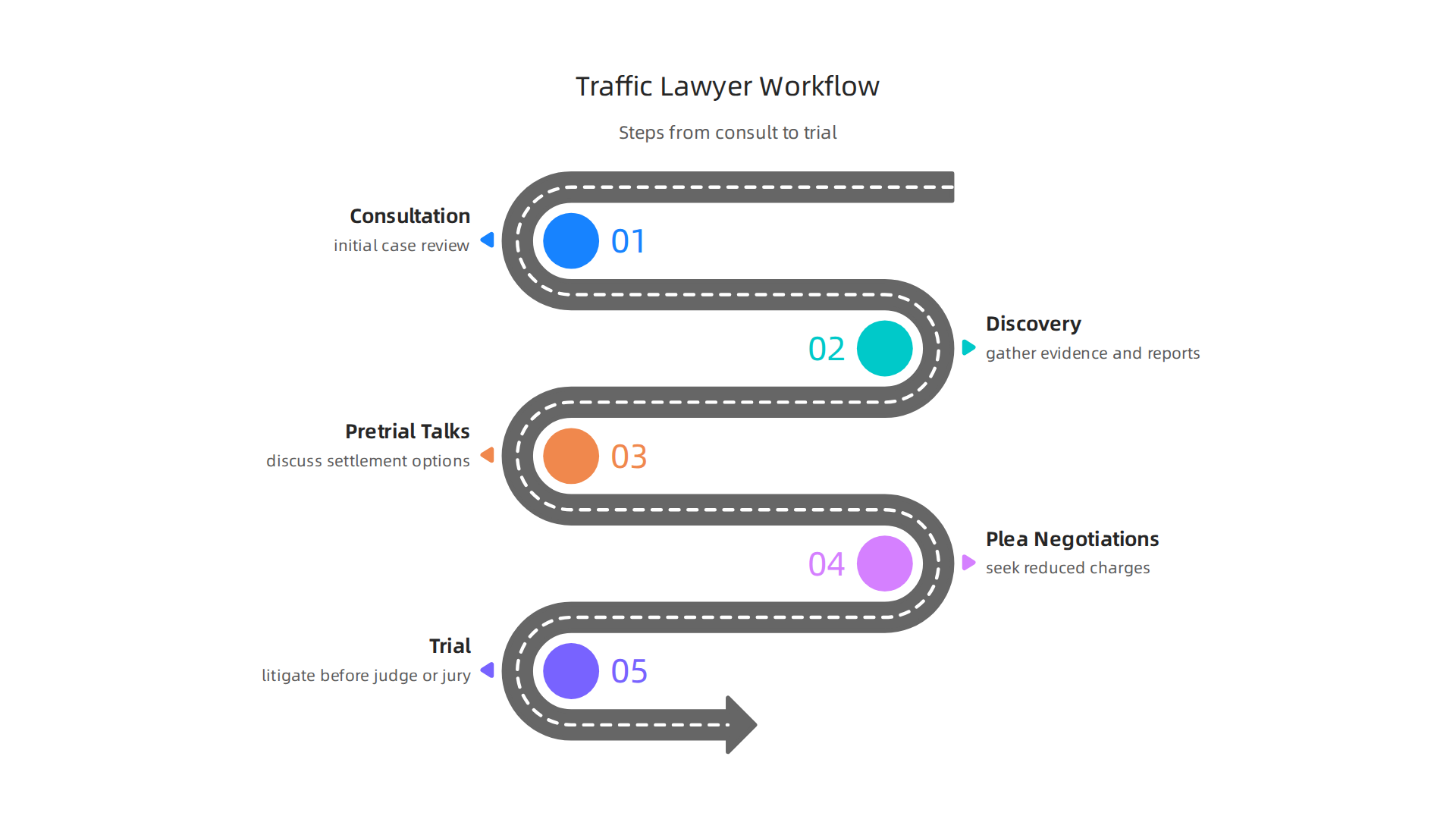
- First Talk (Initial Consultation): You meet with the lawyer to tell them your story. They listen, ask questions, and give you an idea of what might happen. They’ll also explain how they can help.
- Gathering Information (Discovery): Your lawyer will ask for all the police reports, officer notes, and any video or photo evidence. They want to see exactly what the other side has against you. This helps them plan your defense.
- Pretrial Talks and Motions: Before a trial, lawyers often talk to each other to see if they can settle the case. Your lawyer might also file special requests with the court, called "motions." These could ask the judge to throw out some evidence or even dismiss the case entirely.
- Plea Negotiations: This is when your lawyer tries to get you the best deal possible. They’ll tell you about any offers from the prosecutor, like reducing the charge or fine, and help you decide if it’s a good choice.
- Trial (If Needed): If no agreement can be reached, or if you want to fight the charges fully, your case goes to trial. Your traffic lawyer will speak for you in court, question witnesses, and present your side of the story to the judge or jury.
Finding a lawyer who knows the local traffic laws, whether you’re looking for washington law help or need a litigation lawyer near me for traffic issues, can make a huge difference in the outcome of your case. They guide you through the whole process, helping you understand your rights and options.
Finding a good guide through the legal process is important, and part of that guidance involves understanding the money side of things. It’s smart to think about the costs and benefits when dealing with traffic charges. Sometimes, paying for a professional now can save you a lot more money and trouble later.

Cost vs. Benefit: Pricing, Insurance Impacts, and Long-Term Consequences
When you get a traffic ticket, you might first think about the fine you have to pay. But there are other costs too, some of which you don’t see right away. Let’s look at all the ways a traffic ticket can affect your wallet and your life.
Direct Costs: What You Pay Upfront
The most obvious costs are the fines and court fees. These can add up, especially for more serious tickets. If you hire a traffic lawyer, their fees are also a direct cost. It might seem like more money upfront, but often, a lawyer can help you avoid much bigger costs later on.
Indirect Costs: Hidden Expenses Over Time
This is where things can get tricky. Traffic violations can lead to:
- Higher Insurance Rates: This is one of the biggest hidden costs. Even a single speeding ticket can make your car insurance premiums go up. Some sources say insurance costs can rise a lot, sometimes by 25% or more, after a ticket, and these higher rates can last for years. For example, a speeding ticket might add hundreds of dollars a year to your insurance bill. You can learn more about How Traffic Tickets Affect Insurance.
- License Points: Many states use a point system. If you get too many points on your driver’s license, you could face bigger problems, like having your license suspended or even taken away. For example, Maryland’s MVA explains how accumulating too many Driver’s License Points can lead to serious consequences.
- Job Impact: For jobs that require driving, like delivery services or truck driving, traffic violations can put your job at risk. Even for other jobs, a bad driving record might make employers think twice.
- Time Off Work: Going to court means taking time off work, which can lead to lost wages.
When a Traffic Lawyer is Worth the Investment
Deciding if a traffic lawyer is worth the cost comes down to comparing the lawyer’s fee to the potential savings and avoided problems.
Think about these points:
- Severity of the Charge: A small parking ticket is different from a serious speeding ticket or a reckless driving charge. More serious charges have higher fines, more points, and a bigger impact on your insurance.
- Your Driving Record: If you have a clean record, one minor ticket might not be a huge deal. But if you already have points or previous violations, another ticket could push you over the edge into license suspension.
- Potential Savings: A lawyer might be able to get your charge reduced or dismissed. This can save you money on fines, keep points off your record, and prevent your insurance rates from skyrocketing. For example, if a speeding ticket fine is $150, but it raises your insurance by $500 a year for three years, that’s $1,500 in extra insurance costs. A lawyer who charges $500 might save you $1,150 in the long run.
- Peace of Mind: Dealing with court and legal paperwork can be stressful. A lawyer handles this for you, reducing your worry.
Before you make a decision, it’s a good idea to talk to a lawyer. They can look at your specific situation, tell you what they think they can do, and give you an estimate of their fees. For instance, if you’re looking for help with a specific state’s laws, an expert who can assist with a Pennsylvania attorney search could be very helpful in understanding local rules and costs.
Knowing these costs and benefits can help you decide if hiring a professional is the right step for you.
Staying updated on the latest in legal processes and technology can offer a strategic advantage, whether you’re a legal professional or just curious. You can get clear daily AI updates from The AI Newsletter Worth Reading.
Once you know a traffic lawyer can help save you money and stress, the next step is finding the right one. It’s like finding a good mechanic for your car or a good doctor when you’re sick. You want someone skilled and trustworthy.
Finding and vetting the right traffic lawyer (including tech-enabled tools)
Finding a good traffic lawyer means looking for someone who knows the rules well and has helped people with similar problems before. Here’s what to check for:
- Do They Focus on Traffic Law? Some lawyers do many types of law, but a great
traffic lawyeroften works mostly on traffic cases. This means they know all the small details that can make a big difference. Don’t just pick anylitigation lawyer near meif you need help with a speeding ticket. - What’s Their Track Record? This means their history of success. Ask them about cases like yours and what the outcomes were. While they can’t promise a certain result, their past work shows what they can do.
- Do They Know Your Local Area? Laws can change from one town or state to another. A good traffic lawyer for your case should know the specific courts, judges, and laws where you got your ticket. For example, if you’re in Washington, you’d want someone who offers
washington law help. - Are They Properly Licensed? Make sure they are a real lawyer in good standing. You can usually check this with your state’s bar association. It’s important to know that professional license hearings, even in 2026, have specific rules and processes, so you want a lawyer who understands those details too. For example, you can learn more about how these issues are handled by checking resources like the 2026 Updates to Professional License Hearings in California.
Using Tech Tools to Find a Lawyer
In 2026, there are many tools on the internet that can help you find a traffic lawyer:
- Online Reviews: Websites like Google, Yelp, or specific legal review sites show what past clients think. Look for patterns in the reviews. Do people say the lawyer is good at communicating? Are they effective in court?
- Legal Marketplaces: These are websites that list many lawyers by their location and what kind of law they do. You can often filter by "traffic law" to find specialists near you.
- Court-Record Aggregators: Some advanced tools let you see public court records. This can show a lawyer’s past cases, but it’s often more helpful for very serious cases or for lawyers working in larger firms. For most traffic tickets, reviews and direct talks are enough.
What to Verify Manually
Even with all these tech tools, you still need to do some old-fashioned checking.
- Talk to Them: Most lawyers offer a first meeting for free or at a low cost. Use this time to ask all your questions. See if you feel comfortable with them and if they explain things in a way you can understand.
- Check Their License Directly: Always confirm their license with your state’s bar association website. This is the official way to make sure they are allowed to practice law.
- Ask About Fees: Make sure you understand how they charge and what their services include. Get it in writing if you can.
By taking these steps, you can feel confident that you’re choosing the best traffic lawyer for your situation. It’s all about making an informed decision for your legal needs. You can learn more about how to make careful decisions when choosing legal help by reviewing tips on How to Select Attorneys on Retainer for Your 2026 Legal Needs.
When you hire a traffic lawyer, it’s good to know what steps you’ll go through. The legal process for a traffic ticket or offense can seem like a maze, but your lawyer is there to guide you. Let’s look at what usually happens from start to finish.
What to expect during the traffic-case process: timeline and client responsibilities
First, you get a ticket or are arrested. This is the very beginning. Your ticket will have important dates on it, like when you need to respond to the court. Ignoring this date can cause bigger problems, like extra fees or even a suspended license.
Next, for some serious traffic issues, like a DUI, there might be two separate processes. One is with the court, and the other is an administrative hearing with the Department of Motor Vehicles (DMV). These hearings decide if your driving privileges will be taken away. For example, if you get a DUI in California, you usually have only 10 days to ask for a DMV hearing, or your license could be automatically suspended Administrative License Hearing Lawyer in San Diego, California. A traffic lawyer can help you with these deadlines and explain what happens at a DMV Administrative Hearing. After these hearings, it might take a few weeks to get the results in the mail, so patience is key DMV Hearing Results – When and how do I get them?.
Then comes the court part. Depending on your case, your traffic lawyer might:
- Enter a plea for you, like not guilty.
- Talk with the prosecutor to try and get the charges lowered or dismissed.
- Represent you at trial if you decide to fight the ticket.
Many courts, even in 2026, require you to make appointments for appearances, so the date on your ticket is usually when you must take action, not an automatic court date Traffic / Minor Offense Division | Superior Court of California.
Throughout this process, you, as the client, have important jobs too. Your traffic lawyer will need you to:
- Give them all your papers: This means the ticket, any police reports, or other documents about your case.
- Talk to them openly: Be honest about what happened and respond quickly when they reach out. This helps them build the best defense for you.
- Show up for court: If your lawyer tells you to be in court or at an administrative hearing, it’s very important that you go.
- Follow their advice: They are the experts, so listen to their guidance.
A good traffic lawyer will make sure you understand each step. They will set clear expectations about what might happen, how long it could take, and what your responsibilities are. They can answer questions like, "What if I need washington law help?" or "How can I do a pennsylvania attorney search to verify a lawyer’s background?" Speaking of finding a lawyer, you can learn more about how to check on a lawyer’s official standing by using tools like a How to Use the PA Attorney Lookup to Check a Lawyer’s License and Disciplinary History.
By working closely with your traffic lawyer and fulfilling your responsibilities, you can navigate the traffic-case process with more confidence and aim for the best possible outcome.
Summary
This guide explains when and why you should consider hiring a traffic lawyer and what to expect if you do. It walks through the high-risk signals—like DUI, reckless driving, CDL exposure, license suspension risk, and hidden criminal consequences—that make legal help essential, and it breaks down common charges such as speeding, red-light violations, DUIs, reckless driving, and hit-and-run. The article outlines common defense strategies (challenging evidence, procedural mistakes, plea deals, diversion programs), the lawyer’s workflow from consultation to trial, and the client responsibilities and timeline to follow. It also helps you weigh lawyer fees against long-term costs like higher insurance and points, and offers practical steps and tech-enabled tools for finding and vetting the right local attorney.