
Boston Law Firms Navigate Legal Tech, Talent, and Client Expectations

Why Boston matters for legal teams and what this profile will deliver
Boston is a very important city for law. It’s not just any city; it’s a special place where many smart people and companies come together.

Because of this, Boston has become a big hub for law firms that work with new technology, health sciences, and big money deals. In fact, Boston is known as one of the most competitive legal markets in the country, especially in areas like private equity and life sciences in 2026 Boston Lateral Market 2026: Precision Hiring Over Volume – LinkedIn.
This means that if you work in legal operations, or if you lead a law firm, understanding Boston law firms is key. They often lead the way in using new tools and ideas. For example, practice areas like corporate law and intellectual property have grown a lot in Boston, showing where much of the exciting legal work is happening The Boston Legal Market in Numbers.
This article is here to help you. We will give you useful information about these Boston law firms. We want to help you understand what makes them special. We will also show you a clear example of how to look at a law firm’s details by making a profile for a place like the Speaks Law Firm. This way, you can see what to look for when you need to choose a firm or understand the legal market better. Learning how to compare firms is a useful skill for anyone in the legal world, helping you make better choices, much like when you might compare law firm profiles.
Staying up-to-date on new ideas in the legal world, especially with how legal tech and AI are changing things, is super important for anyone wanting to keep their firm ahead.
Get clear daily AI updates from The AI Newsletter Worth Reading.
Boston legal market overview: size, specialties, and ecosystem
Boston’s legal market is a busy place, filled with many kinds of law firms. You will find small firms, sometimes with just one or two lawyers, known as solo or small practices. These firms often help individuals and local businesses with things like family law or real estate matters. Then there are midsize firms, which have more lawyers and can handle a wider range of cases for growing companies. And of course, there are the very large Boston law firms. These big firms have many lawyers and offices, sometimes even around the world. They often work on big, complex cases for large companies, especially in areas like finance and technology. It’s a big world out there; in 2026, the entire U.S. law firm industry has more than 400,000 businesses Law Firms in the US Industry Analysis, 2026.
Boston is also known for its strong focus on certain legal areas. Because the city is a hub for new technology and health sciences, many law firms here specialize in these fields. This means lots of work in corporate law, helping businesses with deals and plans. Intellectual property law is another very busy area, focusing on protecting new inventions and creative ideas. You will also see a lot of activity in areas like private equity and life sciences, which keep many Boston law firms very busy. The constant growth in these high-tech fields means that legal professionals in Boston are often working on some of the newest and most exciting legal challenges.
The success of Boston law firms is deeply tied to the city’s unique ecosystem. Boston is home to many famous universities, like Harvard and MIT. These schools are not just places to learn; they also create new ideas and talent that flow into the legal field. This strong academic connection helps foster legal innovation. You’ll find many startups and growing tech and biotech companies in Boston, and they all need smart legal guidance for everything from starting their business to protecting their new ideas. This close relationship between universities, businesses, and law firms makes Boston a special place for legal operations and advanced legal research Boston Legal Market.
This push for new ideas also means that many Boston law firms are leaders in using new legal technology and artificial intelligence tools to make their work faster and better. Firms like Leading Law Firms Mintz Morgan Rafferty And Rimon Embrace Technology In 2026 show how embracing innovation is key to standing out.
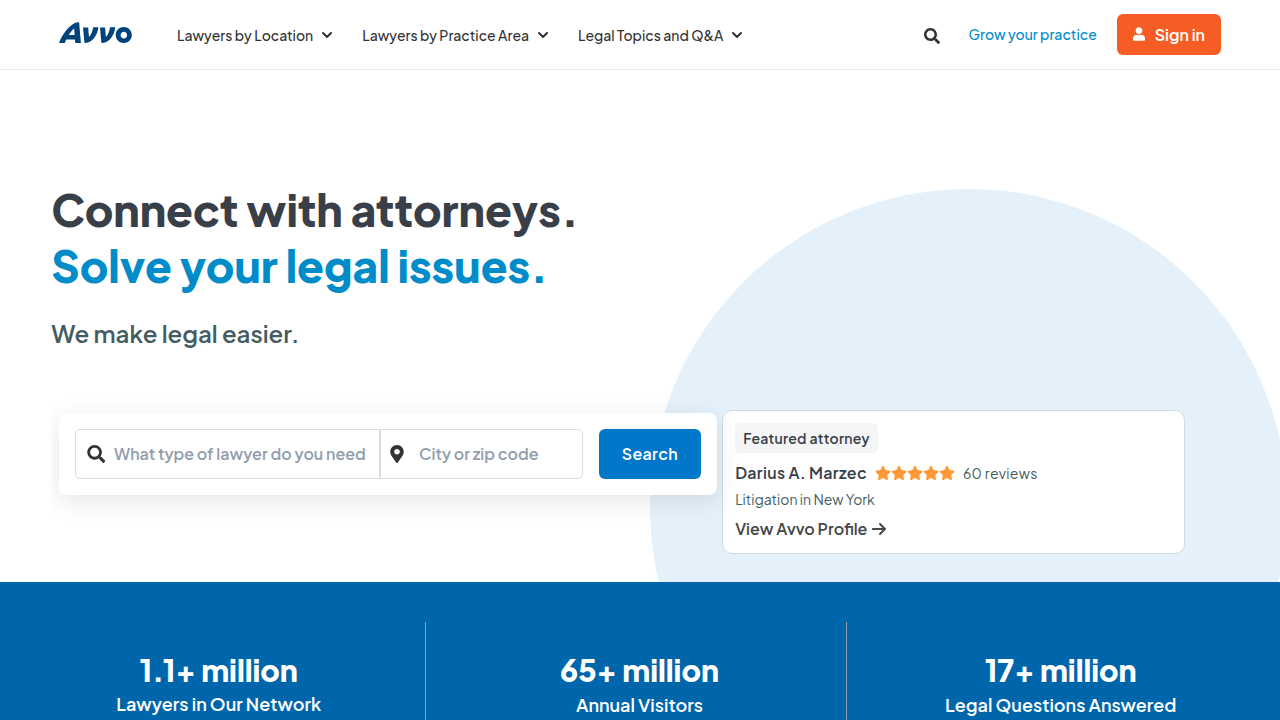
When clients look for a lawyer in this active market, they often turn to online resources. Websites like Avvo, where an attorney can list their skills and experience, are very helpful.
Firms, just like the example Speaks Law Firm mentioned earlier, must make sure their online profiles are clear and updated. Doing good legal research to understand different firms and what they offer is a key part of making smart choices, whether you’re a client seeking help or a firm trying to show your strengths. This kind of careful evaluation is also useful for legal professionals who want to master legal research databases in 2026 to find accurate information.
Speaks Law: profile template and verification checklist
As we talked about before, having a clear and helpful online profile is very important for law firms today. For any firm, like the example of Speaks Law Firm, it’s key that their information is easy to find and check. This is true for all Boston law firms, big or small. When clients or other legal pros are doing their legal research to learn about a firm, they need good details to make smart choices.
Here is a simple profile template for a firm like Speaks Law Firm, showing the important things to look for:
Speaks Law Firm Profile Template
- Firm Name: Speaks Law Firm
- Location: Boston, MA (and any other offices)
- Size: How many lawyers work there? (e.g., Small, Midsize, Large team)
- Leadership: Who are the main partners or leaders? What are their key roles?
- Core Practice Areas: What types of law do they focus on? (e.g., Corporate Law, Intellectual Property, Real Estate, Family Law)
- Key Clients (if public): Do they work with any well-known companies or have handled big cases that are public knowledge?
- Recent Initiatives: Are they doing anything new or special? This could be using new technology or helping in the community.
- Online Presence: Where can you find them online? Their website, a profile on Avvo, or social media pages are common spots. What clients want to see in these listings includes clear practice areas and photos of lawyers with their background details, according to research on Australian law firm listings: what clients want in 2026.
Your verification checklist for researchers
When you are looking into a law firm, it is a good idea to check the facts.
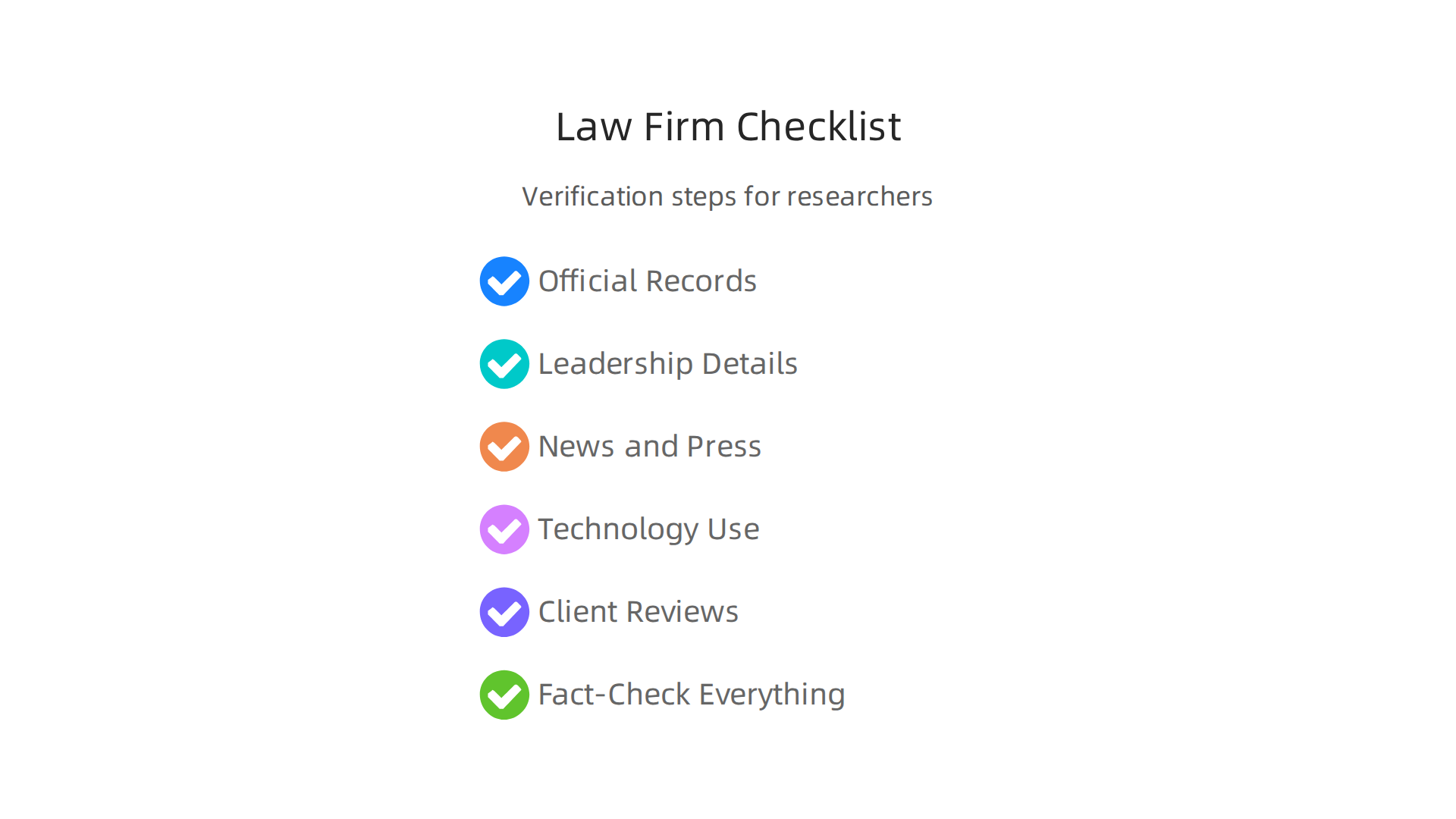
This helps you know that the information is true and up to date. Here is a simple checklist for researchers to use:
- Official Records: Always check public records. You can look at state bar directories to make sure lawyers are licensed to practice. These records are the best place to find verified law leads and attorney lists.
- Leadership Details: Look up the main lawyers and leaders. Check their school backgrounds, their job history, and if they have any special awards or recognitions.
- News and Press: Search for recent news stories, press releases, or official company filings related to the firm. This can tell you about their latest cases or business changes.
- Technology Use: Does the firm mention using new legal technology or AI tools? Firms that embrace new tech are often leaders in the field. When a firm uses technology, it’s also helpful for their online presence, helping them show up in AI Search.
- Client Reviews: Look for reviews from past clients on trusted platforms. This gives you an idea of their service quality.
- Fact-Check Everything: When doing AI BASED LEGAL RESEARCH, confirm every detail. Make sure cases or quotes mentioned are real and correctly stated. Learning How to Fact-Check Anything in 2026 is a very useful skill for this.
Being careful to verify these points helps you get a clear and true picture of any law firm, including any of the many Boston law firms. This way, you can be sure about the quality and reliability of the legal services they offer.
If you are a legal professional looking to stay current with the fast-moving world of legal technology and AI, consider reading further.
The AI Newsletter Worth Reading
How Boston firms adopt legal tech: common patterns and procurement signals
It’s clear that staying up to date with legal technology and AI is super important for lawyers today.

This is especially true for Boston law firms, who are always looking for new ways to do things better. Just like Speaks Law Firm and others in the area, firms in 2026 are finding new tools to help with their work. Let’s look at how they bring in these new technologies and what signs show they are ready to buy.
How law firms bring in new tech
Law firms usually follow a few steps when they start using new legal tech.
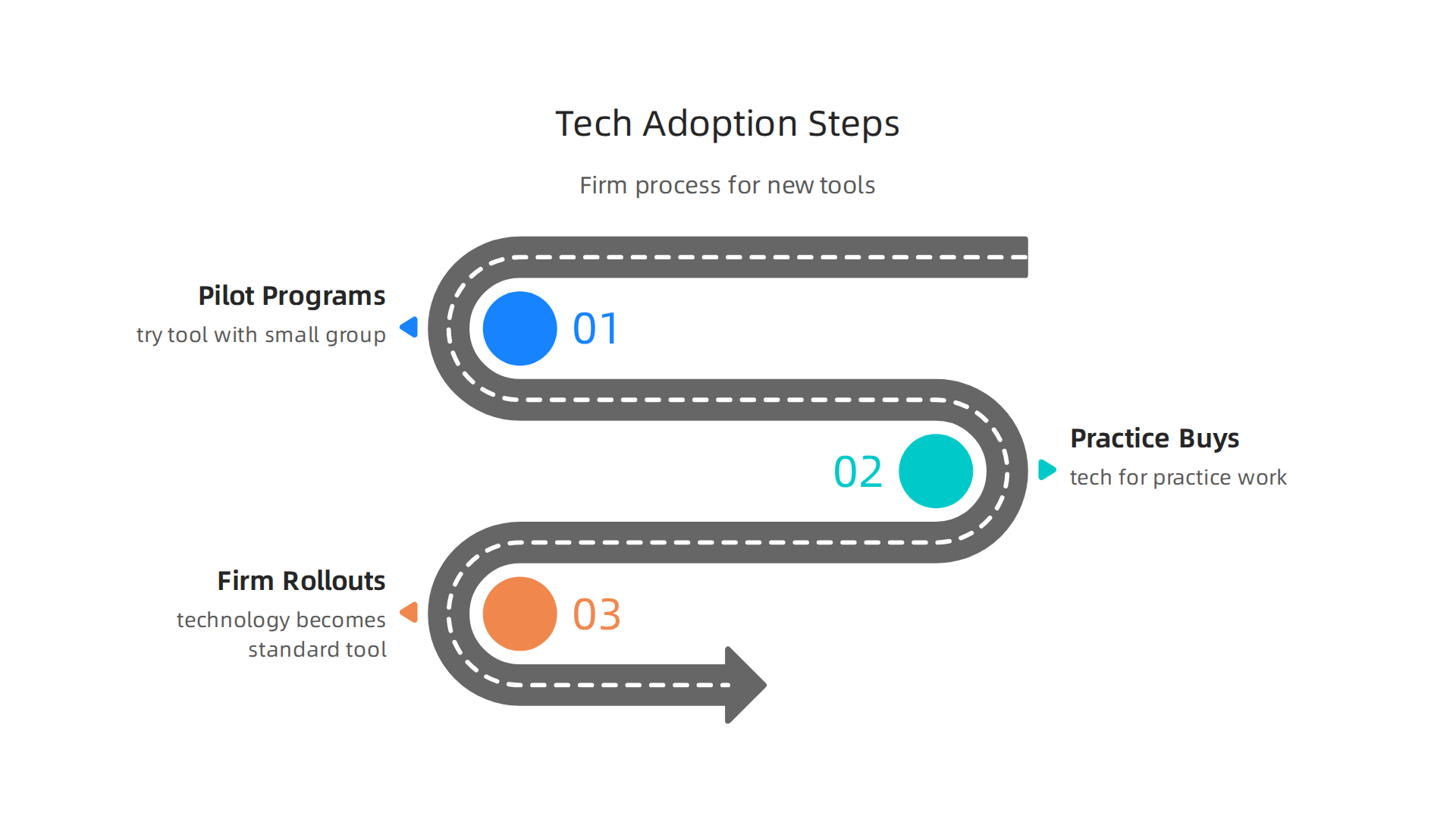
It’s not often an overnight change.
- Pilot Programs: Many firms start with small tests called "pilot programs." They try out a new tool with a small group of lawyers or on one specific type of case. This helps them see if the tech really works and if it helps their team. These trials can last for a few months to make sure the tool is a good fit. Firms are now moving past just testing to actually using AI tools across many legal teams, according to the Deloitte Chief legal Officers Report June 2026.
- Practice-Area-Driven Buys: Sometimes, a firm will buy tech for a special part of their work. For example, a team that handles big business deals might get special AI tools for contracts. Another team focused on family law might get different tools. This means the tech directly helps a specific group of lawyers with their unique needs. In 2026, many firms are shifting budgets toward tools designed for specific practice areas, moving away from general licenses for everyone, as explained in Legal Technology Spending Trends for 2026.
- Firm-Wide Rollouts: If a new tool works well in a pilot or for one practice area, the firm might decide to use it for everyone. This is called an "enterprise-level deployment." It means the technology becomes a standard tool across the entire firm, helping many lawyers at once. Going from testing to using AI tools widely across a firm is a major trend for 2026, notes The 2026 Legal Tech & AI Outlook. This helps firms improve how they use tools for things like managing cases or making Smart Content Interactive Legal Tools for Modern Law Firms.
Signs that a firm is ready to buy tech
If you’re watching Boston law firms or others in the legal world, there are clear signs that they are looking to buy new technology:
- Job Openings: Look at job ads. If a law firm is hiring for roles like "Legal Innovation Manager" or "Legal Technologist," it’s a big sign they want to use new tech. This means they are building a team to find and use these tools.
- Vendor Partnerships: Sometimes, a law firm will announce they are working with a special tech company. This means they’ve chosen a partner to help them bring in new solutions. Firms often look for partners that can help them get ready for AI, as highlighted in How to Build an AI-Ready Law Firm in 2026.
- Requests for Proposals (RFPs): Large law firms, and even smaller ones, sometimes put out an "RFP." This is like an open call asking tech companies to show them what they can do to solve a problem. It’s a formal way for firms to shop for the best tools. For example, some firms might seek the Best Legal Ai Software | Top Law Firm Tech for 2026.
- Public Case Studies: When a firm shares stories about how a new technology helped them, it’s a strong sign of adoption. They might talk about how a new AI tool made their legal research faster or helped them review contracts much quicker. These stories often appear on their website or in legal news. This shows they are proud of their tech use and want others to know. Leading firms like Mintz, Morgan, Rafferty, and Rimon are already doing this, embracing new technology to improve their work in 2026, as discussed in a piece about Leading Law Firms Mintz, Morgan, Rafferty, and Rimon Embrace Technology in 2026.
By watching these patterns and signals, you can get a good idea of how Boston law firms are moving forward with legal technology in 2026.
Client expectations and competitive pressures for Boston firms
After seeing how Boston law firms are bringing in new technology, it’s key to understand why these changes are happening. A big reason is that clients today expect more than ever before. This is especially true for big corporate clients and in-house legal teams. They are pushing law firms to offer new services and use the latest technology.
What clients want from law firms in 2026
Modern clients, especially those with sophisticated in-house legal teams, are changing how law firms work. They don’t just want good legal advice. They also want quick answers, a personal touch, and the ability to connect with their lawyers at any time. Think about how easy it is to shop online or manage your bank account with an app. Clients expect that same level of ease and speed from their lawyers.
According to some experts, clients in 2026 want law firms to be agile and deliver experiences similar to what they get from other digital services Changing client expectations for law firms. They want better connections, faster service, and clear information.

In fact, many clients now prefer digital ways to get legal help What clients actually expect from law firms – Legatics.
Clients also believe that AI tools will make legal services more efficient and lead to better engagement. They want their law firms to work more closely with them, moving past simple tasks to build a real partnership Artificial intelligence. This means law firms like Speaks Law Firm need to use technology not just to do things faster, but also to improve how they talk and work with clients.
How this creates pressure for Boston law firms
These high client expectations create strong competitive pressure among Boston law firms.
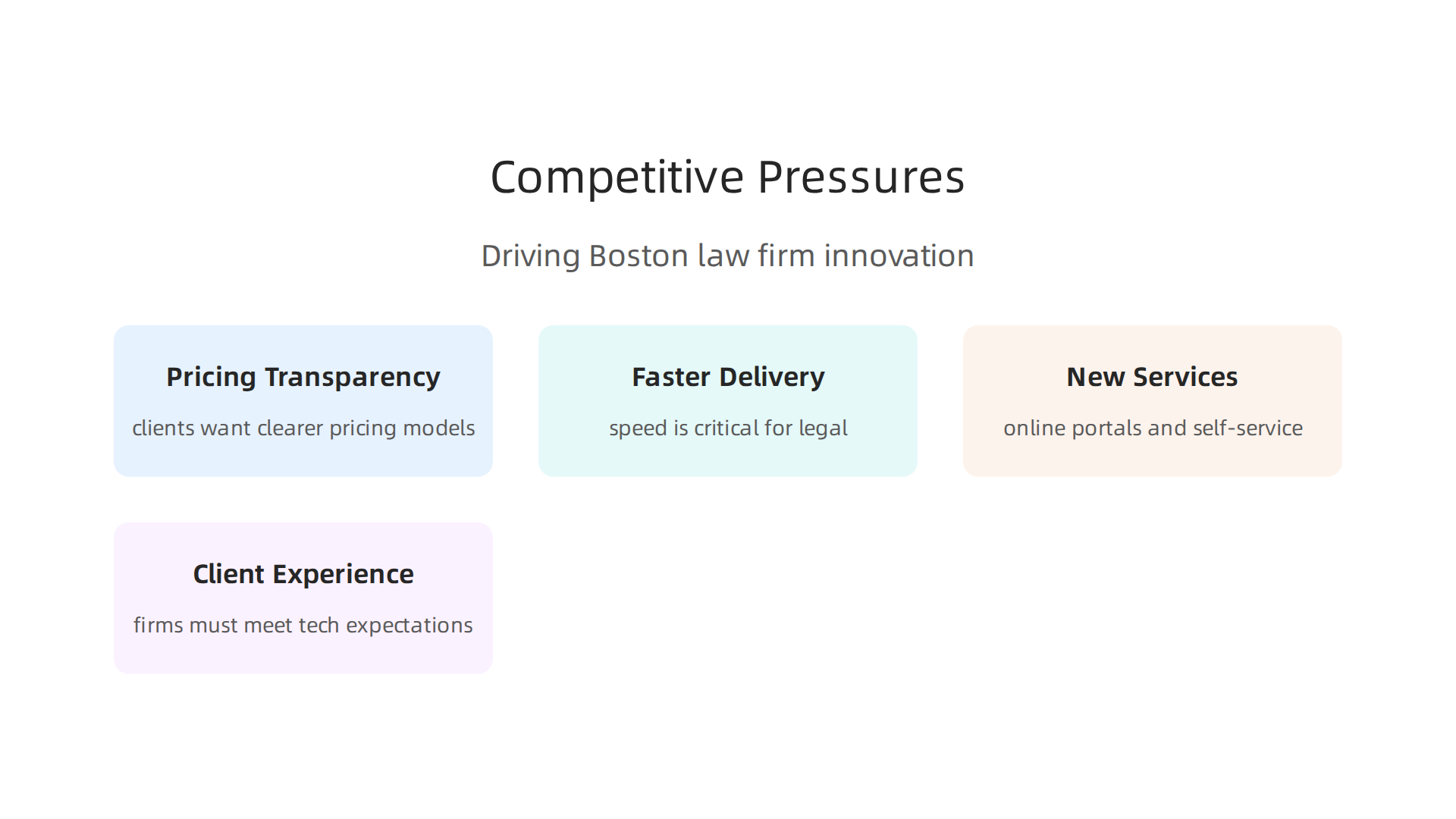
Firms must innovate in many ways to keep up and stand out.
- Pricing and Transparency: Clients are looking for clearer pricing and often push back on high rates. They want to know exactly what they’re paying for. Firms are working to offer more transparent billing and sometimes new pricing models to meet this demand How law firms can talk to clients about what really matters.
- Faster Delivery: Speed is critical. Clients expect legal work, including things like legal research, to be done much quicker than before. Law firms that use technology to deliver results faster have a big advantage.
- New Ways to Deliver Service: Firms are finding new ways to give clients what they need. This might mean using online portals for updates, offering self-service tools for simple tasks, or providing real-time communication. This focus on a better client experience requires firms to digitalize their services How law firms can (digitally) meet client expectations.
- The "Client Experience Gap": There’s a growing gap between what clients expect from technology their law firms use and what firms actually provide. This gap can even cause clients to switch law firms The Client Experience Gap: How Law Firms Are Using — and …. This makes it super important for firms to invest in the right legal tech and show clients how it helps them.
For Boston law firms, staying on top of these client demands means constantly looking for new tools and better ways to serve. Those that embrace innovation will be the ones that succeed in 2026 and beyond.
Get clear daily AI updates from The AI Newsletter Worth Reading.
Talent, hiring, and skills gaps: hiring signals for tech-savvy legal teams
To meet the changing client demands and win in the competitive legal world, Boston law firms need more than just new tools. They need the right people with the right skills. In 2026, many firms are seeing gaps in their teams because technology is moving so fast. Finding and keeping talented staff who understand both law and technology is now a top goal for many.

New kinds of legal jobs
The legal job market in 2026 is strong, but firms are being careful about who they hire. They want people with specific skills, especially those who know about technology Boston Lateral Market 2026: Precision Hiring Over Volume. Here are some key talent needs that show a firm is serious about technology:
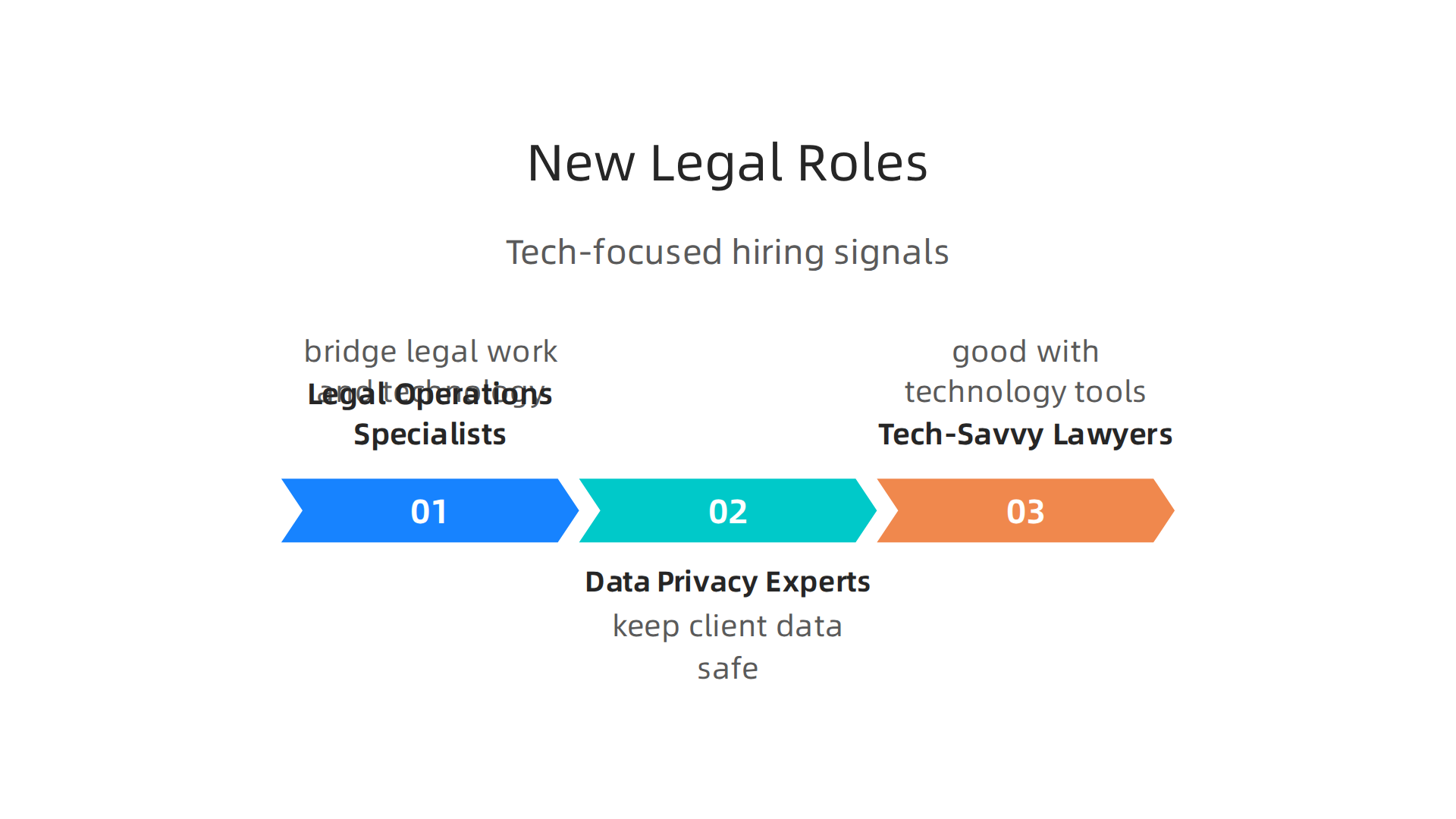
- Legal Operations Specialists: These are people who bridge the gap between legal work and technology. They help make legal processes smoother and more efficient. Their salaries have changed a lot because firms really want people who understand both legal rules and how to use tech Key Legal Operations & Innovation Talent Market Insights …. In fact, many legal departments want to hire more legal operations staff, showing how important these roles are Legal Operations Salary & Career Path 2026.
- Data and Privacy Experts: As law firms handle more digital information and use AI, they need people who can keep client data safe and make sure privacy rules are followed. These specialists help firms avoid big problems and keep clients’ trust.
- Tech-Savvy Lawyers and Staff: It’s not just new roles. Even regular associates and paralegals need to be good with technology. They need to know how to use tools for things like managing cases, reviewing documents, and doing master legal research databases in 2026 with AI and smart search techniques. Law firms are looking for lawyers who can mix their legal smarts with AI skills and business ideas Legal hiring in 2026: AI skills and strategic expertise top ….

Paralegals who understand tech are also in high demand 2026 Legal Hiring Trends AI Impact Law Firm Staffing.
How to spot tech-focused firms
If you want to know which Boston law firms are truly investing in technology and their people, look for these signals:
- New Job Titles: Watch for job postings with titles like "Legal AI Specialist," "Legal Technologist," or "Innovation Manager." These show a firm is creating new roles to handle advanced technology.
- Team Structures: See if firms have dedicated "Legal Innovation" or "Legal Operations" teams. This means they are putting real resources into making technology work for them, not just buying software.
- Training and Education: Firms that partner with local universities for ongoing training or offer certifications in legal tech are serious about keeping their teams’ skills sharp. This helps them stay ahead in a fast-changing world where the very lawyer defined 2026 how technology reshapes the attorney role.
These hiring and training signals show that firms like Speaks Law Firm are preparing for the future. They understand that technology, and the people who use it, are key to helping clients better and staying competitive in 2026.
Getting the right people with tech skills is a great start for Boston law firms. But what should legal leaders, legal operations teams, and tech vendors actually do next? In 2026, simply having smart people isn’t enough; you need smart action.
Here are some clear steps to help your firm use technology better:
Smart Choices for Legal Tech
Before bringing in new technology, especially AI tools, it’s key to have a plan.
- Look Beyond Experiments: Most legal teams are moving past just trying out AI. They are now putting these tools to real use across different legal areas Deloitte Chief legal Officers Report June 2026. This means you need to think about how a tool will work every day, not just in a small test.
- Pick the Right Tools: Start by looking at your current work. Where do things slow down? What tasks take too long? Defining your exact needs is very important before you buy software Best Legal Ai Software | Top Law Firm Tech for 2026.
- Understand How Vendors Work: Buying new legal tech can take time. For bigger firms, it might even take a year or more to complete the purchase process LegalTech SaaS Marketing 2026: Law Firms & In-House Legal …. Look for vendors who offer clear terms and make it easy to set things up. Firms are also starting to move away from paying per user and instead want to pay based on the results they get from the technology Legal Technology Spending Trends for 2026.
Planning Your Tech Trials
When you’re ready to test new tools, do it carefully.
- Start Small, Think Big: Pick just two or three main things you want the new tech to do at first. This helps you focus. Many firms find that short trials (like 3 to 6 months) are best to see how a tool really performs The 18-Month Legal Tech Sales Cycle: Why It Takes Forever ….
- Test Thoroughly: Make sure to really put the tool through its paces. This includes asking for demonstrations, running pilot programs, and checking with other users who already have the tool How to Build an AI-Ready Law Firm in 2026. Once the pilots are successful, firms like Speaks Law Firm can move from small tests to using AI across the whole firm, focusing on accuracy and training for their team members.
Keeping Client Data Safe
With more technology comes more responsibility. Protecting your client’s information is the most important thing.
- Check for Security: Before you share any data or start a technical test, make sure the vendor follows strict security rules. This includes looking for things like SOC 2 or ISO 27001 certifications. These show a company takes data security seriously.
- Follow Legal Rules: Always make sure any new tech follows state bar ethics rules and protects attorney-client privilege. This is not just good practice; it’s a must. Law firms also need to know How Law Firms Defend Legal Data Against Phishing Emails to keep everything secure.
By following these steps, Boston law firms can make sure they are not just buying technology, but truly using it to serve clients better and stay competitive in 2026. For those wanting deeper insights into the world of AI and legal technology, consider staying informed.
Get clear daily AI updates from The AI Newsletter Worth Reading.
Summary
This article explains why Boston remains a critical legal market and how legal teams, firm leaders, and vendors should evaluate and engage Boston law firms in 2026. It outlines the city’s market mix—from solo practices to large firms—and highlights specialty strengths in life sciences, corporate work, and intellectual property tied to the region’s universities and startups. You’ll find a practical firm profile template (Speaks Law Firm) and a step-by-step verification checklist to confirm credentials, leadership, technology use, and client reputation. The piece also describes common adoption patterns for legal tech—pilots, practice-area buys, and firm-wide rollouts—and the concrete signals that indicate a firm is ready to purchase. It covers client expectations and competitive pressures that push firms toward faster delivery, transparent pricing, and better digital experiences. The article finishes with hiring signals for tech-savvy talent and clear next steps for running trials, selecting vendors, and protecting client data when introducing AI and other tools.