
How to Use an NJ Attorney Lookup to Grow Your Legal Practice in 2026

Introduction
If you are a lawyer in New Jersey, you already know how important it is for clients to find you. But here is something many attorneys miss. How you show up in an nj attorney lookup can make or break your career.

Most potential clients start their search online. They type in phrases like "nj attorney lookup" or "nys attorney lookup" to find someone they can trust. And where do they go first? Legal directories.
These directories are not just phone books anymore. They are powerful tools that shape your reputation and bring in new business. A strong directory profile tells people you are real, you are licensed, and you are ready to help. A weak one? It can send potential clients straight to your competition.
The problem is that many lawyers ignore the strategic value of their directory profiles. They fill in the bare minimum and move on. That is a mistake. In 2026, a complete and optimized profile can be the difference between getting a new client and getting passed over.
This article will give you actionable insights for leveraging directories to grow your practice. We will cover which directories matter most, how to optimize your profile, and how to avoid common pitfalls. You will learn why a thoughtful approach to your nj attorney lookup presence can boost your visibility and help you stand out.
Let us start with the basics. Not all legal directories are created equal. Some drive real traffic while others just take your money. A recent study on the best legal directories for law firms shows that free listings on high-authority sites like Justia deliver more value than expensive paid upgrades on weaker platforms.
Understanding this difference is the foundation of a smart directory strategy.
And as technology changes the legal field, staying informed is more important than ever. If you want to keep up with how AI and other tools are reshaping law practice, you can get clear daily AI updates from The AI Newsletter Worth Reading. It helps legal professionals like you stay ahead of the curve.
Ready to dig deeper? Let us look at the most important directories for New Jersey attorneys and how to make them work for you.
The Role of Legal Professional Directories in Modern Practice
Legal directories have evolved from simple listings into powerful marketing tools. Today, 41% of law firms receive traffic from digital legal professional directories, according to law firm marketing statistics. Your nj attorney lookup profile actively brings in leads while also offering career insight. To see how a state directory works, read our guide on how to use a state attorney lookup.
What Are Legal Professional Directories?
Have you ever needed to find a lawyer and didn’t know where to start? Legal professional directories are websites that collect attorney profiles all in one place. Think of them like a phonebook for lawyers, but much smarter. Popular examples include Martindale-Hubbell, Avvo, FindLaw, and state bar directories. Your nj attorney lookup is one type of state bar directory. A similar tool is the nys attorney lookup for New York.
These directories pull together a lawyer’s license information, practice areas, client ratings, and reviews. This makes it easy to compare options before reaching out. Some directories even list attorney jobs or include a clear attorney definition for each practice area. In 2026, these platforms are also shaping how AI answers legal questions. For a deeper look at which directories perform best, check out the Best Legal Directories for Law Firms in 2026 guide.
Because AI now relies on directory data to recommend lawyers, staying current on tech changes matters. How to select attorneys on retainer for your 2026 legal needs can help you use directories wisely. For clear daily AI updates that affect legal tools, consider The AI Newsletter Worth Reading. It keeps you informed on shifts that impact how clients find you.
Why They Matter for NJ Attorneys
New Jersey has one of the most competitive legal markets in the country. With thousands of licensed attorneys across the state, standing out is tough. A strong presence on legal directories gives you a real edge.

Research shows that 58% of lawyers use legal directories to market their firms, and 28% say directories helped them attract more clients according to the 92 Legal Marketing Statistics for 2026 report. For NJ attorneys, that means being visible on the right platforms directly translates to more leads.
Directories also offer something most solo ads cannot: peer insights. You can see how other NJ lawyers present themselves, what practice areas they highlight, and what ratings they earn. This benchmarking helps you improve your own profile. Want to see what a strong career track looks like? Check out this guide on how to become a probate lawyer in 2026 for a real example of career progression.
Simply put, a well-managed directory profile is no longer optional. It is a must for any NJ attorney who wants to grow their practice, learn from peers, and stay ahead of the competition.
How to Use an NJ Attorney Lookup for Career Insights
An NJ attorney lookup is more than a client tool.
It reveals what your competitors are doing. Look at their practice areas, years of experience, and client ratings. You will spot which fields are growing and what clients want most. This helps you shape your own career path. For extra context on where the profession is heading, explore this guide on employment attorney 2026 skills and tools. Want to stay sharp on legal tech trends? Grab The AI Newsletter Worth Reading and keep your career moving forward.
Analyzing Competitor Profiles
Once you start using an NJ attorney lookup regularly, you will notice patterns. Look closely at how other lawyers describe themselves.
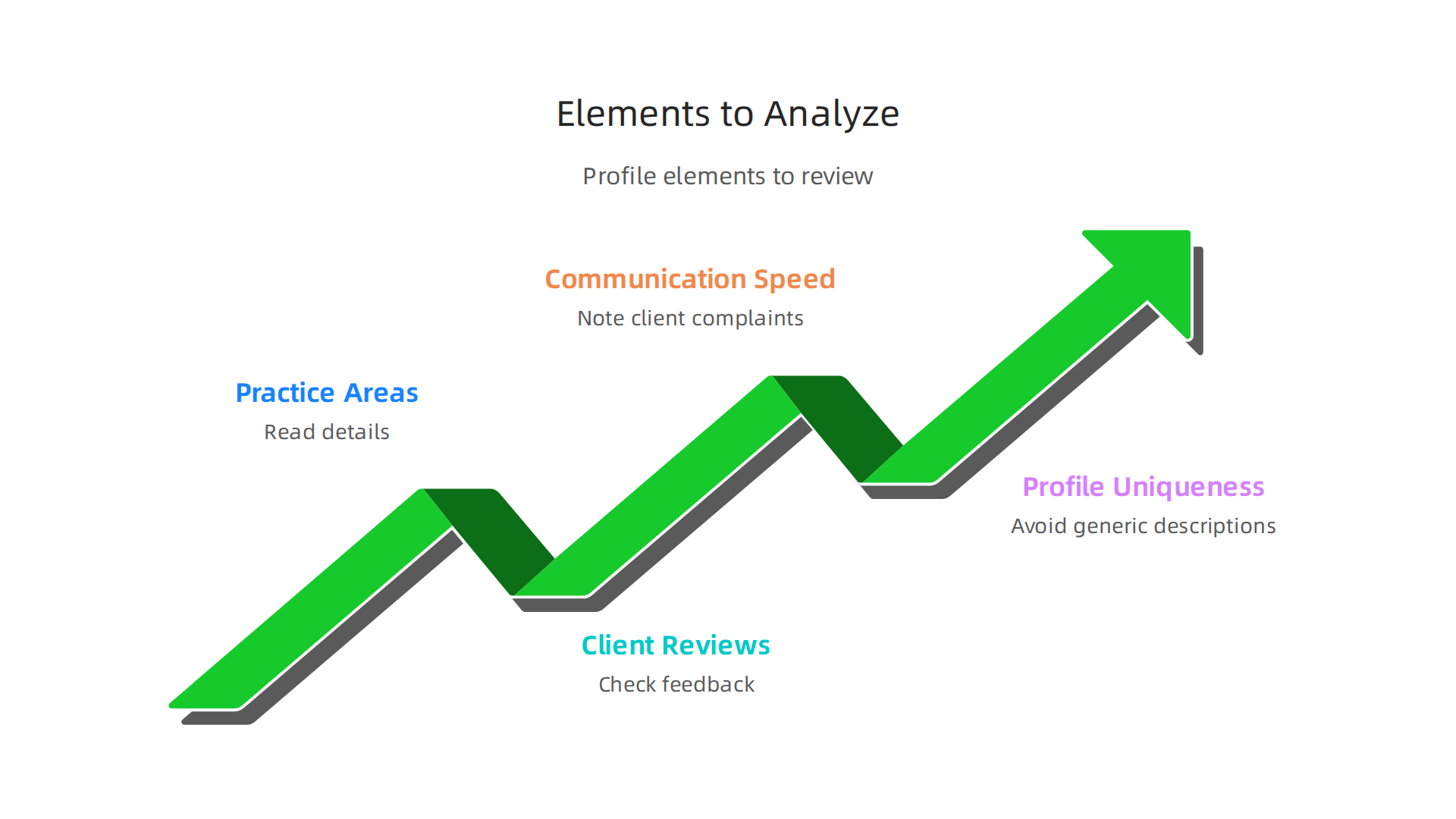
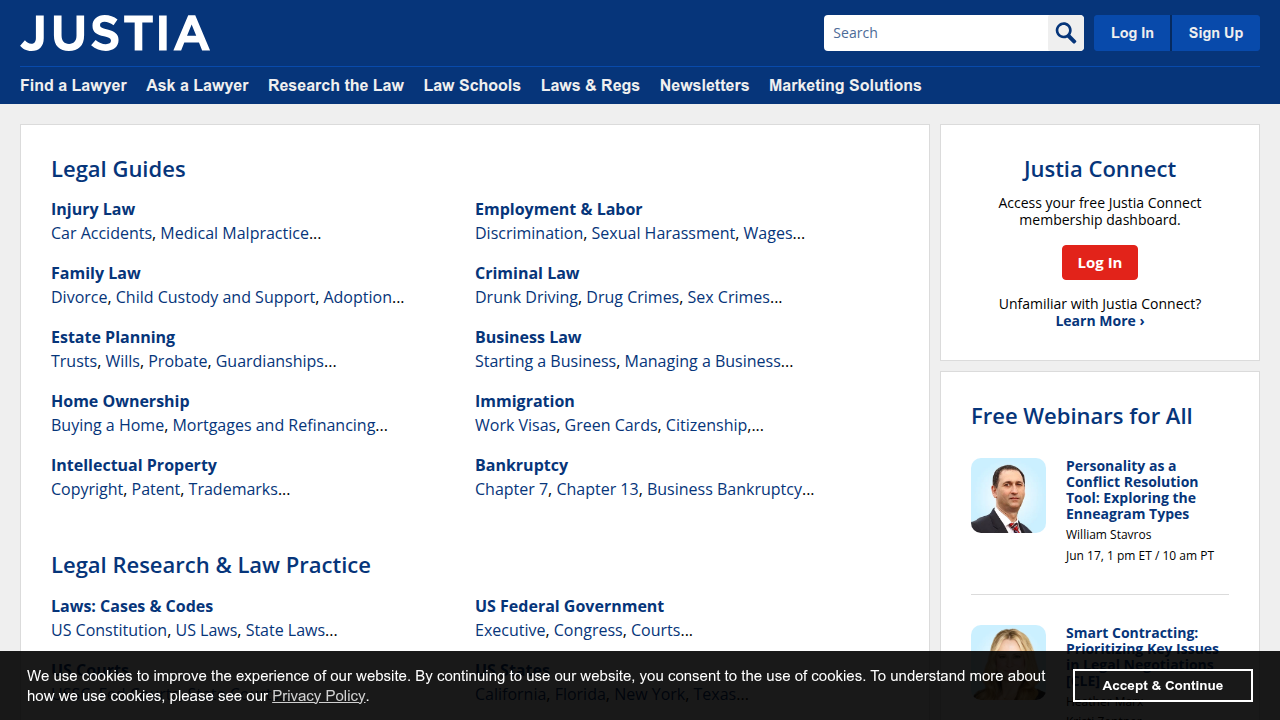
Read their practice area details and client reviews. These small pieces tell you what the market values. For example, compare listings on the Justia lawyer directory to see which specializations get the most positive feedback.
You might spot that family law attorneys in your area rarely mention remote consultations. That is a gap you can fill.
Client reviews are gold. They show what people complain about and what they praise. If competitors keep getting low marks for slow communication, you can highlight your quick response time in your own profile. Also check if their descriptions sound generic. Many lawyers use the same few phrases. Write yours differently. Show your real personality. For more ideas on standing out, read about how technology reshapes the attorney role in 2026. Use the NJ attorney lookup to find weak spots in your rivals’ profiles. Then build a stronger brand around what they are missing.
Identifying Market Gaps and Trends
Now take your NJ attorney lookup skills one step further. Look beyond what competitors say and focus on what they ignore.
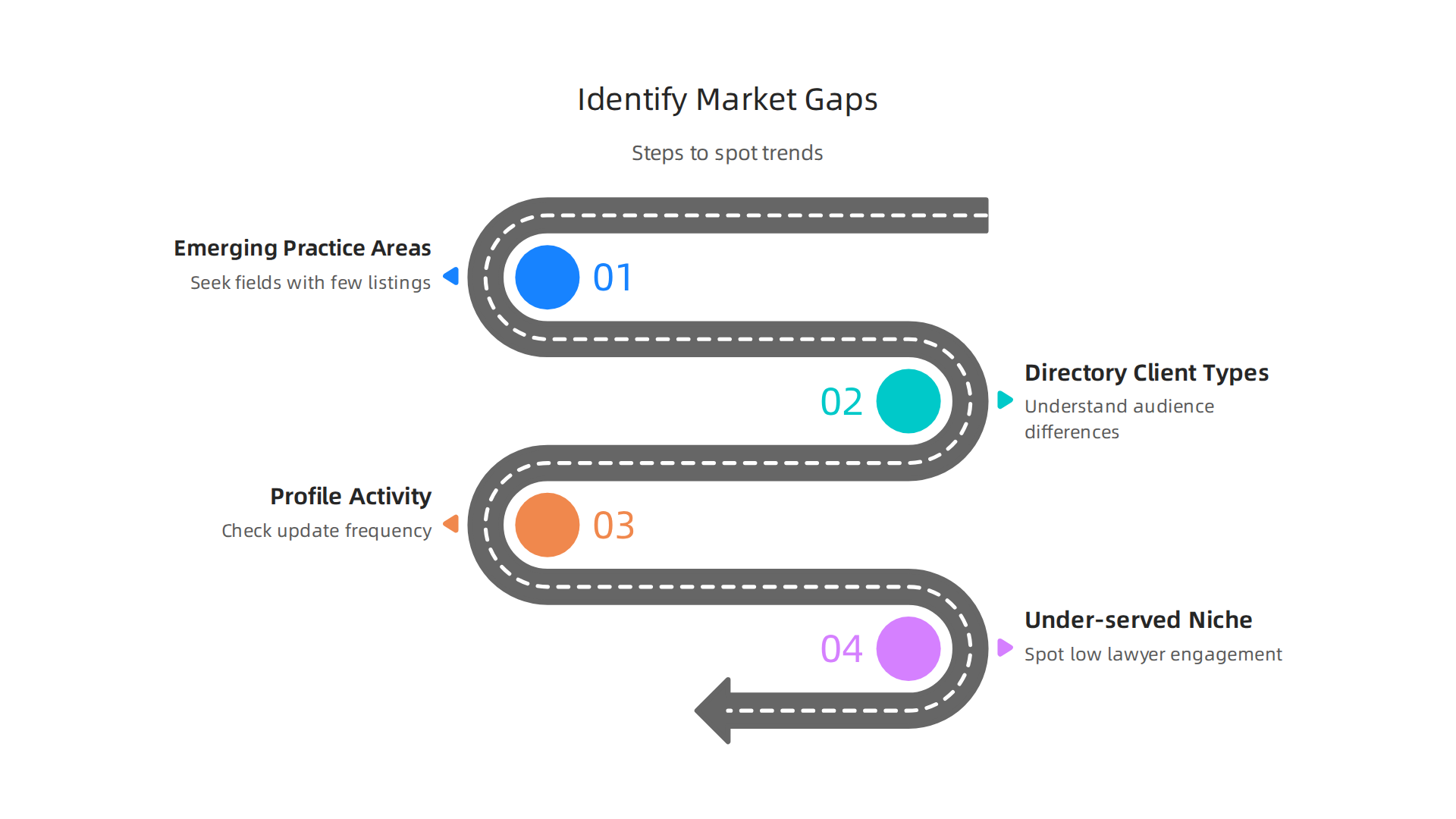
Watch for practice areas that have few listings or low competition. For example, you might find that very few attorneys in your county specialize in data privacy or cryptocurrency law. Those are emerging fields with growing demand. The 10 Best Legal Directories for Law Firms guide shows that different directories attract different types of clients. If you see a directory with lots of criminal law listings but few family law profiles, that tells you where the market needs more lawyers.
Pay attention to how often other attorneys update their profiles. A profile last updated three years ago suggests the lawyer is not actively seeking new clients or staying current. Frequent updates, like new articles or awards, signal an engaged professional. You can use the NJ attorney lookup to check date stamps on profiles and reviews. Low activity in a specific area is a strong sign of an under-served niche.
To stay ahead on emerging legal needs, follow technology trends that affect the profession. Many leading firms are adopting AI and automation tools to handle routine tasks. This shift opens opportunities for lawyers who can advise on AI ethics or data security. For daily updates on these fast-moving trends, consider The AI Newsletter Worth Reading. It delivers clear, practical insights straight to your inbox. Spotting a gap early can give you a big advantage before the market gets crowded.
Key Features of Leading NJ Attorney Directories
Not all attorney directories work the same way. Each platform has its own strengths, pricing, and audience.
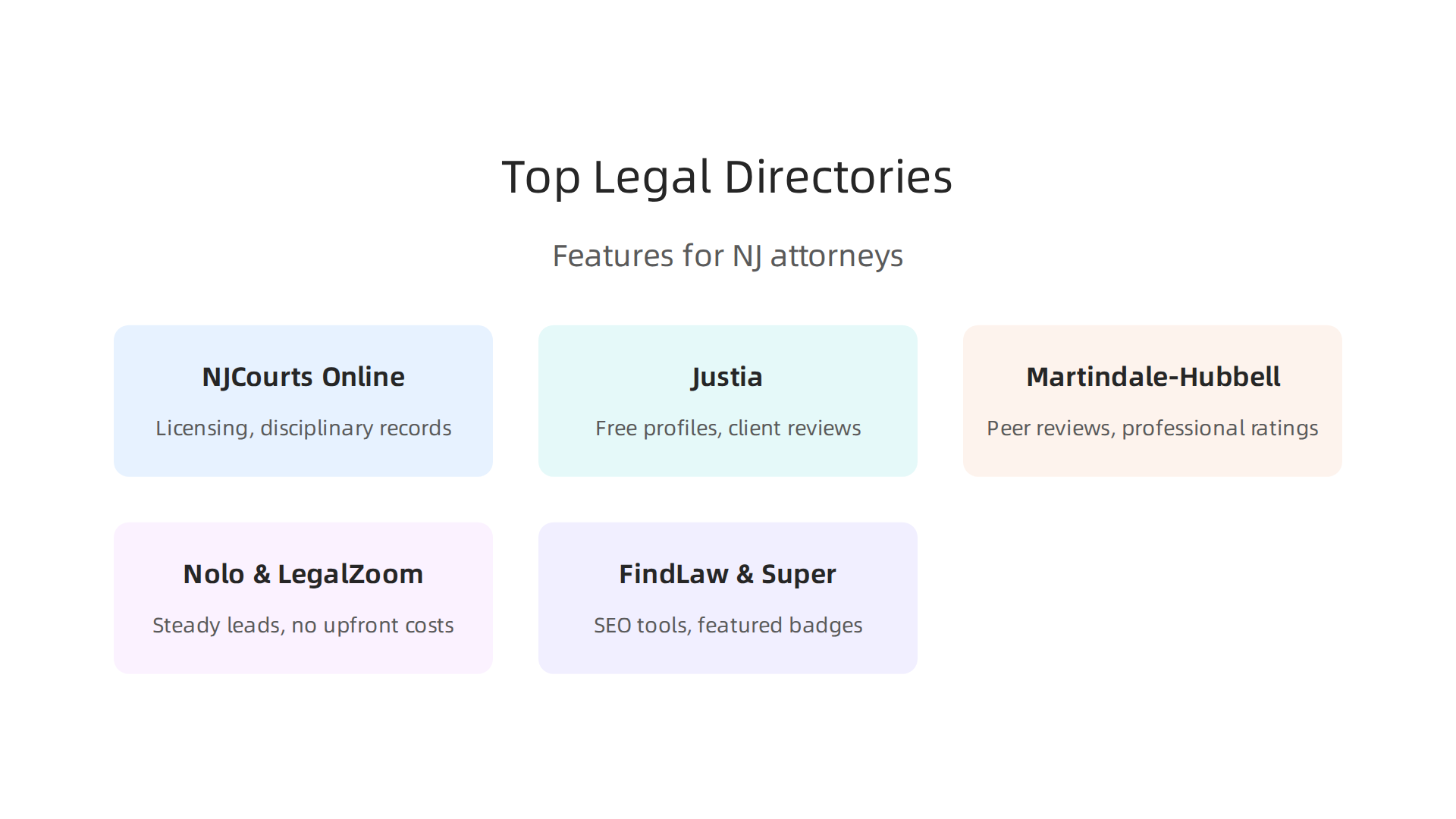
Understanding these differences helps you choose the right mix for your NJ attorney lookup strategy.
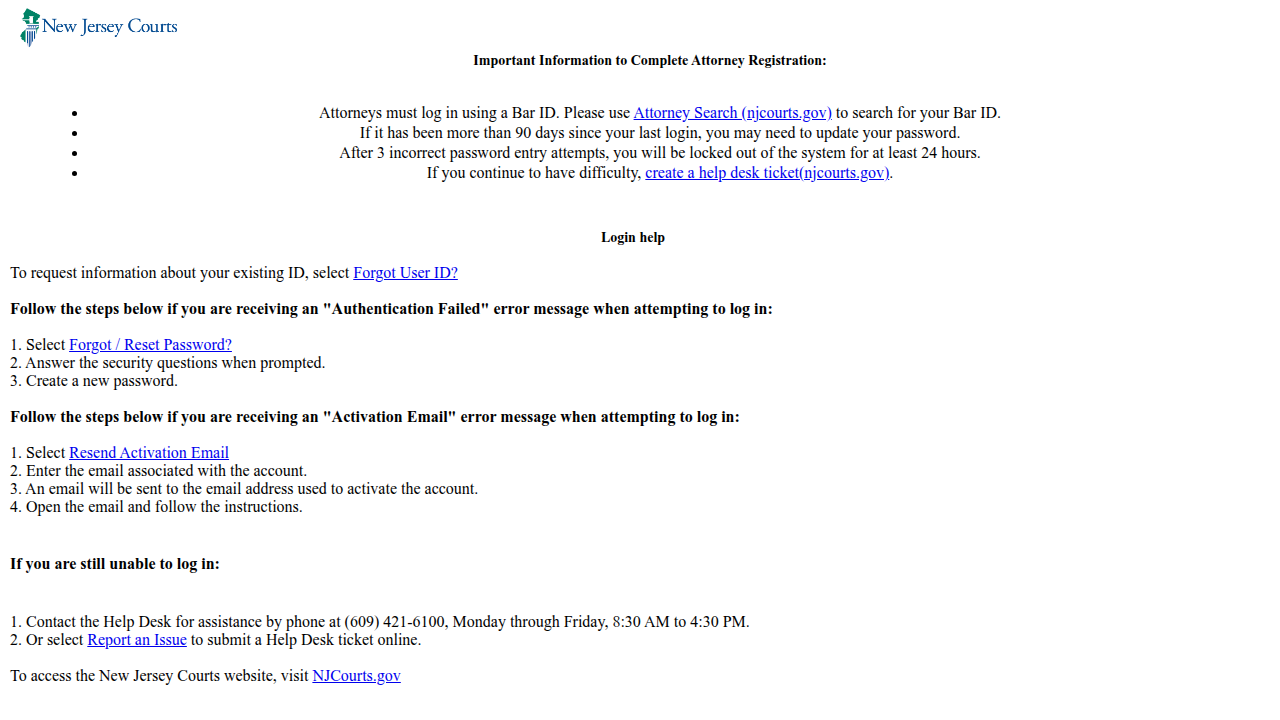
Start with the official state source. The NJCourts Online Attorney Search gives you direct access to licensing status and disciplinary records. It is the most reliable way to confirm a lawyer is in good standing.
For broader client reach, look at general legal directories. The Best Lawyers in New Jersey directory on Justia offers free profiles with options to upgrade for premium features like enhanced visibility and marketing tools. Justia also provides client reviews and case results, which help potential clients compare options.
Martindale-Hubbell focuses on peer reviews and professional ratings.
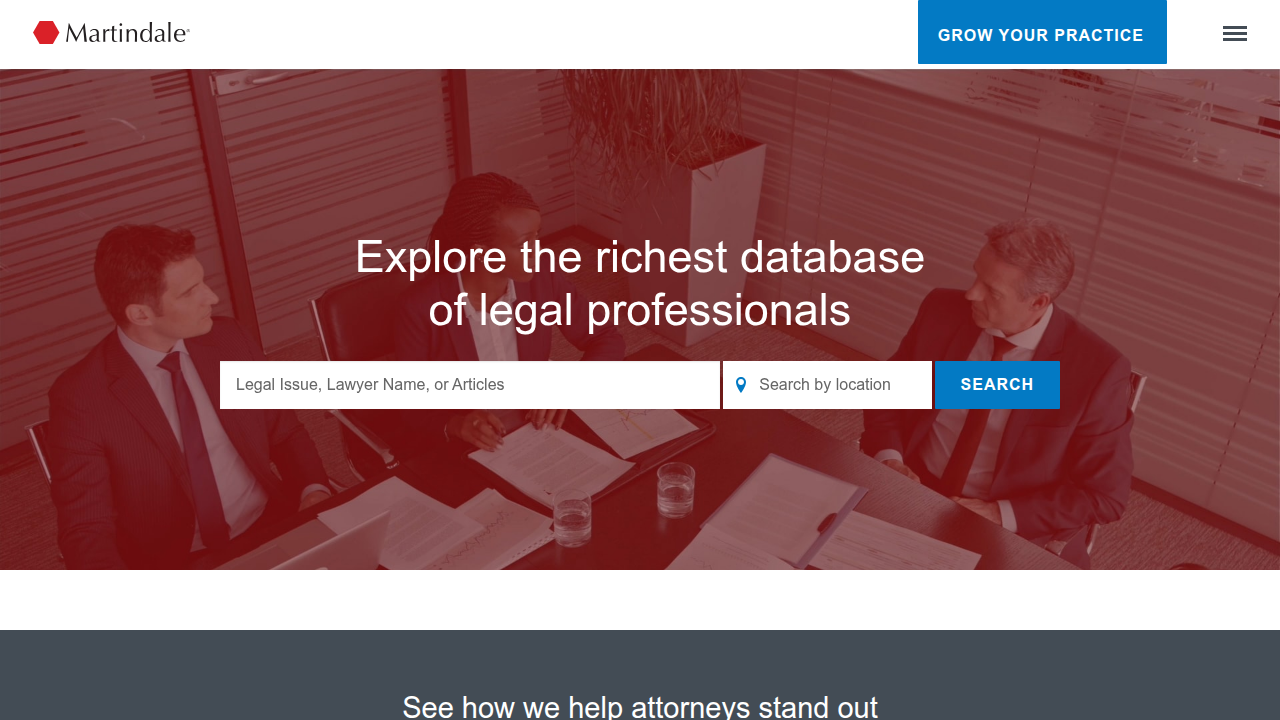
A strong rating there can build instant credibility with someone searching for a lawyer.
Other directories serve specific niches. Lawyer Legion helps you find board-certified specialists in New Jersey. The New Jersey State Bar Association directory connects you with bar-approved attorneys. The American Institute directories focus strictly on personal injury or criminal law categories. These niche platforms can be valuable if you practice in those areas.
Free directories like Nolo and LegalZoom generate steady leads without upfront costs. Paid options like FindLaw and Super Lawyers offer SEO tools and featured badges that increase visibility. The best approach is to build a presence across both free and premium platforms.
For a practical example of how these tools work in other states, read about how to use the PA attorney lookup to check a lawyer’s license and disciplinary history. The principles for verifying credentials apply just as well in New Jersey.
Choosing the right directory mix puts your profile in front of the right people at the right time.
Optimizing Your NJ Attorney Profile for Maximum Impact
Once you select your directories, focus on polishing your presence. A fully filled out profile with a narrative about section and a professional headshot builds trust and boosts your local ranking.

Following the 7 Steps to Optimize Legal Directory Profiles can guide these small changes. Simple updates like listing specific practice areas and gathering client reviews make a real difference in your NJ attorney lookup results. Avoid common pitfalls by reading about why bad law firm websites drive clients away.
SEO Best Practices for Your Listing
Now you need to make sure your listing gets found in an nj attorney lookup. Start by using relevant keywords in your headline, summary, and practice areas.
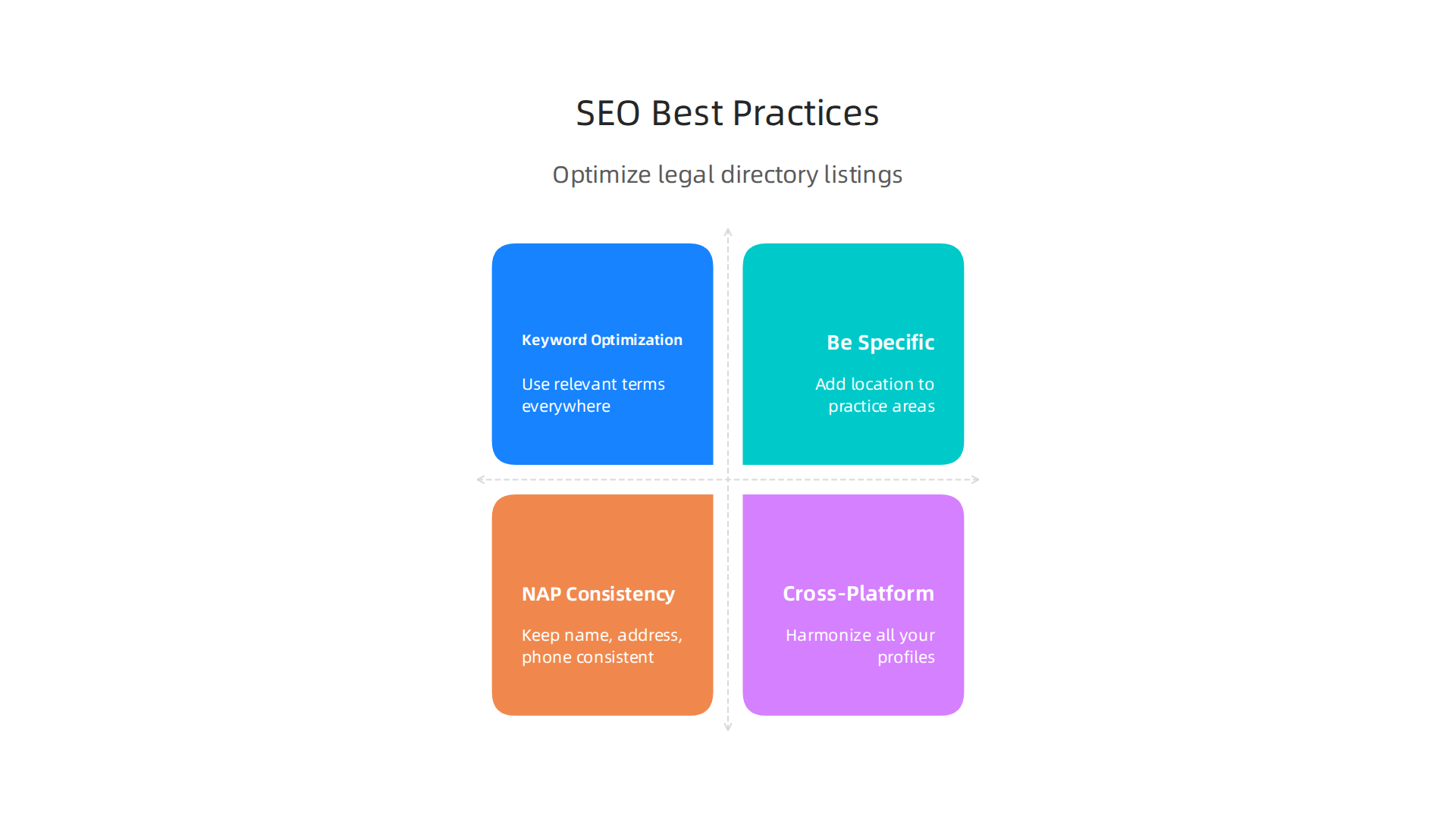
Instead of saying “divorce lawyer,” try “New Jersey divorce attorney serving Essex County.” This small change helps search engines connect you with the right searches. The same goes for your practice area descriptions: be specific and location-focused.
Equally important is keeping your NAP (Name, Address, Phone) consistent across every directory. One wrong digit or a mismatched suite number hurts your credibility and confuses search tools. A complete SEO for lawyers guide explains why NAP consistency is a core local ranking factor. When a potential client runs an nj attorney lookup, consistent data across Avvo, Martindale, and your Google profile helps you appear higher.
If you serve multiple states, you might optimize for a nys attorney lookup the same way. Tools like how to use the PA attorney lookup show how people verify lawyers across states, making accurate listings essential.
Staying on top of listing best practices is only part of the puzzle. For daily insights on legal tech, AI tools, and marketing strategies that keep your firm competitive, subscribe to The AI Newsletter Worth Reading. It delivers clear updates straight to your inbox.
Showcasing Experience and Client Reviews
When someone runs an nj attorney lookup, they want to see evidence that you know your stuff. Detailed case descriptions, credentials, and relevant certifications build immediate trust. Instead of a dry list of degrees, explain how you helped clients in real situations. For example, mention types of cases you have handled and outcomes. A complete profile that tells a story about your practice helps you stand out, as outlined in this guide to optimizing legal directory profiles.
Positive reviews and high ratings are equally powerful. They directly influence whether someone picks up the phone. Aim to collect at least 10 genuine Google reviews and respond to each one. This shows you care about client feedback. A steady flow of new reviews signals that your practice is active and trusted. On the flip side, a weak online presence can push potential clients away. Read about the common mistakes in why bad law firm websites drive clients away and damage credibility to avoid the same problems.
Leveraging Directory Data for Business Development
Once your profiles are fully optimized and your reviews are rolling in, the next smart move is to use the data your directories already collect. Most major legal directories like Justia, Avvo, and FindLaw give you a backend dashboard. Inside, you can see how many people viewed your profile, what search terms they used, and which practice areas they clicked on. This is gold for business development.
This analytics data reveals real client demographics and search behavior. For example, you might discover that most people finding you through an nj attorney lookup are specifically searching for family law or personal injury help. That tells you exactly where to focus your content and ad spending. If you see a spike in searches for a niche area you practice in, you can adjust your profile bio and website to highlight that service. As one detailed 2026 guide on the best legal directories for law firms points out, quality beats quantity. A single well-analyzed directory can outperform five neglected ones.
But looking at the data is only half the battle. You also need to connect it to your firm’s operations. The smartest firms integrate directory data with their CRM system. When a lead fills out a contact form on your Martindale profile or calls your number from Justia, your CRM can tag that source automatically. Over time, you get a clear picture of which directory sends the most leads and which ones convert into retained clients. This helps you decide where to invest time and money. Maybe your free Avvo profile brings in five calls a month, while your paid FindLaw listing only gets one. Now you know where to cut back.
This kind of data-driven decision making is part of how technology reshapes the modern practice. For a broader look at how tech is redefining the attorney role, check out this piece on how technology reshapes the attorney role. It covers how tools like CRM integration and analytics are becoming standard in law firms that want to grow.
To stay ahead of the curve on all the tech tools that can improve your firm’s performance, including AI and automation that help you analyze directory data faster, be sure to subscribe to The AI Newsletter Worth Reading. It delivers clear daily updates so you never miss an important trend.
The Future of Legal Directories and Career Platforms
Directories are not stuck in the past. They are changing fast. In 2026, the biggest shift is AI and personalization.

Instead of just listing names and phone numbers, directories now try to understand what each person really needs. When someone searches for an nj attorney lookup, the directory no longer shows random results. It uses AI to match the searcher with lawyers who have the right experience, location, and client reviews. This makes the nys attorney lookup experience much better for someone in New York too. The match is smarter and faster.
This trend is real. Tools are being built to automate directory submissions and even predict which lawyers will rank best for certain searches. According to a recent analysis on whether generative AI is the future of legal directory submissions, the smartest firms are already combining AI with human strategy to stand out. The days of filling out a form and forgetting it are over.
Career platforms are also changing. Sites that help lawyers find attorney jobs are adding dynamic data. They show salary trends, skill demand, and even how your profile compares to others. The old attorney definition that just described responsibilities is gone. Now platforms give real-time feedback on what employers want. Some even use AI to suggest which practice areas to grow into.
Platforms like live law are experimenting with AI mentors and skill assessments. This helps lawyers map out their next career move without guessing. The result? A legal world where directories and career tools feel more like helpful guides than static lists.
For more on how these tools tie into your daily practice, check out this practical guide on how to use the PA attorney lookup to check a lawyer’s license and disciplinary history. It shows you the same kind of data tools that are becoming standard everywhere.
Summary
This article explains how New Jersey attorneys can use an NJ attorney lookup and other legal directories to build credibility, attract clients, and identify career opportunities. It covers which directories matter most—from official state searches to high-authority platforms like Justia and Martindale—why some listings deliver real leads while others do not, and how AI is changing directory matching. You’ll learn practical steps to optimize profiles (complete bios, location-focused keywords, consistent NAP), gather and respond to reviews, and use directory analytics to focus marketing and CRM efforts. The piece also shows how to analyze competitors, spot underserved niches, and avoid common mistakes that hurt visibility. Finally, it outlines future trends so you can prioritize the right directories and technologies to grow your practice.