
How Law Firms Defend Legal Data Against Phishing Emails

Why phishing emails still threaten legal data — and what this article will cover
In 2026, law firms and legal teams face a big danger: phishing email attacks. These tricky emails are often the main way bad actors sneak into computer systems. They fool people into giving away secret information or clicking on harmful links. When this happens, it can lead to serious data breaches, putting important legal documents and client details at risk. Protecting sensitive legal data is more important than ever for everyone working in law.
This article will help you understand this threat better. We will look at smart, hands-on steps to prevent phishing email attacks from ever happening. We’ll also cover how to spot them quickly if they do get through. And, we’ll talk about the best ways to react and fix things if your legal workflows are ever targeted by phishing. Our goal is to give you clear legal and technical advice to keep your data safe.
As technology continues to change how lawyers work, staying informed is key. You can learn more about how technology affects the profession by reading Lawyer Defined 2026: How Technology Reshapes the Attorney Role.
And, to keep up with the newest advancements, make sure to Get clear daily AI updates from The Deep View Newsletter.
The danger from phishing emails goes beyond simple scams. For legal teams, these attacks are often very smart and aimed at specific targets. Let’s look at how these bad emails work and the serious problems they can cause.
Tricky Phishing Emails That Target Legal Work
Not all phishing emails are the same. Some are sent to many people, hoping someone will fall for them. But for lawyers, the most dangerous ones are often tailor-made to trick someone specific.
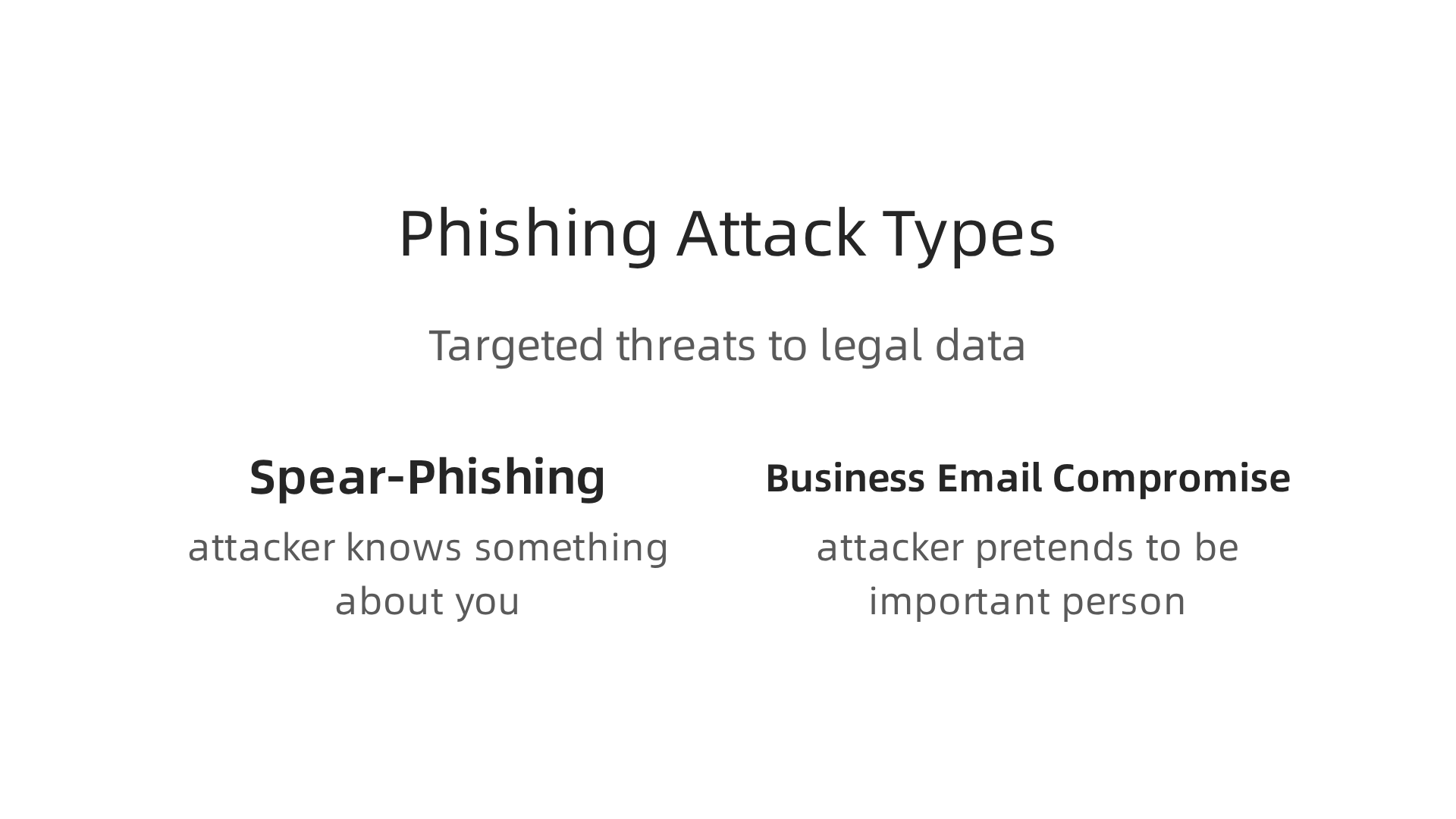
- Spear-Phishing: This is like a very focused fishing trip. The attacker already knows something about you or your work. They might use your name, your client’s name, or details about a case you are working on. The email will look like it’s from a trusted person, like a senior partner, a court official, or a client. It might ask you to click a link to view an "urgent document" or to reply with "important client data." Because it looks so real, it’s harder to spot as a
phishing email. - Business Email Compromise (BEC): This is another very risky type. Here, the attacker pretends to be someone important in your firm or a company you work with. They might imitate a managing partner asking for a quick wire transfer or client information. They often try to get people to send money to the wrong bank account or share private documents. This can cause huge financial losses and trust issues. Knowing these tricks helps you protect sensitive legal data, as detailed in the Phishing Trends Report (Updated for 2026).
These types of phishing email attacks target the very heart of legal workflows. Imagine an email asking for details about child welfare case management software or important documents related to constitutional law cases. This makes them especially dangerous for law firms.
What Happens When Legal Data Is Exposed?
When a phishing email attack succeeds, the results for legal teams can be very bad.
- Client Data Exposure: This is perhaps the biggest worry. Attackers might get access to names, addresses, private case details, financial records, and other personal information of your clients. This breaks the trust clients place in their lawyers and can lead to identity theft or other harm for the clients.
- Compromise of Privileged Communication: Lawyers and clients have special rules about keeping their conversations secret. This is called "privileged communication." If a
phishing emailleads to these talks or legal strategies being stolen, it can ruin a case and cause huge legal problems. It also goes against the basic rules of being a lawyer. - Regulatory Notification Obligations: Many countries and states have strict laws about what happens when client data is stolen. For example, in Europe, the GDPR law has very tough rules. If a data breach happens, law firms often have to tell the affected clients and special government groups. Not doing this can lead to big fines and legal troubles, as shown in the GDPR fines and data breach survey. It’s a legal duty to report these issues, and ignoring them can make things much worse.
Understanding these risks is the first step in building a strong defense. As legal technology keeps changing, tools like IRIS Law 2026 AI Contract Analysis for Legal Teams are helping lawyers manage complex documents. But even with advanced tech, people remain the main target of phishing.
When a phishing email attack gets past your defenses, law firms face a pile of serious rules and duties. It’s not just about fixing the computer problem.

There are strict laws and professional rules that lawyers must follow right away.
Immediate Steps After a Breach
The first thing to do after a data breach from a phishing email is to act fast. Law firms must quickly figure out what happened. This means finding out:
- How the attack happened.
- What information was seen or stolen.
- Who might be affected.
It’s also very important to keep all records and digital traces of the attack. This is called "evidence preservation." These records help in investigations and show that the firm took the breach seriously. Ignoring these steps can make future problems much worse.
Telling People About the Breach
After understanding the breach, law firms have a big job: telling the right people. This usually includes:
- Affected Clients: Clients need to know if their private information was exposed. This is often the most important step for maintaining trust.
- Law Enforcement: Reporting to the police or other government groups can help track down attackers and sometimes prevent further harm.
- Regulatory Bodies: Many different government groups oversee how businesses handle data. For example, laws like the Gramm-Leach-Bliley Act (GLBA) have specific breach reporting rules for financial institutions, which can apply to some legal activities. More generally, the Federal Trade Commission (FTC) offers a guide on how businesses should respond to data breaches, including whom to notify and when. You can find helpful advice in the Data Breach Response: A Guide for Business.
These rules often come with strict timelines. Firms usually have only a few days or weeks to notify people after discovering a breach. Each state might also have its own laws about data breaches. For a deeper dive into these rules, especially in 2026, you can consult resources like A Legal Guide To PRIVACY AND DATA SECURITY 2026.
Lawyer’s Special Duties
Beyond general business laws, lawyers have special ethical duties. These are often called "Rules of Professional Conduct." They say that lawyers must protect their clients’ secrets and act in their best interest. A data breach directly challenges these duties.
- Protecting Client Confidentiality: If a
phishing emailleads to private client talks or documents being exposed, it breaks the rule of confidentiality. Lawyers have a duty to make reasonable efforts to prevent such disclosures, as outlined in rules like the West Virginia Rules of Professional Conduct. - Conflicts of Interest: Sometimes, a breach can create a "conflict of interest." This happens if the law firm itself is at fault, and its interests might not fully match the client’s interests in dealing with the breach. This is a tough situation that lawyers must handle with great care and transparency.
Managing these situations properly is a key part of how lawyers must adapt in 2026. The role of a lawyer keeps changing with new technology and new threats, and staying on top of these changes is vital. If you’re interested in how technology is reshaping the attorney’s role, you might find our article on lawyer defined 2026: how technology reshapes the attorney role very informative.
Understanding the complex world of legal technology, especially when it comes to keeping data safe, is a continuous journey. Staying informed helps legal professionals navigate these challenges.
Get clear daily AI updates from The AI Newsletter Worth Reading.
Dealing with the aftermath of a phishing email attack is very serious, but it’s even better to stop them from happening in the first place. This is where special tools and smart computer tricks come in. Think of it like building a strong, layered wall around your law firm’s emails. Each layer helps block bad messages before they can cause trouble.
Technical controls and tools to block phishing emails
To truly keep phishing email attacks out, law firms in 2026 need more than just good rules. They need strong technical protections. These are like digital guards that check every email before it reaches your inbox. A key part of this is using several tools together, which experts call "layered defenses."
One important layer is email authentication. This is a fancy way of saying emails are checked to make sure they are real. There are three main helpers here:
- SPF (Sender Policy Framework): This checks if an email comes from a computer allowed to send emails for that sender’s domain.
- DKIM (DomainKeys Identified Mail): This adds a special digital signature to emails, like a tamper-proof seal, to prove the email hasn’t been changed along the way.
- DMARC (Domain-based Message Authentication, Reporting & Conformance): This ties SPF and DKIM together. It tells email servers what to do if an email fails the SPF or DKIM check, like sending it to spam or blocking it completely.
Using SPF, DKIM, and DMARC together helps a lot to stop fake emails and scams. In fact, many countries are now making DMARC a required tool because it’s so good at fighting phishing email attacks. Research from 2026 shows how important these methods are for email security, helping to prevent spoofing and fraud. You can learn more about why these tools are so important in Email security best practices for 2026.
Another strong layer of defense comes from tools called Secure Email Gateways (SEGs) and Advanced Threat Protection (ATP). These systems sit between the internet and your email inbox. They scan incoming emails for anything suspicious. This includes looking for:
- Bad links that try to trick you.
- Dangerous files attached to emails.
- Tricky language that often appears in
phishing emailscams.
Many of these advanced tools use AI, or Artificial Intelligence, to get even smarter. AI can learn to spot new kinds of phishing email attacks faster than humans can. It looks for patterns and unusual things that might mean an email is trying to trick you. This helps catch even very clever scams. You can see how AI is changing email security in 2026 in this helpful video about AI Phishing, Mandatory DMARC & the Death of Manual Defenses.
When law firms pick anti-phishing tools, they should look for a few key things:
- Easy to use: The tools should be simple for staff to understand and work with every day.
- Works with what you have: They should fit well with the firm’s current computer systems without causing big problems.
- Good support: If something goes wrong, the company selling the tool should be there to help quickly.
- Protects client data: The tools must be strong enough to keep all client information truly safe.
By putting these layers of protection in place, law firms can greatly lower their risk of a phishing email attack. This helps protect client secrets and keeps the firm running smoothly. Staying on top of technology is crucial for modern legal practices. For insights into how leading firms embrace technology for better protection and service, explore Leading Law Firms Mintz Morgan Rafferty and Rimon Embrace Technology in 2026.
Even with the best computer tools, people are often the last line of defense against a phishing email attack. That’s why having smart rules and good training is just as important as having strong technology. Law firms need clear plans for everyone to follow, which helps stop bad emails from causing harm.
Policies, incident processes, and staff training to reduce human risk
For law firms in 2026, keeping client information safe means thinking about how people use their computers and emails every day. This starts with having clear policies in place. These policies are like a guidebook that tells everyone how to act safely online and what to do if something looks suspicious.
One key policy is about who can access what. Not everyone in a law firm needs to see every single client file or sensitive document. This is called "role-based access" and "least-privilege controls." It means staff members only get access to the information they truly need for their job. If a phishing email trick works on one person, a "least-privilege" setup stops the bad actor from getting to all the firm’s secrets right away. This way, any breach is smaller and easier to control. Setting up smart rules for who can do what helps protect sensitive data and makes sure that only authorized people can handle important tasks.
Next, law firms need to have a clear plan for what happens after a phishing email attack. This is called an incident response process. It’s like a fire drill for digital threats. Everyone needs to know:
- Who to tell if they click a bad link.
- How to report a suspicious email.
- What steps to take immediately to stop further problems.
A quick and clear response can greatly reduce the damage from a successful phishing email scam.
But policies are only useful if people know about them and follow them. That’s where good staff training comes in. Regular security awareness training is crucial for everyone at the firm. These training programs teach staff how to spot tricky phishing email attempts, like fake websites or emails that pressure them to act fast.

Many firms use phishing simulation programs. These programs send fake phishing email messages to staff to see if they can spot the scams. It’s a safe way to practice without real danger. Before training, only about one-third of users correctly report phishing simulations, while a concerning number might click a bad link or open a dangerous attachment, according to a 2026 report on phishing trends. However, with continuous training over 12 months, the number of people likely to fall for a phishing email can drop sharply, from about 33% to just 4.1% Security Awareness Training Statistics for 2026.
When running these training programs, law firms should look at Key Performance Indicators (KPIs). These are numbers that show how well the training is working, such as:
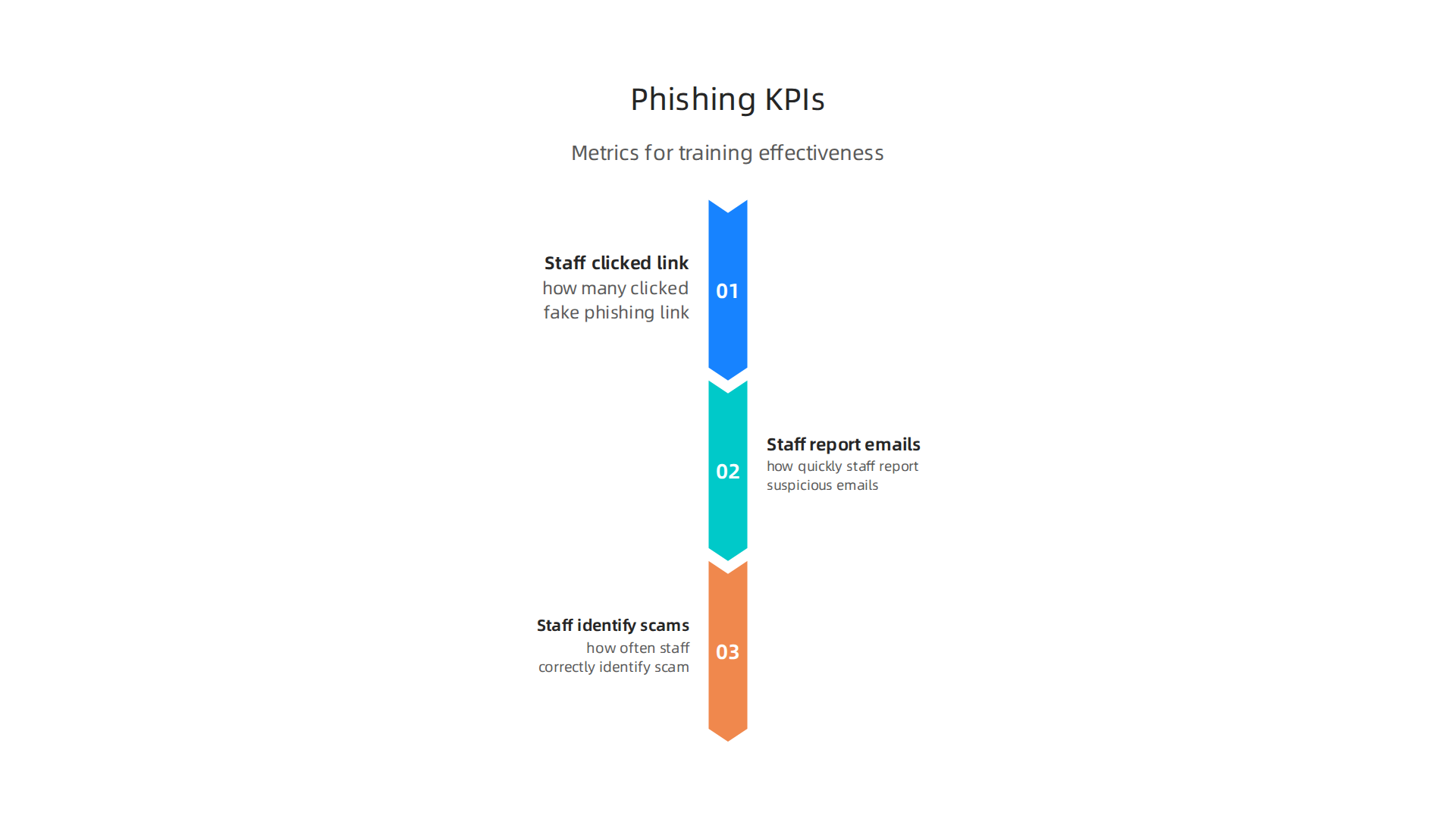
- How many staff members clicked on a fake phishing link.
- How quickly staff report suspicious emails.
- How often staff correctly identify a scam.
Tools that measure phishing resilience can help personalize training, focusing more on areas where people need extra help Top Tools to Measure Phishing Resilience in 2026. The best simulated phishing programs in 2026 are designed to make training engaging and effective, not just boring tests The Best Phishing Simulation Programs 2026.
Finally, all training must align with the special rules of law firms, like legal ethics and confidentiality requirements. Staff need to understand that protecting client data isn’t just a technical task, it’s a core part of their professional duty. The role of a lawyer is always changing, especially with new technology. You can learn more about how technology reshapes the attorney role by reading Lawyer Defined 2026: How Technology Reshapes the Attorney Role.
Staying informed about how technology changes the legal world is very important. Get clear daily AI updates from The AI Newsletter Worth Reading.
When a phishing email attack gets past all your defenses, it’s a stressful moment for any law firm. But having a clear plan for what to do next can make a big difference. This plan helps limit the damage and protects your clients’ sensitive information.
5) Responding to a successful phishing attack: legal and operational steps
The first thing to do after a successful phishing email attack is to stop it from spreading. This is called immediate containment. It means taking quick steps to block the attacker, like disconnecting infected computers or changing passwords right away. After that, you need to find out exactly what happened. This is where forensic steps come in. Experts will investigate to see how the attack happened, what information might have been taken, and how to fix the weak spots. This process is very important for legal firms because it helps them understand the full scope of any data loss.
For law firms, there are special legal concerns during this time. You must be careful to protect what is called "privilege," which keeps private communications between lawyers and clients secret. You also need to make sure that any steps you take do not accidentally give away more client information. Some state laws even discuss concerns about privilege when reporting data breaches, as highlighted in a 2026 testimony on data breach mandates 2026 IAC Testimony Data Breach SB 117. Communicating with clients also needs to be handled with great care, being honest about the situation while following all legal and ethical rules. A lawyer’s duty includes making reasonable efforts to prevent unauthorized access to client information SCRP Rule 3-1.06 (Supreme Court Rules of Professional Practice).
Next comes the legal workflow for reporting the breach. This involves a notification decision tree, which helps you figure out who needs to be told and when. Many different laws might apply, depending on where your clients live and what kind of information was stolen. This includes state data breach notification laws and federal rules for specific types of data. The Federal Trade Commission offers a guide for businesses on how to respond to data breaches Data Breach Response: A Guide for Business. For example, a legal guide from 2026 also discusses important privacy and data security rules that require breach reporting A Legal Guide To Privacy And Data Security 2026.
Often, law firms will need to coordinate with outside help. This means working with outside counsel, who are lawyers from another firm specializing in cybersecurity law.

They can help navigate the complex legal requirements and protect the firm’s interests. You might also bring in cybersecurity firms. These are technical experts who can handle the forensic investigation and help secure your systems. Having trusted experts on your side is crucial when dealing with a serious incident. Building a strong incident response plan is key for law firms Cybersecurity Incident Response for Legal Firms. For more on bringing in external legal expertise, learn how to select attorneys on retainer for your 2026 legal needs.
Learning how to handle a phishing incident effectively is a skill that can be developed. You can find many guides that walk through the process, like this Phishing Incident Response Playbook: Step-by-Step Guide for SOC Analysts video. This step-by-step approach ensures that every action is purposeful and reduces panic during a crisis. Firms that lead the way often embrace new technology to manage these challenges effectively, as many leading law firms embrace technology in 2026.
Using new technology means law firms often work with many outside companies. These can be for email, cloud storage, or tools that help teams work together. But bringing in outside help also brings new risks. This is called third-party risk. A phishing email attack doesn’t always come straight to your firm. Sometimes, it can start through a weak spot in one of your vendors’ systems. This is why checking who you work with is super important.
6) Third-party risk and secure integrations: vendor due diligence for email and collaboration tools
When you use outside services for your law firm, you are trusting them with sensitive client data. This means you need to make sure they are very secure. Assessing a vendor’s security is like checking their homework. You want to know how well they protect their systems, especially those that handle your legal data. This includes checking email platforms, cloud providers, and any collaboration tools your firm uses.
Many data breaches involve outside parties. For example, a 2025 report showed that third-party involvement was a constant issue in many incidents that year 2025 Data Breach Investigations Report. To lower this risk, law firms need clear rules and checks.
What to look for in vendor security:
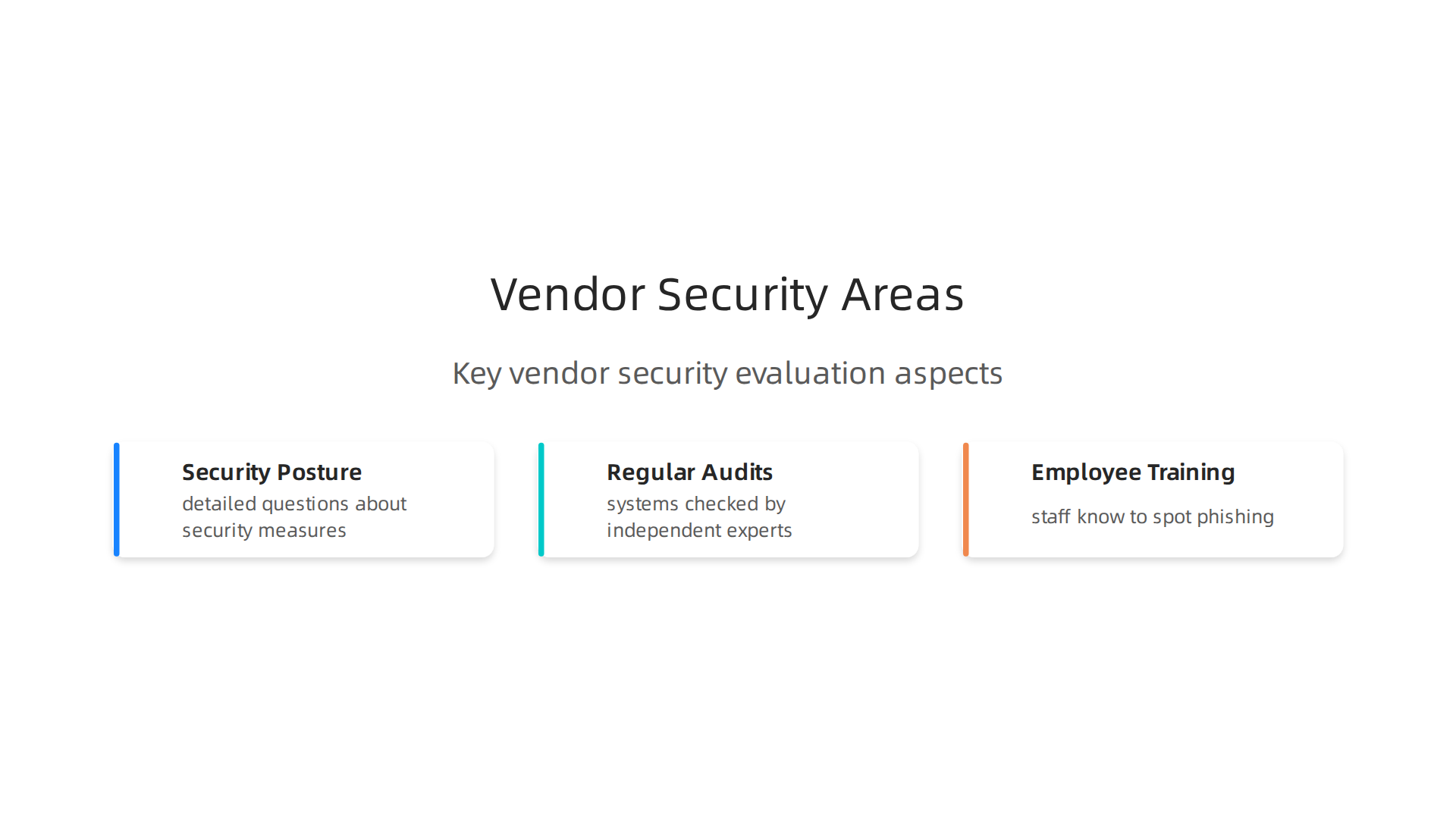
- Security Posture: This means asking detailed questions about their security measures. Do they use strong encryption for your data? How do they stop unauthorized people from getting in? Do they have a plan for what to do if they get attacked?
- Regular Audits: Do they get their systems checked by independent security experts often? These checks can find weaknesses before attackers do.
- Employee Training: Do their staff know how to spot and report a
phishing email? Human error is a big cause of breaches, so good training helps a lot.
Next, you need strong agreements with your vendors. These are called contractual controls. They are promises in writing about how the vendor will protect your data.

This can include:
- Data Processing Agreements (DPAs): These explain exactly how the vendor can use and protect your client’s data. They also cover what happens if there’s a data breach. The European Union’s GDPR rules, for instance, have led to many fines related to data breaches GDPR fines and data breach survey, showing how important strict data protection is.
- Right to Audit: This gives your firm the power to check the vendor’s security practices yourself.
- Security Clauses: These add specific security requirements into your contracts. You might even want to explore tools that can help legal teams with complex contract analysis to ensure these clauses are strong, such as those that offer IRIS Law 2026 AI Contract Analysis for Legal Teams.
Beyond contracts, technical controls are key. These are the actual security tools and practices put in place. For example, ensuring all vendors use multi-factor authentication (MFA) to log in. This adds an extra layer of security, making it much harder for attackers to get in even if they steal a password. Also, many tools now use Artificial Intelligence (AI) to help find phishing email attempts. The Global Cybersecurity Outlook 2026 notes that many organizations use AI to boost phishing detection.
Making sure your vendors have strong security is a vital part of protecting your law firm from cyber threats. It’s an ongoing effort, not a one-time check.
To stay current on how AI and other technologies are changing the legal world and influencing vendor security, you might find more deep insights. Get clear daily AI updates from The AI Newsletter Worth Reading.
Summary
Phishing emails remain one of the biggest cyber risks for law firms because attackers exploit human trust and privileged workflows to steal client data, legal strategies, and funds. This article explains how targeted attacks like spear‑phishing and business email compromise work, the legal and ethical consequences of a successful breach, and the immediate containment and notification duties firms face. It then walks through practical defenses — from SPF/DKIM/DMARC authentication and secure email gateways to AI threat detection — and describes the policies, role‑based access controls, and ongoing training that reduce human risk. You will also learn how to run phishing simulations, track resilience KPIs, put an incident response playbook in place, and manage third‑party vendor risk with contractual and technical controls. After reading, legal teams will better understand what to implement today and what steps to follow if a phishing attack reaches their systems, so they can protect client confidentiality and meet regulatory obligations.