
How to Select Attorneys on Retainer for Your 2026 Legal Needs

Why understanding retainers, specialties, and firm structures matters now
Starting a business or facing a legal problem can feel big.

You might hear people talk about hiring "attorneys on retainer." But what does that really mean? And why is it so important to understand in 2026, especially when you need to watch your money and make sure everything is done right?
Simply put, an attorney on retainer is a lawyer you pay upfront to make sure they are available to help you. Think of it like a down payment for their legal services, ensuring you have their expertise when you need it most. This upfront fee is held in a special trust account by the attorney until their work begins and hours are billed against it. A clear agreement, called a retainer agreement, spells out how the lawyer will work for you and how they will be paid, helping both sides avoid surprises later on. One legal expert explains that a retainer is "an upfront fee paid to secure the services of an attorney," much like a deposit for legal help

Understanding Legal Retainers.
In 2026, understanding how these agreements work is more important than ever for business owners and individuals. You see, the legal world is always changing, with new rules and ways of doing things. When you are making big choices, you need to think about a few key things:
- Cost: How much will legal help really cost? A retainer helps you plan for this.
- Following the Rules: Are you sure your lawyer knows all the latest rules and laws? This is called compliance.
- Getting Things Done: You want a lawyer who can work well and get good results. This is about efficiency.
Knowing about different kinds of legal help is also key. For instance, if you need someone to help plan for your future assets, you might look for a trust attorney. If your business is buying another company, you’ll need a mergers and acquisitions lawyer. And choosing between local law firms or larger ones, maybe even those known as top 10 law firms, depends on your specific needs and budget.
As legal processes get more digital and technology changes quickly, staying informed helps you make smart choices. It ensures you pick the right legal help to protect your business and your interests.
To keep up with how technology is changing the legal world, consider subscribing to The AI Newsletter Worth Reading.
It is helpful to know that not all "attorneys on retainer" work the same way. Just like there are different kinds of problems people need help with, there are different ways lawyers can be put on retainer. Understanding these differences helps you choose the right legal help for your needs.
Here are the main types of retainer agreements you might come across:
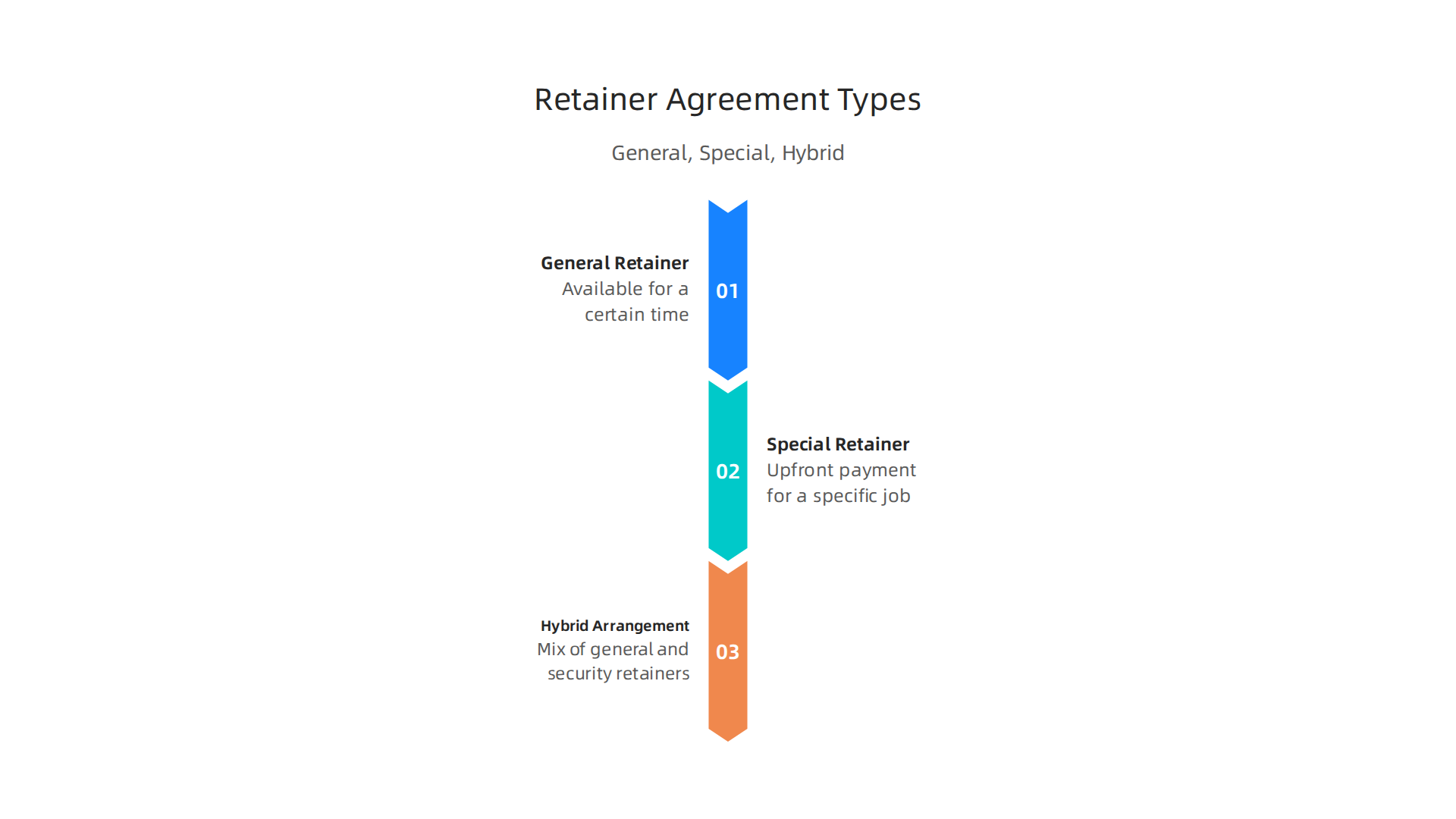
- General Retainer: This is when you pay a lawyer a set amount to make sure they are available to you for a certain time, or for general advice on a type of problem. They might not be working on a specific case, but you know you can call them for quick questions or to get their thoughts. It secures their time and expert knowledge when you need it.
- Special or Engagement Retainer (also called a Security Retainer): This is the most common type. It’s the upfront payment you make to a lawyer for a specific legal job, like helping you with a business deal or a court case. The money is kept safe in a special account, and the lawyer will take money from it as they work on your case. This helps you know that the lawyer is committed to your matter. Different types of retainers help both clients and law firms manage costs and services, as explained in an article comparing retainer agreements and flat fees

Retainer Agreements v. Flat Fees.
- Hybrid Arrangements: Sometimes, lawyers and clients might mix these ideas. For example, you might pay a small general retainer to keep a lawyer on call, and then agree to pay an hourly rate from a security retainer if a big project starts.
How Retainer Agreements Work
No matter the type, a retainer agreement is a very important paper. It’s like a contract that tells everyone what to expect. Here are the key parts of how these agreements work:
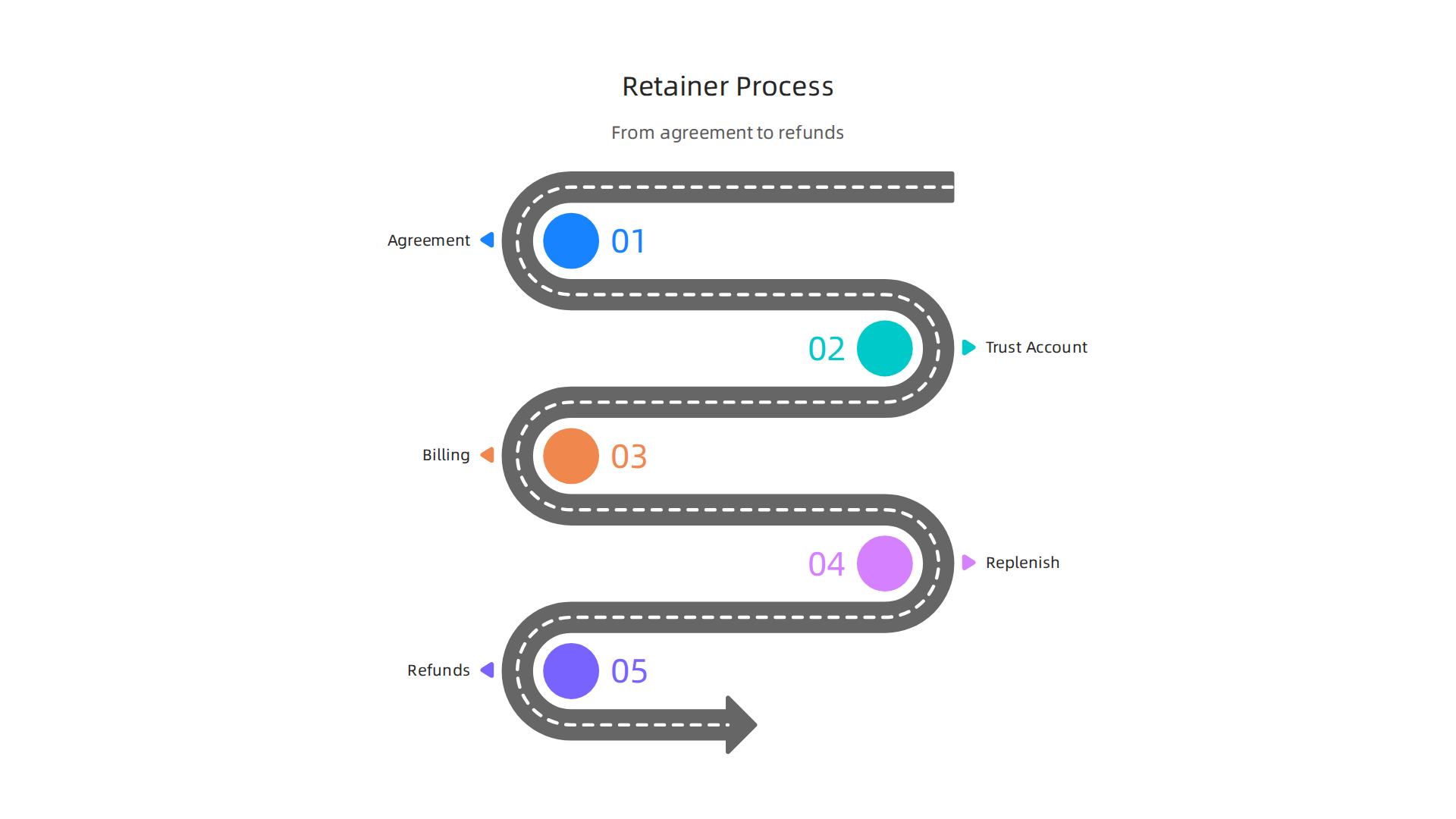
- The Agreement Itself: This document, sometimes called a representation agreement, clearly spells out what the lawyer will do for you. It covers things like the goal of the legal work, how long it might take, and what you both agree to. It’s a key part of how legal services are managed retainer agreement | Wex | US Law | LII / Legal Information Institute.
- Putting Money in a Trust Account: When you pay a retainer, the money goes into a special client trust account. This means the money still belongs to you until the lawyer earns it by working on your case. This keeps your money safe.
- Billing Against the Retainer: As the lawyer works, they keep track of their hours or tasks. They then take their fees from the money in the trust account. You should get regular updates on how much money is left and what work has been done.
- Replenishing the Retainer: If the money in the trust account gets low, your lawyer might ask you to put more money in. This is called replenishing the retainer, and it ensures your legal work can continue without stopping.
- Refunds: If the legal work finishes and there’s money left in the trust account, that money should be given back to you.
Understanding these details is very important for anyone hiring attorneys on retainer. It helps you manage your legal budget and ensures you get the legal help you need. Modern tools are even helping legal teams manage these agreements better, making sure everything is clear for both sides. For insights into how technology helps manage legal documents, you can learn more about Iris Law 2026 AI Contract Analysis for Legal Teams.
Attorneys on retainer can be a great help for many different people and companies. The way they work might change a bit depending on who is hiring them and what kind of help is needed.
For Businesses
Businesses often need lawyers more often than individuals.

They might keep attorneys on retainer for many reasons:
- Ongoing Advice: A company might need a lawyer to be always ready for quick questions about contracts, new rules, or daily problems. This is like having a legal expert on your team without hiring them full-time.
- Fast Help for Big Issues: If a big problem comes up, like a lawsuit or a government check, having an attorney on retainer means they can jump in right away. There’s no time lost finding a new lawyer.
- Making Sure Rules Are Followed (Compliance): Businesses must follow many laws. A retainer lawyer can help them keep up with these rules, which is called compliance support. This can prevent big fines or problems later.
- Big Deals: For companies involved in buying or selling other businesses, a mergers and acquisitions lawyer might be on retainer to guide them through complex agreements. Even top 10 law firms often use retainer models for their business clients.
For Individuals
Individuals also find good reasons to have attorneys on retainer:
- Long-Term Planning: For things like making a will, setting up a trust, or managing family property, people might keep a trust attorney on retainer. This ensures their plans are always up to date and legally sound.
- Ongoing Family Matters: In cases of ongoing family legal needs, a retainer can provide continuous support.
- Specialized Advice: For specific, sometimes complex personal situations that might need legal guidance over time.
How Attorneys on Retainer Work in Real Life
When you decide to work with attorneys on retainer, there’s a clear process that helps everyone. This makes sure the legal help is smooth and clear.
- First Meeting (Intake): This is where you first meet the lawyer. You’ll talk about your needs and what you hope to achieve. The lawyer learns about your situation.
- Setting the Plan (Scope Management): The lawyer will clearly explain what work they will do for you and what is not part of the agreement. This is important to make sure everyone is on the same page.
- Keeping You Updated (Reporting): Your lawyer should tell you often what they are doing and how the legal work is moving forward. This includes regular reports on how your retainer money is being used. This kind of clear communication helps build trust in the lawyer-client relationship, as highlighted in explanations of Lawyer Retainers: Definition, Purpose, and Ethics.
- Getting the Work Done (Escalation): If a new or bigger problem comes up during the work, the agreement should explain how the lawyer will handle it. They will talk to you about what needs to happen next.
Staying informed about legal best practices and how technology is changing the law is always a smart move.
Get clear daily AI updates from The AI Newsletter Worth Reading.
When you are thinking about hiring attorneys on retainer, it’s super important to pick the right kind of lawyer. Sometimes, a regular lawyer who knows a bit about many things is fine. But other times, you need a special kind of lawyer who knows a lot about just one thing. This is like needing a heart doctor for a heart problem, not just any doctor. These special lawyers work in "niche" areas, meaning they focus on a very small part of the law. Sometimes they are part of "boutique firms" which are smaller law offices that only do special kinds of law.
Advantages of Specialty Firms for Retainer
A big plus for having a special lawyer on retainer is their deep knowledge. They spend all their time learning about their one area. This means they can give better advice when things get tricky. Research shows that lawyers who specialize often do better than those who try to do everything Top Law Firms in the US by Practice Area 2026 – BCG Attorney Search. They can also solve problems faster because they already know the ins and outs of their field, potentially saving you time and money.
Trade-offs of Specialty Firms
However, hiring a specialist can sometimes cost more. Also, if you have a problem that isn’t in their special area, they might not be able to help you with it. So, you might need more than one lawyer for different types of problems, or a generalist for simpler matters.
When to Pick a Specialist
You should think about a specialist if your legal needs are very unique or hard.
- Lots of Rules: If your business has to follow many confusing rules, like those for new medicines or money matters. For example, new employment laws in 2026 often need expert help Key New 2026 Employment Laws for California Employers.
- Big Fights: If you are involved in a very important lawsuit that has a lot of details and risks. Issues like ERISA Litigation Risks in 2026 Part 2 are good examples.
- New Tech Problems: If your problem has to do with new kinds of technology, like things found on the internet or special computer programs, a lawyer who understands tech law would be best.
- Special Business Deals: When companies buy or sell other companies, it’s called a merger or acquisition. This kind of work needs a
mergers and acquisitions lawyerwho knows all the special rules. Even sometop 10 law firmshave whole teams just for these kinds of big deals. - Protecting Your Brand: If you need to keep your brand name safe from others, a trademark lawyer safeguards your brand.
It’s all about making sure your attorneys on retainer have the exact knowledge to help you best. Knowing when to choose a lawyer who specializes can make a big difference for your legal success in 2026 and beyond.
Choosing the right attorneys on retainer is key, and where you find them often depends on the type of legal help you need. Different law firms structure their retainer services in unique ways, matching their size and focus.
Top Firms and How They Structure Retainer Services
Big law firms, especially the top 10 law firms, often offer very complete retainer packages. These firms have many lawyers who specialize in different fields, like mergers and acquisitions lawyer or a trust attorney. When you put these attorneys on retainer with a large firm, you are not just getting one lawyer. You often get a whole team of experts ready to help.
These big firms usually include many "value-added services" in their retainer deals. This means they offer more than just legal advice. They might give you training, hold workshops, or share special reports to help your business stay out of trouble. This approach helps them keep clients happy and coming back, as good client service is a key strategy for managing a law firm 10 Practical Strategies to Manage a Law Firm. They also often assign a dedicated account manager to you. This person makes sure all your legal needs are met smoothly, acting as your main point of contact. This way, you always know who to talk to, even with many experts working on your case. Large firms are known to offer many ways to add value for clients 51 Practical Ways for Law Firms to Add Value.
How Mid-Size and Boutique Firms Compete
Mid-size and boutique law firms, while smaller, are very smart about how they compete. They might not have hundreds of lawyers, but they often have deep expertise in a few special areas. They differentiate their retainer offerings by being more flexible and personal. For example, a boutique firm might focus only on new technology law or a specific business type, offering very tailored retainer plans.
These firms often provide subscription services or alternative pricing models for their retainers, which can be more attractive to smaller businesses or those with predictable legal needs Law Firm Pricing Models (2026). They aim to build very strong relationships with their clients, offering direct access to the specialized lawyer you need most.

This personal touch can make a big difference, especially if you want a lawyer who really understands your specific industry. Many leading law firms are embracing technology to improve their services and client relationships, even smaller ones, showing that innovation isn’t just for the biggest players Leading Law Firms Mintz Morgan Rafferty and Rimon Embrace Technology in 2026.
When you think about the best way to get legal help for your business, it really comes down to what you need. Do you need a wide range of services from a big name, or do you need deep, focused expertise and a more personal touch from a smaller, specialized firm? Both types of firms can provide excellent attorneys on retainer, but their approach to packaging those services will be different.
Staying informed about legal technology trends and how firms adapt is crucial for making the best choices in 2026. Get clear daily AI updates from The AI Newsletter Worth Reading.
When you decide to hire attorneys on retainer, it’s very important to understand how they charge and what their contracts say. This helps you avoid surprises and makes sure everyone is on the same page. Let’s look at the different ways law firms charge and how to make sure the contract protects everyone.
Different Ways Firms Price Retainers
Law firms offer many ways to pay for attorneys on retainer. These pricing models have changed over the years, especially in 2026.
- Flat Monthly Retainers: This is often the simplest way. You pay a set amount each month for certain legal services. This is great for businesses that need ongoing, predictable help. It gives both you and the law firm a clear idea of costs and work involved. Many agencies and firms find that flat retainer models bring stable income and help with planning Project-Based vs Retainer Agency Pricing.
- Capped Retainers: With this model, you have a set monthly fee, but there’s a maximum limit on how much you’ll pay. If the work goes over the cap, the firm might absorb the extra cost or charge a reduced rate. This gives you budget protection.
- Blended Hourly/Retainer Hybrid Models: Some firms mix a monthly retainer with an hourly rate for work outside the retainer’s basic scope. For example, a monthly fee might cover routine advice, but bigger projects like a merger might be billed hourly. This is often good for businesses that have some regular legal needs but also face larger, less frequent issues.
- Outcome-Based Variations: This is less common for general retainers but can be used for specific types of legal work. The fee might depend on the success of a case or project. This means the
attorneys on retaineronly get paid more if they achieve a good result for you. Learning how to price these models is key for businesses in 2026 The Ultimate Pricing Guide for Consulting Businesses in 2026.
Understanding these pricing models helps you choose the best fit for your needs and budget.
Important Contract Details and Risk Control
A good contract for attorneys on retainer protects both you and the law firm. It’s not just about money; it’s about clear rules and safety.
- Scope Definitions: The contract must clearly state what legal services are included in the retainer and what is not. This way, there are no misunderstandings about what the
attorneys on retainerwill do for you. It prevents one side from expecting too much or too little. - Termination and Renewal Terms: It should explain how either party can end the agreement and how to renew it if you want to continue. This adds clarity and fairness to the relationship.
- Data Protection and Confidentiality: Your legal matters are private. The contract needs to clearly say how the law firm will keep your information safe and private. This is very important for trust and security.
- Dispute Resolution Clauses: What happens if there’s a disagreement between you and your law firm? The contract should explain how to solve problems, often through talks or mediation, before they become big issues. Having clear guidelines for contracts is always important for any business Why You Need More Than A Lawyer For Business Contracts.
Thinking about these things upfront helps you pick the right retainer and keeps your legal relationship smooth and secure.
After you understand how law firms charge and what to look for in a contract, the next big step is choosing the right attorney or firm. This choice is super important, especially when you need attorneys on retainer for ongoing help. Here’s a simple checklist to guide you.

Selecting the Right Attorney or Firm: An Evaluation Checklist
Finding the best legal help means looking at more than just the price. You want a team that fits your needs perfectly, like a good puzzle piece.
-
Does Their Expertise Fit Your Needs?
It’s important to find lawyers who know a lot about your specific issues. Just like a heart doctor is best for heart problems, a specialized lawyer is best for legal issues in their field. For example, if you’re dealing with company buyouts, you’ll want a expertmergers and acquisitions lawyer. If you’re planning for your future, atrust attorneywould be a good fit. Studies show that lawyers who focus on one area often do better than those who try to do everything Top Law Firms in the US by Practice Area 2026. Look for a firm with proven success in your specific area. -
How Good is Their Communication and Service?
You’ll be working closely with yourattorneys on retainer, so good communication is key. Ask how quickly they respond to calls and emails. Do they keep clients updated regularly? You want a firm that makes you feel heard and informed, not left in the dark. -
Is Their Pricing Clear and Open?
We talked about different ways firms charge in the last section. Make sure the firm is very clear about all costs. There should be no hidden fees or surprises. Ask for a detailed breakdown of what your retainer covers and what might cost extra. This helps you manage your budget without stress. -
Can They Provide Good References?
A reliable firm will be happy to connect you with other clients they’ve helped. Talking to past clients can give you a real idea of what it’s like to work with them. Ask about their experience with the firm’s service, communication, and results. -
Do They Use Modern Technology and Processes?
In 2026, manytop 10 law firmsuse advanced tools to work faster and smarter. Things like AI for reviewing documents or special software for managing cases can make a big difference. Ask about their technology and how it helps them serve you better. Modern legal tech trends focus on data to deliver better services 2026 Legal Tech Trends: The Year of Data That Delivers. Many firms are embracing new tools to enhance their services, like how leading law firms Mintz, Morgan, Rafferty, and Rimon embrace technology in 2026.
Running a Short Discovery Process
To find the best fit, you can run a small search process. This means talking to a few different firms.

Tell them exactly what you need your attorneys on retainer to do. Ask them how they would work with your team, and how they would keep things smooth and connected. This helps you see which firm is truly ready to become a part of your long-term plans.
To stay on top of how technology, like AI, is changing the legal world and what that means for choosing the right legal partners, consider exploring further resources. Get clear daily AI updates from The Deep View Newsletter.
Summary
This article explains what it means to hire attorneys on retainer, why those arrangements matter in 2026, and how to choose the right firm or specialist for your needs. It defines common retainer types (general, special/security and hybrid), explains how trust accounts and billing against retainers work, and outlines typical pricing models such as flat monthly fees, capped retainers, and blended approaches. The piece shows how different firms — from large full-service firms to boutique specialists — structure retainer services and the trade-offs between breadth, deep expertise, cost, and client service. It also covers the practical steps of onboarding, scope management, reporting, escalation, and the contract clauses you must check to control risk. Throughout, it emphasizes the growing role of technology and AI in managing agreements and delivering value, and gives readers a clear checklist for evaluating and hiring attorneys on retainer. After reading, you’ll understand retainer mechanics, be able to compare pricing and firm structures, and know what to demand in a retainer agreement to protect your interests.