
Law School Outcomes Revealed: Secure Your 2026 Legal Career

Why law-school outcomes and institutional offerings matter for legal careers today
The world of law is changing very fast in 2026. New tools like Artificial Intelligence (AI) are reshaping how lawyers work, and what skills they need. Because of these big changes, picking the right law school is more important than ever. It is not just about getting a degree. It’s about making sure your law school helps you get a good job when you finish.
For anyone looking to start a legal career, understanding a school’s actual results is key.

This means looking at how many students get jobs after graduation and what kind of jobs they are. For example, many law schools, like Detroit Mercy Law, share their employment numbers.
For the 2023 graduating class at the University of Detroit Mercy School of Law, 91 percent of students found jobs in legal and professional roles School of Law. Schools also report these numbers to groups like the American Bar Association, which helps you compare different programs Admissions FAQ.
This article will help you understand what to look for when thinking about Detroit Mercy Law and other schools. We will explore how their programs and support can shape your future career, including how much you might earn as a business lawyer or in other legal fields. We will also look at what employers expect from new lawyers today, especially with all the new technology. Staying up-to-date on how legal education is changing is a smart move for your future in law. You can learn more about these changes by reading about legal education trends 2026: prepare for the future of law with tech skills.
The rapid changes in legal tech, like AI, mean keeping up with new information is vital.
Get clear daily AI updates from The AI Newsletter Worth Reading.
How to read and verify law-school employment outcomes (for Detroit Mercy Law and peers)
After learning about how important law school outcomes are, you might be asking how to really check these numbers. It is super important to know how to read and confirm what schools say about their graduates.

This helps you make a smart choice for your future career.
First, let’s look at the main things law schools report:
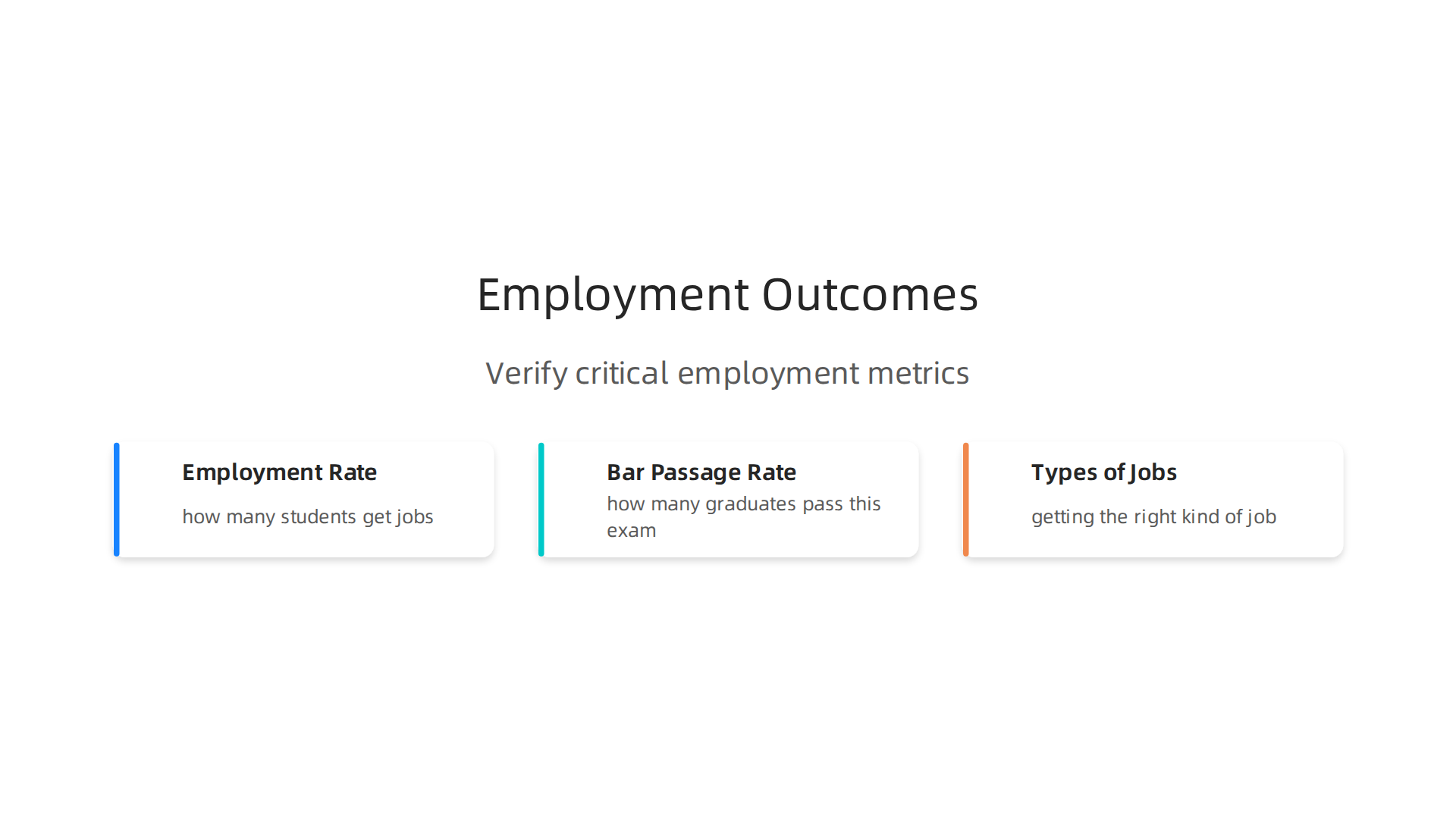
- Employment Rate: This number tells you how many students get jobs after finishing law school. For example, for Detroit Mercy Law’s 2022 graduates, 90% found jobs in legal and other professional roles Detroit Mercy Law’s 2022 Graduates Achieve 90% Employment Rate. When you see this number, remember it often includes many kinds of jobs, not just those where you need to pass the bar exam.
- Bar Passage Rate: This shows how many graduates pass the bar exam. You need to pass this exam to become a licensed lawyer. Schools like University of Detroit Mercy School of Law share their Bar Passage Report 2025 for everyone to see. A high pass rate is a good sign that the school prepares students well.
- Types of Jobs: It is not just about getting a job. It is about getting the right kind of job for you. Are graduates becoming business lawyers? Are they working for the government, or in public interest? You might wonder how much do business lawyers make. Look for details about where graduates actually work, like in law firms, clerkships with judges, or corporations.
How to check these numbers for yourself
Law schools send their job numbers to the American Bar Association (ABA). This helps make sure the information is correct and easy to compare. Here’s how you can check:
- Look at the Actual Documents: Always try to find the official reports. Most schools, including Detroit Mercy Law, put their Consumer Information online. This often includes a detailed ABA Placement Summary 2023 that tells you all about where graduates go.
- Understand the Words: What does "employed" really mean? Sometimes it includes part-time jobs, jobs that don’t need a law degree, or even jobs at the school itself. Good reports will break this down so you can see how many full-time, long-term jobs that require a law degree were found.
- Check the Timeline: Schools usually report employment status about 10 months after graduation. This gives students time to find a job. You can find general Outcomes information on the university’s main site too.
- Compare Carefully: While the ABA sets rules, some schools might present their data a bit differently. When you compare Detroit Mercy Law to other schools like Pace Law or those reporting on Symplicity Columbia Law, make sure you’re comparing apples to apples. Look at the specific job types and salaries if that information is provided.
When you look at specific law schools like Detroit Mercy Law, Pace Law, or those showing their numbers on Symplicity Columbia Law, it’s also helpful to think about the bigger picture. What’s happening in the whole job market for lawyers in 2026? These larger trends can really change what jobs are available for new graduates.
The good news is that many law graduates are still finding jobs. In fact, employment for U.S. law school graduates hit a record high in 2025, according to data from the American Bar Association (ABA) reported in April 2026 Law grad employment hit record high again in 2025, ABA data shows. About 87.7% of the class of 2025 had full-time, long-term jobs that needed a law degree by March 2026 Legal News > Your source for information behind the law.
However, not all types of legal jobs are growing the same way. Some areas are seeing fewer hires, while others are really taking off.
New Areas for Legal Jobs in 2026
The legal world is changing fast, especially with new technology. Here are some areas where jobs are in high demand:
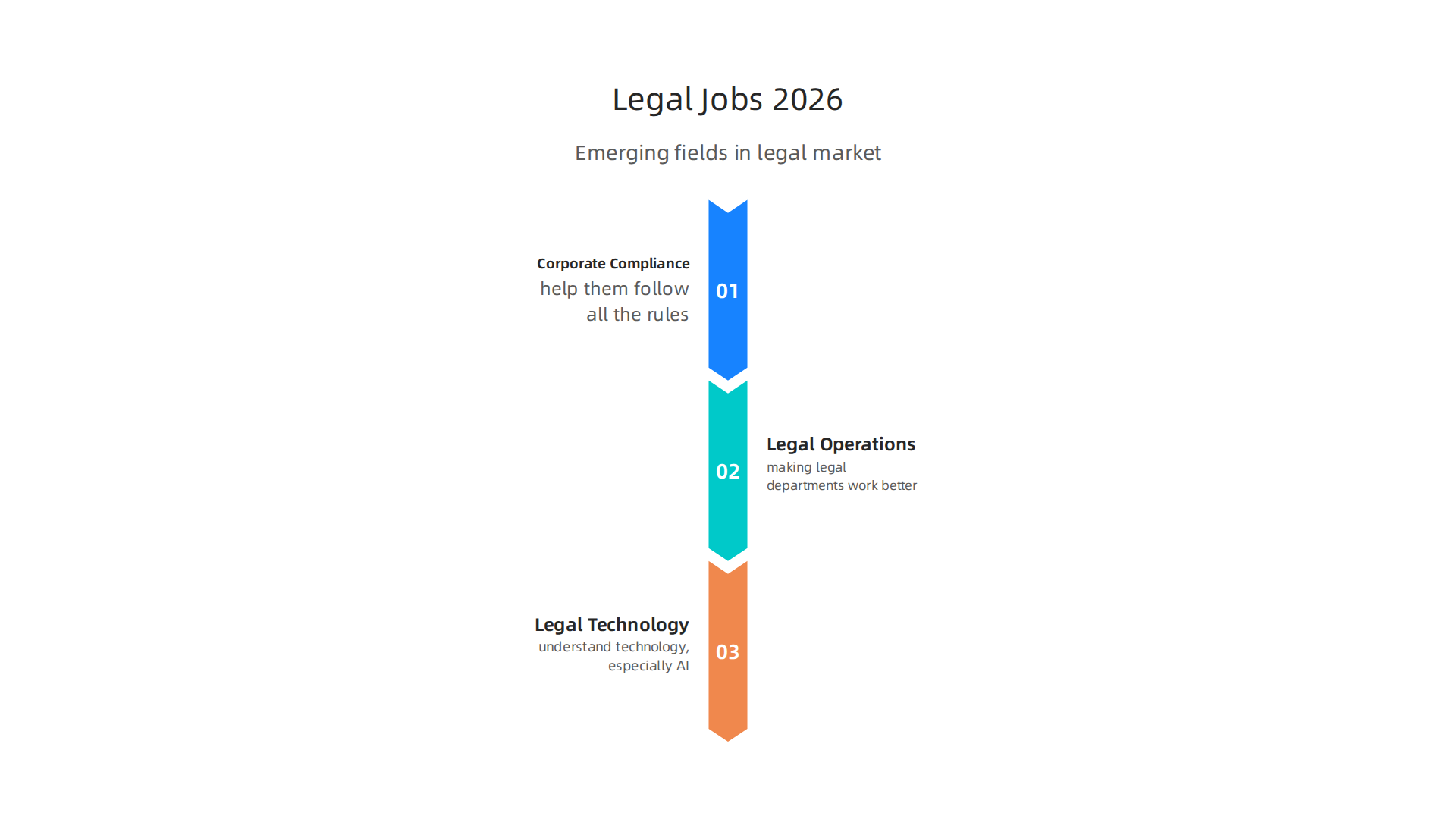
- Corporate Compliance and Rules Work: Many businesses need lawyers to help them follow all the rules and laws. This is called "corporate compliance" and "regulatory work." It’s about making sure companies act correctly and avoid problems.
- Legal Operations: This field is all about making legal departments work better and smarter. People in legal operations use tools and new ways of thinking to make legal services more efficient. They are becoming very important for law firms and company legal teams 2026 Legal Hiring Trends AI Impact Law Firm Staffing.
- Legal Technology and AI: This is a huge area right now. Employers are really looking for lawyers who understand technology, especially Artificial Intelligence (AI). Knowing how to use AI tools for legal research or to analyze contracts is becoming a must-have skill Essential Tech Skills for Lawyers in 2026. In 2026, many law firms are looking for graduates who can combine their legal knowledge with tech smarts, business thinking, and skills for working across different teams Legal hiring in 2026: AI skills and strategic expertise top employer demand. This demand applies to many types of lawyers, including those who want to know how much do business lawyers make.
It’s not just about knowing the law anymore. Now, lawyers also need skills in areas like data privacy and cybersecurity. The legal industry is seeing more demand for tech-savvy talent, even in non-tech companies Global Legal Market Conditions Report for Technology. Law firms are hiring fewer new grads but expecting them to have more skills, including the ability to use AI-assisted legal tools Law Firm hiring trends in 2026 – What freshers need to know …. This means future lawyers, including those from Detroit Mercy Law and other schools, need to focus on continuous learning and adapting to new technologies.
To stay on top of how AI is changing the legal world and other industries, consider signing up for the latest insights.
Get clear daily AI updates from The AI Newsletter Worth Reading.
This focus on technology is changing legal education trends for 2026, pushing schools to teach these new skills. It also means that the role of a lawyer defined in 2026 is much different than it was even a few years ago.
Employers in 2026 are looking for lawyers who can do more than just understand the law. They want people who have practical skills and can adapt to new challenges, especially with technology changing so much. This is where the academic offerings and hands-on programs at schools like Detroit Mercy Law truly shine.
Detroit Mercy Law has a strong history of getting its graduates ready for the job market. For instance, 90% of their 2022 graduates found jobs in legal and other professional fields Detroit Mercy Law’s 2022 Graduates Achieve 90% Employment Rate. The 2023 graduates had an even higher rate of 91% School of Law News. These high numbers show that the school’s approach helps students succeed.
Here’s how Detroit Mercy Law’s programs prepare students for today’s legal jobs:
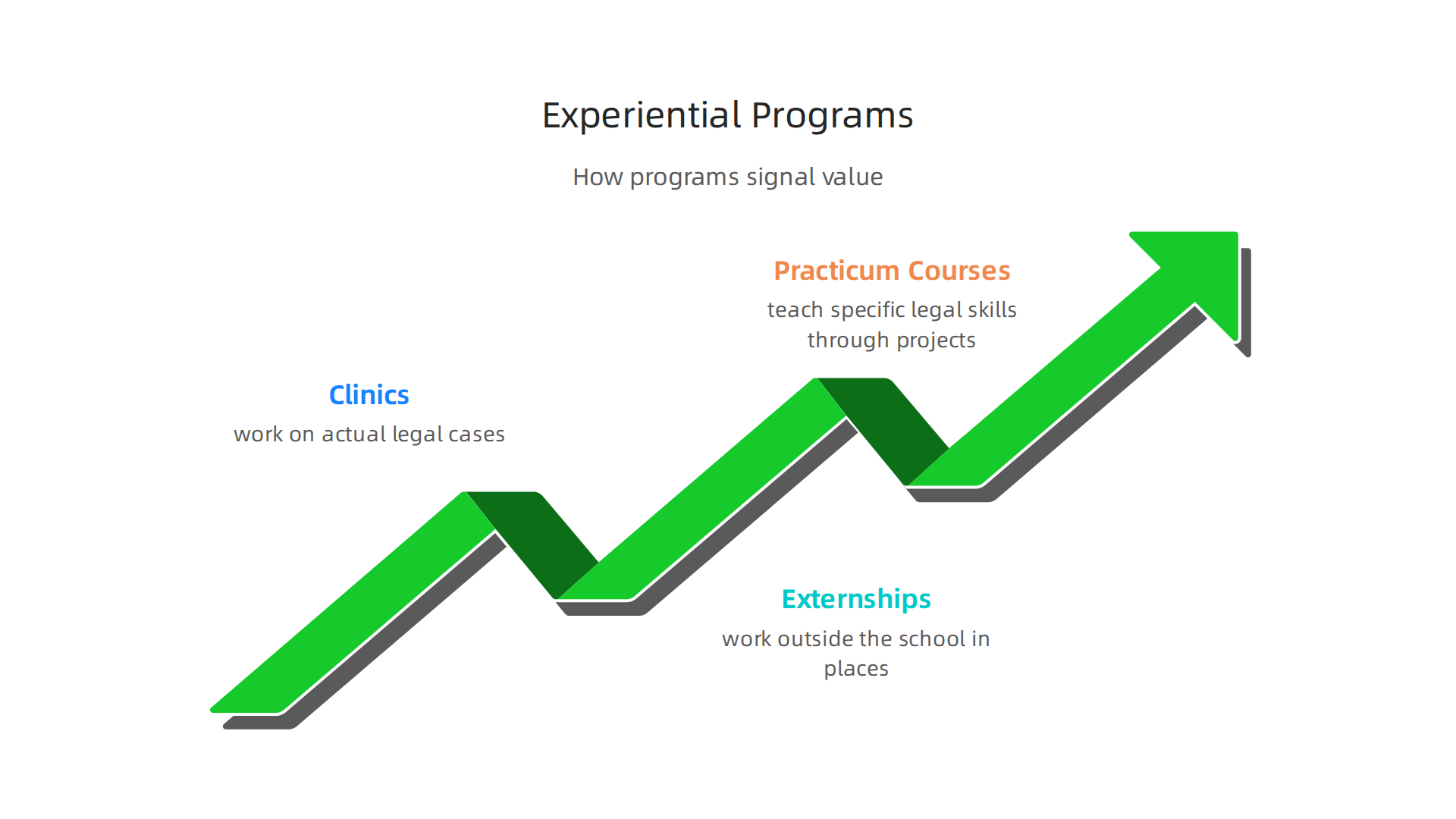
- Clinics: These are like real law offices inside the school. Students work on actual legal cases with real clients, all while being guided by experienced professors.

This hands-on experience helps them understand how legal work is truly done. Some clinics even focus on cutting-edge areas, like those where students are at the forefront of AI innovation University law clinic puts students at the forefront of AI innovation. The American Bar Association (ABA) even suggests that law schools require students to complete a certain number of hours in clinics or similar programs The Standardization of Law School Clinics.
- Externships: These programs let students work outside the school in places like law firms, courtrooms, or government agencies. It’s a great way to gain real-world experience and see firsthand what different legal jobs are like. This helps them learn what employers expect in the day-to-day work of a lawyer.
- Practicum Courses: These courses are designed to teach specific legal skills through projects and role-playing. Students learn how to write important legal papers, talk with clients, and even practice arguing cases. These courses make sure students have the skills they need for various legal roles, including those interested in The Business Corporate Lawyer In 2026 Evolving Role Tech Impact And Career Pathways.
In addition to these practical experiences, schools like Detroit Mercy Law offer specific learning paths that are highly valued by employers:
- Skill-Based Courses: These classes focus on key abilities like legal research, writing clear documents, and presenting arguments effectively. They teach students how to be excellent lawyers in practice, not just in theory.
- Certificate Programs: Some schools provide special certificates in areas like legal technology or compliance. These programs give students extra knowledge in high-demand fields and show employers they have advanced skills. Some schools are even starting to require first-year students to take courses that teach them how to use legal technology Albany Law School Pioneers Mandatory Legal Tech.
By focusing on these practical and forward-thinking academic programs, Detroit Mercy Law helps its students stand out. Graduates leave with both legal knowledge and the hands-on skills employers are actively looking for in 2026. This means they are well-prepared to start their legal careers and make an impact from their very first day.
Career Pathways: Traditional Legal Roles Versus Legal-Tech and Operations Roles
When you finish law school, there are many exciting paths you can take. For a long time, most lawyers chose "traditional" roles. But today in 2026, new jobs are opening up, especially in legal technology and how legal work is managed. Schools like Detroit Mercy Law help students get ready for all these different kinds of jobs.
Traditional Legal Roles
Many lawyers still go into these well-known roles:
- Private Practice: This means working at a law firm, from small local offices to big national ones. Lawyers here help many different clients with their legal problems. They might work in areas like family law, criminal defense, or helping businesses.
- In-House Counsel: Some lawyers work directly for a company. They are like the company’s own legal team. They advise the company on laws, contracts, and making sure everything is done correctly.
- Compliance: These lawyers make sure that companies follow all the rules and laws in their industry. This is a very important job to keep businesses out of trouble.
These roles still need sharp legal minds and great problem-solving skills, and understanding things like decoding attorneys at law roles is always helpful.
New Paths: Legal-Tech and Operations
However, the legal world is changing fast. Many new and interesting jobs are appearing, especially with the rise of new technology like Artificial Intelligence (AI).
- Legal Operations (Legal Ops): This path is all about making legal work run smoothly and efficiently, just like a business. People in legal ops look at budgets, how work flows, and how to manage tools and teams better. It’s a growing area for those who like to build and improve systems. You can learn more about these growing career paths in Breaking into Legal Tech.
- Legal Technology (Legal-Tech): These jobs combine legal knowledge with a love for technology. You might work as a legal technologist, managing AI tools for a law firm, or as an AI governance officer, making sure AI is used safely and fairly. These roles are very different from traditional law firm jobs, as explained in a guide to Legal Tech Jobs 2026. Some legal tech roles even pay very well, impacting how much many lawyers make in today’s market. If you are wondering about earnings, you can explore the highest paid types of lawyers.
Skills for Today’s Legal Jobs
To do well in any of these jobs, whether traditional or new, students need a special mix of skills. It’s not just about knowing the law. Employers in 2026 really want lawyers who can:
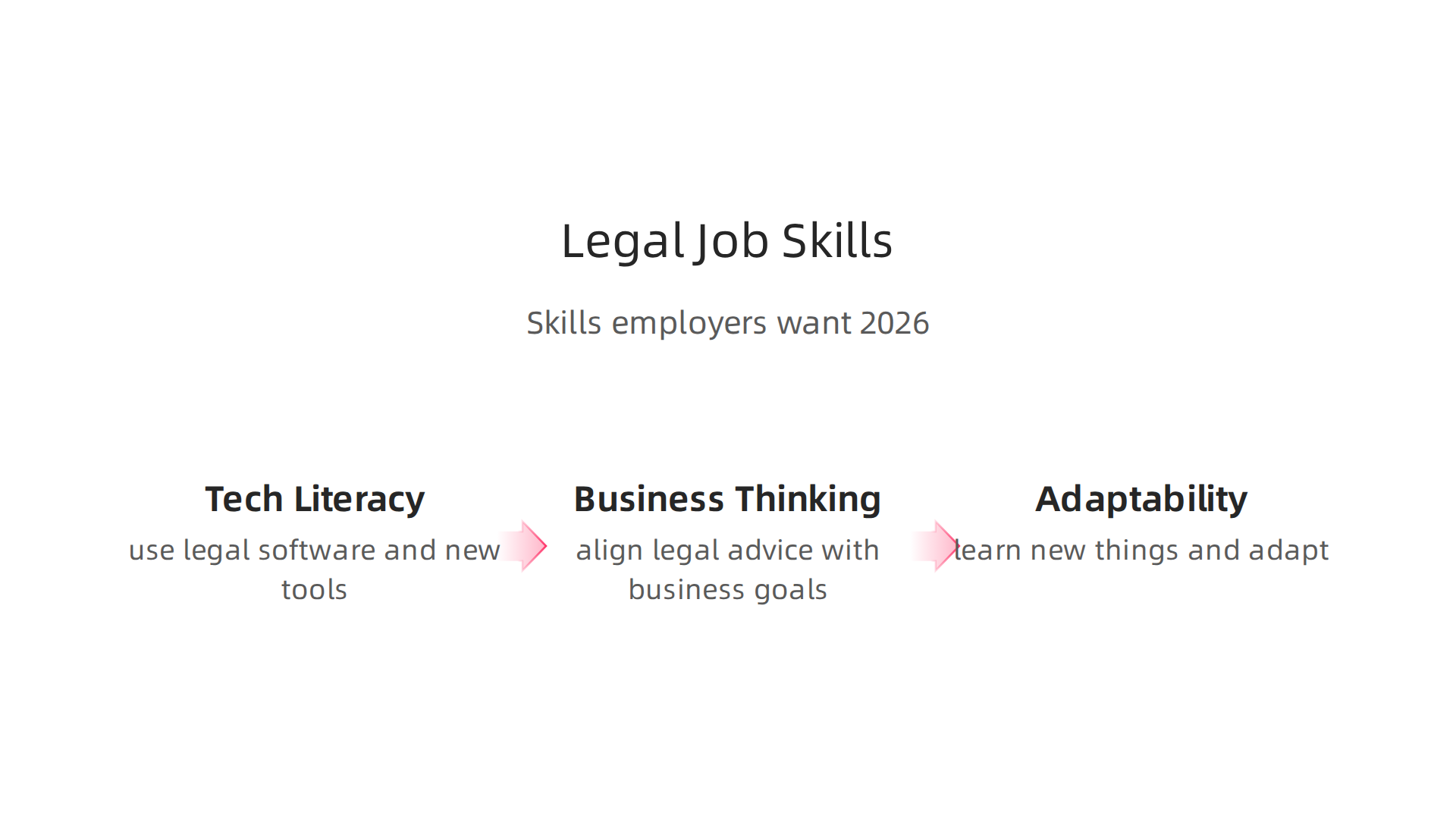
- Understand Technology: Knowing how to use legal software and new tools like AI is very important. Employers are looking for lawyers with AI skills and strategic expertise.
- Think Like a Business Person: Being able to see the bigger picture and understand how legal advice affects a business’s goals is a huge plus.
- Be Flexible: The legal world changes all the time, so being able to learn new things and adapt is key.
Law schools, including Detroit Mercy Law, are working hard to make sure their students get these skills. They offer programs that teach about legal education trends 2026 and help students bridge any gaps between school and the fast-paced legal job market.
For anyone keen on the intersection of law and technology, keeping up with daily changes is a must.
Get clear daily AI updates from The AI Newsletter Worth Reading.
Today in 2026, employers look for more than just where you went to law school. While a school’s name (its "pedigree") can open doors, what you can actually do is becoming much more important. Law firms and companies want to see that you have real skills that they need.
What Employers Look For
Hiring managers use many signals to decide who to hire. Think of it like a puzzle with many pieces.
- School Reputation and Grades: A good school and strong grades still matter. They show you can work hard and understand complex legal ideas. Schools like Columbia Law School often share their employment statistics, showing how many of their graduates find jobs. However, even with record high employment for law grads in 2025, employers are looking deeper than just these basic facts to identify top talent for key roles.
- Clinical Experience: This is hands-on learning, like working in a legal clinic while you’re still in school. It shows you know how to apply law in real life. It also proves you can work with clients and handle actual legal problems.
- Certifications: Beyond your law degree, extra certifications in areas like legal technology or data privacy can make you stand out. They show you’re serious about gaining specific, valuable skills.
- Tech Skill Demonstrations: Can you use AI tools for legal research? Do you understand how legal software works? Showing these skills is a big plus. Employers want lawyers who are comfortable with new tools because many law departments are adding new legal technology in 2026. This is especially true for roles in legal tech and operations. Many firms are now looking for junior lawyers who can blend legal smarts with tech know-how, as highlighted in a guide to law firm hiring trends in 2026.
- Business Thinking: Knowing how legal work affects a business’s goals, like how much do business lawyers make or how their work impacts company profits, is highly valued. It shows you think beyond just the law itself. You can find out more about how business lawyers make money in various settings.
How to Show Your Best Self
If you’re a law student at Detroit Mercy Law or any other school, you can do things to show employers you have the skills they want.
- Highlight Practical Work: Talk about any internships, externships, or clinical work you did. Explain what you learned and how you helped real clients.
- Show Off Tech Skills: If you took classes on legal tech, or used AI tools for research, make sure your resume and interviews show this. Even a simple project where you used legal software can be a big help.
- Seek Certifications: Look for online courses or programs that offer certifications in legal tech, project management, or other in-demand areas.
- Use Career Services: Your law school’s career services office can help you put together a strong resume and practice for interviews. They can also connect you with alumni and job openings. For example, many law schools report their graduate employment data to help students understand the job market and prepare effectively.
- Networking: Talk to lawyers and other legal professionals. Ask them what skills they use most often and what they look for in new hires. Building connections can lead to job opportunities and advice on career paths, like those at Pace Law.
By focusing on these demonstrable skills, you can show employers that you are ready for the changing legal world of 2026, no matter your law school’s name. It’s about showing you are a well-rounded and skilled professional.
The legal world is changing fast, and showing you have the right skills is key. Here’s what students, schools, and employers can do right now to get ready for the legal jobs of 2026.
For Law Students (like those at Detroit Mercy Law)
If you’re a student, your goal is to build skills that companies truly want.
- Pick Smart Courses: Look for classes focused on legal technology, data privacy, or artificial intelligence (AI). Many law schools are now offering special programs in these areas. For example, some schools require first-year students to take a course in legal tech, while others are developing AI modules for all students to complete. Emory University School of Law is even launching an AI and the Law concentration in Fall 2026. These types of courses will make you much more attractive to employers. You can also explore different legal career paths and job search strategies for 2026 to help guide your choices.
- Get Hands-On Experience: Join legal clinics or externships. These give you real-world practice, like helping clients or working with new legal software. Clinics focusing on technology law or innovation are especially valuable. For instance, some university law clinics are putting students at the forefront of AI innovation by having them work with clients on technology law issues. The American Bar Association recommends that law schools require students to complete at least six credit hours in a clinic, simulation, or field placement to ensure practical experience.
- Earn Extra Certifications: Beyond your law degree, consider online courses that offer certificates in legal project management, cybersecurity, or specific legal software. These show you’re serious about gaining niche skills.
- Network, Network, Network: Talk to lawyers, legal tech experts, and alumni from schools like Detroit Mercy Law or Pace Law. Ask them what skills they use daily and what hiring managers look for. Building these connections can open doors to internships and jobs, and give you insights into new roles like those in legal operations or AI governance. Many of these newer roles are distinct from traditional law firm associate positions, offering varied legal tech jobs in 2026.
- Use Your Career Services: Your law school’s career office is there to help. They can connect you to resources like Symplicity Columbia Law uses for job postings, help you practice interviews, and introduce you to alumni who are working in interesting fields.
For Employers and Law Schools
To find the best new talent, employers and schools need to work together.
- Schools Should Adapt Curriculum: Law schools should make sure their courses teach the skills employers need today, especially in legal technology and business understanding. This means more practical training and less focus on just theory. The University of Chicago Law, for example, has unveiled a new AI strategy for legal education that includes AI modules for first-year students and integrating AI tools into clinics.
- Employers Should Be Clear: When hiring, companies should clearly state what technical or business skills they expect. This helps students know what to focus on during their studies. It also helps schools create programs that match those needs. If you want to know more about the many ways legal tech is changing the profession, you can find a guide to Lawyer Defined 2026: How Technology Reshapes the Attorney Role.
- Create Internships and Apprenticeships: Offering more real-world learning chances is a win-win. Students get experience, and employers get to train future hires in the exact skills they need. This also helps students understand roles like how much do business lawyers make, giving them a clearer career path.
By following these steps, everyone involved can make sure law graduates are ready for the exciting and changing legal landscape of 2026.
Staying informed about the rapid changes in legal tech is crucial.
The AI Newsletter Worth Reading offers daily updates to keep you ahead.
Summary
This article explains why law‑school outcomes and institutional offerings matter more than ever for legal careers in 2026, using Detroit Mercy Law as an example. It shows what to look for—employment rates, bar passage, and the types of jobs graduates take—and explains how to verify those claims through ABA reports and school disclosures. The piece also maps how the job market is shifting toward legal technology, legal operations, and compliance work, and why employers increasingly value tech, business judgment, and practical experience. You will learn how clinics, externships, practicums, and certificates can make you more competitive, how to compare schools fairly, and which skills to prioritize while you’re in law school. By the end, readers will know concrete steps to evaluate law‑school outcomes and to build the capabilities that employers seek today.