Legal Professionals: Leverage Law School Platforms for Firm Growth

Why legal professionals should care about law-school platforms and professional development tools
The world of law is always changing, and it’s moving faster than ever in 2026. Legal professionals, from those just starting out to seasoned partners, face new challenges every day. Things like how lawyers are taught, how they find jobs, and how they keep learning new skills are all transforming quickly. It’s not just about knowing the law anymore. It’s also about using new tools and understanding new ways of working. This is why many legal experts are looking at resources that help them stay sharp and ready for what’s next.
Think about how legal education has changed. Law schools are now training students with skills that go beyond just textbooks. They are focusing on practical tools and modern ways to solve legal problems. Also, how lawyers find their first jobs and how firms recruit new talent has also shifted. Platforms that help with career services are becoming super important. And for those already in their careers, learning new things is no longer an option, it’s a must.

Continuing professional development helps lawyers keep up with the latest legal changes and technology.
This article will help you understand how academic platforms, like the ones used by Suffolk Law and other schools, can be useful. We will look closely at Symplicity, a popular system used by many law schools, including Suffolk Law. Symplicity helps students and alumni find jobs and connect with employers. For example, law schools like UMass Law use Symplicity as an online job bank and recruitment system for students and graduates to browse postings and upload materials 2026. You can use Symplicity to find jobs, apply for them, and manage your application papers 2026. This system is a web-based tool for career services that lets students search job postings and manage applications 2026.
We will show you how legal professionals can use these kinds of platforms. It’s not just for students. These tools can help practicing lawyers learn new skills, find new opportunities, and even find great new talent for their own teams. By understanding how platforms like Symplicity’s Career Services Manager work, you can stay ahead in your legal career and make smart choices for your firm.
Want to stay informed about the latest tech insights for lawyers?
The AI Newsletter Worth Reading
What Symplicity is and how law schools (including Suffolk) typically use it
Symplicity is a special online system that many law schools use to help their students and graduates find jobs and grow their careers. Think of it as a central hub for career services. It is a web-based tool that makes it easier for students to connect with possible employers and manage their job hunt. Schools like UMass Law use Symplicity as an online job bank and recruitment system where students can look at job postings and upload their application papers in 2026.
Here is how Symplicity helps students and law schools:
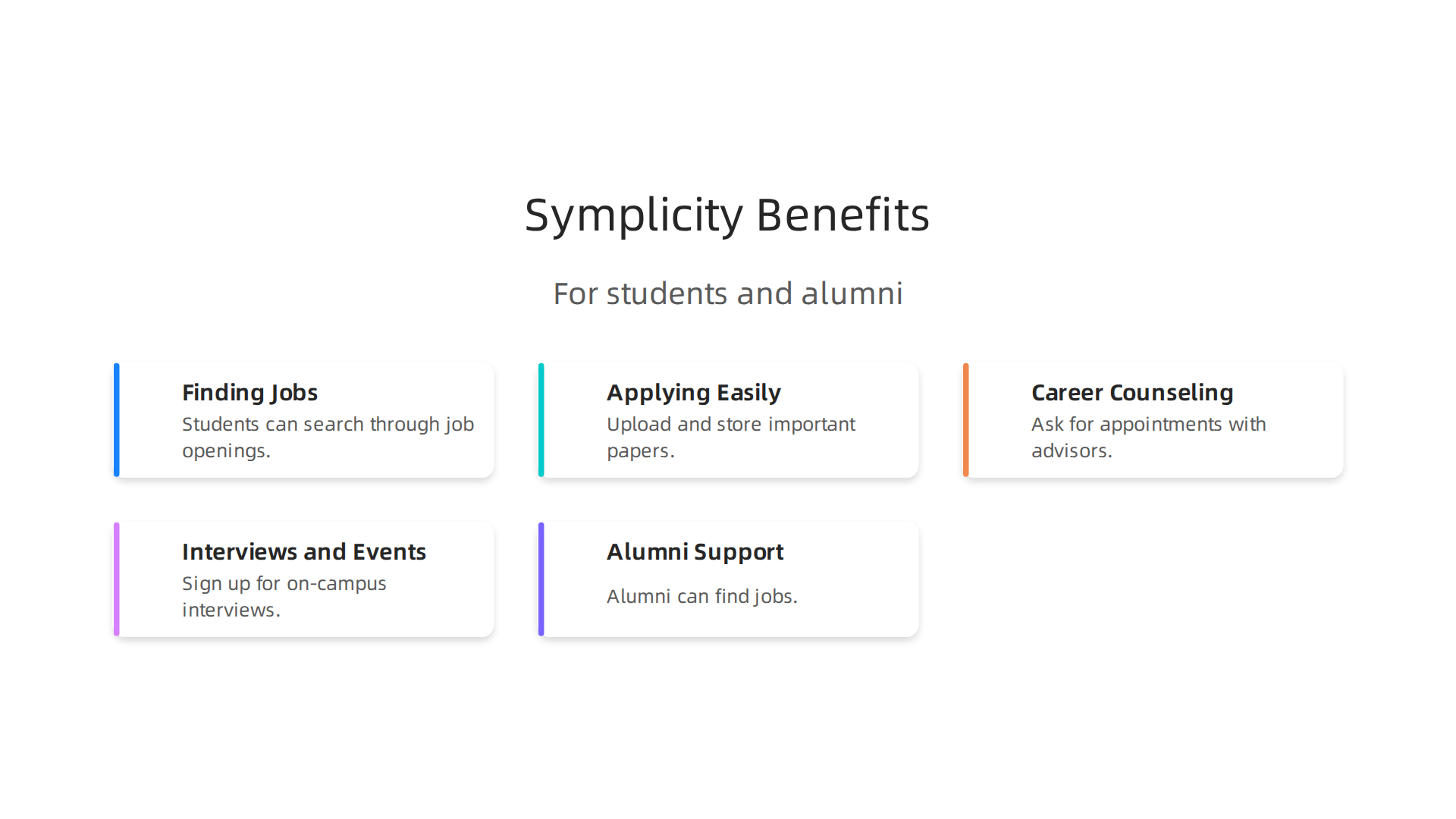
For Students and Alumni
- Finding Jobs: Students can search through a huge list of job openings, including volunteer (pro bono) work umass law career services office: symplicity overview for students. They can even set up alerts to get new job postings sent right to their email Student Access | UMass Law – UMass Dartmouth.
- Applying Easily: The system lets students upload and store important papers like resumes and cover letters. This means they can manage their application materials all in one place 1 | P a g e.
- Career Counseling: Students can ask for appointments with career advisors. For example, Suffolk Law uses its Symplicity system to let students request career counseling sessions Student Guide to Symplicity.
- Interviews and Events: Symplicity is also used to sign up for on-campus interviews with employers and register for career workshops and events Job Postings/Symplicity.
- Alumni Support: Even after graduation, alumni can still use Symplicity to find current attorney job listings and manage their profiles Symplicity Alumni and LLM Student User Guide – UC Davis School of Law. This helps them continue their professional development.
How Law Schools Use Symplicity
Law schools, like Suffolk Law, use Symplicity to make their career services work smoothly. They can post jobs, manage job applications, and help students and alumni connect with employers. This system helps them run recruitment programs and keep track of student job searches. It’s a key tool for preparing students for successful careers. Understanding these trends in legal education can help you prepare for the future of law legal education trends 2026.
For a school like Suffolk Law, Symplicity is more than just a job board. It is a full career management system that helps shape students’ futures in the legal world.
Want to stay informed about the latest tech insights for lawyers? Get clear daily AI updates from The AI Newsletter Worth Reading.
When we talk about Suffolk Law, its career services go beyond just Symplicity. It is a system that works hand-in-hand with many other programs to truly get students ready for their legal careers. Law schools, including Suffolk Law, offer special ways to help students learn and find jobs. These programs give students real-world practice and help them build important connections.
Real-World Learning Programs
Suffolk Law, like many other law schools, provides hands-on experiences. These often include:
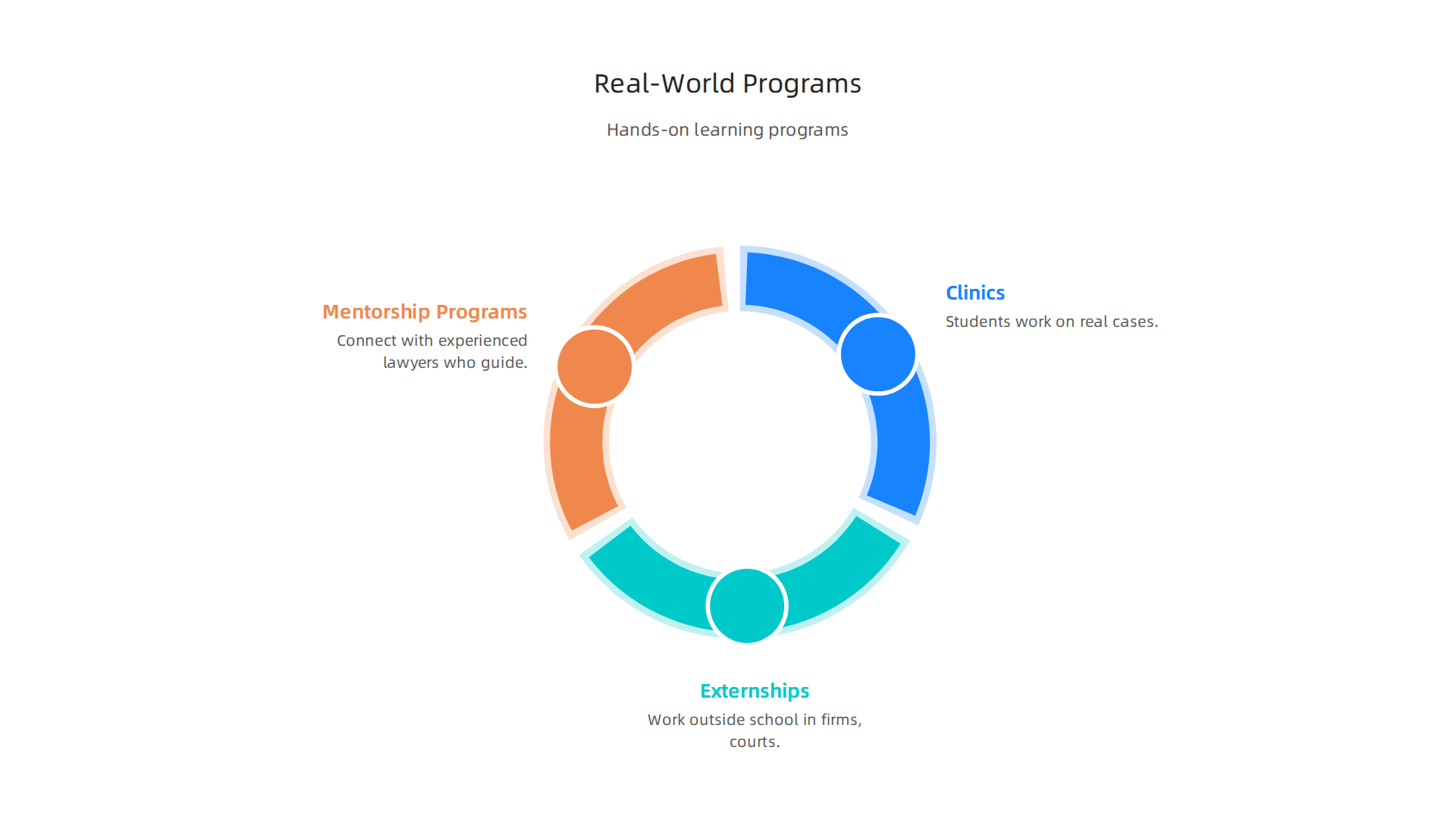
- Clinics: Students work on real cases under the guidance of professors. They help real people with legal problems, which is great for learning practical skills.
- Externships: Students get to work outside the school in places like law firms, government offices, or courts. This lets them see how the law works every day. Many schools use systems like Symplicity to help students find these kinds of opportunities.
- Mentorship Programs: Sometimes, students can connect with experienced lawyers who guide them. This helps them learn what it’s like to be a lawyer. Law schools use their platforms to list resources that help students find informal mentors and learn about events informal mentors and workshops.
These programs are key because they teach students things you cannot just learn from books. They prepare students for the demands of the legal world.
Connecting with Employers and Local Opportunities
A big part of what schools like Suffolk Law do is help students meet future employers.

While Symplicity is a great tool for finding job listings, schools also build their own local ties.
- Employer Outreach: Career services teams actively connect with law firms, companies, and other organizations. They tell employers about their talented students and set up job fairs and interviews.
- Local Focus: For Suffolk Law, working with employers in Boston and the wider New England area is very important. These local relationships mean more job openings that might not be listed on a general job board. This school-specific content adds a lot more value than just a generic job site.
- Alumni Network: The school keeps in touch with its graduates, who can then help current students find jobs. They often share job openings or give advice. This ongoing support is a core part of professional development.
By combining a strong platform like Symplicity with direct connections and special programs, Suffolk Law gives its students a full package for career success. This approach helps students from places like Memphis Law to understand how important it is to have both general job tools and specific school support. Understanding these tools and services helps prepare students for their legal careers and for staying updated on the legal market landscape. If you’re looking to enhance your understanding of the legal market, knowing how to find detailed information from various sources is helpful, like reviewing a comprehensive legal market landscape report.
These career services aim to make sure students have a clear path from student life to becoming a working lawyer. They also help students understand the many paths a law degree can open, whether it’s working in a big law firm or focusing on public service.
Making sure students have a clear path to becoming lawyers is just one side of the coin. For law firms and legal teams, the way academic career platforms work is very important for finding new talent and for helping their own teams grow. In 2026, it’s not enough to just post a job. Legal teams need to carefully look at how these school platforms can truly help them recruit the best students and build strong training programs.

Evaluating Academic Career Platforms for Professional Development and Hiring
When legal teams want to hire new lawyers or find interns, they need to know how well law school platforms, like the one used by Suffolk Law, can help. This means looking beyond just a list of features. It’s about seeing how these tools fit into their bigger plans for finding people, training them, and growing as a business.
Here’s a simple checklist for legal teams to consider:
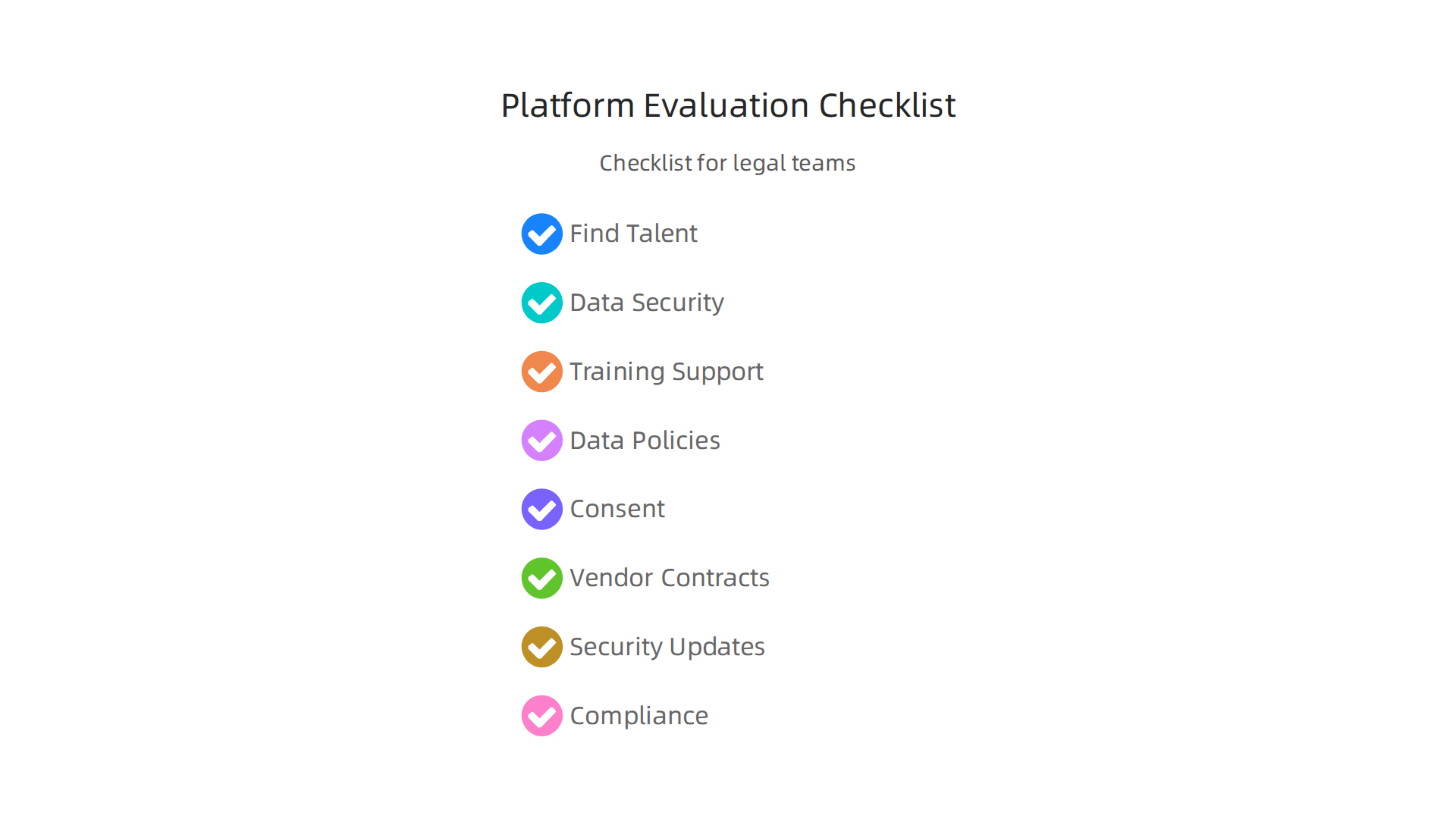
- Finding the Right Talent: A good platform should let law firms easily post job openings, internships, and externships. It should also allow them to search for students based on their skills, grades, and interests. Think about how many students from places like Memphis Law are using these systems. Can you easily connect with them?
- Data Security and Privacy: This is super important. When a law firm uses a school’s platform, they are often dealing with student information. They need to be sure that the platform keeps student data safe. Schools should have clear rules about student data privacy and how they share information with outside groups, as highlighted by various privacy guidelines, including the Student Data Privacy Guidance for educational systems. It’s also vital to consider the Ethical Reflections on Career Outcome Data to ensure fair and proper handling of sensitive career information.
- Support for Training and Growth: Can the platform help manage a firm’s training programs for new hires or interns? Can it track how well students are doing in special projects or continuing education programs?
Aligning Platform Features with Measurable Goals
To make smart choices, legal teams need to connect the platform’s features with clear goals:
- Building Strong Hiring Pipelines: Platforms should help create a steady flow of talented students who might become full-time employees. This involves more than just job boards; it means setting up interview schedules, managing applications, and tracking candidates.
- Improving Internship Conversions: Internships are a great way to find future lawyers. It’s crucial to measure how many interns are offered full-time jobs and how many accept. A good platform can help track these numbers. For instance, strong internship programs can lead to high retention rates, with more than three-quarters of new hires who interned staying with their employer after a year, as noted in the Internship Program Retention Rates Underscore Long-term ROI. Learning how to calculate the Intern-to-Full Time Conversion Rate is key for understanding the value of these programs.
- Supporting Continuing Education: The legal world changes fast. Platforms should ideally support ongoing learning for new hires, maybe by listing specialized courses or training modules. Staying updated on Legal Education Trends 2026 is important for all legal professionals.
By carefully evaluating these academic career platforms, legal teams can ensure they are using the best tools available in 2026 to recruit effectively, train wisely, and grow their firms with top legal talent.
Staying informed about how technology shapes the legal profession is a game-changer for smart recruitment.
Get clear daily AI updates from The AI Newsletter Worth Reading.
When legal teams work with academic career platforms, data privacy and keeping information safe are huge concerns. It’s not just about what schools like Suffolk Law or Memphis Law do, but also what the legal firms themselves need to protect. Sharing student and alumni data comes with important risks.
Privacy, compliance, and risk considerations when using student and alumni data
Legal firms and schools share a lot of information on these career platforms. This can include student names, grades, contact details, and even job history. If this information isn’t kept safe, it can lead to big problems. Imagine if personal details got out or were used in ways students didn’t agree to. That’s why privacy is so critical. Also, there are many rules and laws, like the Family Educational Rights and Privacy Act (FERPA), that say how student data must be handled. For example, Harvard University has clear FERPA Policies for Harvard Alumni to protect their information.
For both schools and legal teams, the main worries are:
- Data leaks: When private information gets into the wrong hands.
- Misuse of data: If data is used for something other than helping students find jobs or internships, without their permission.
- Breaking the rules: Not following privacy laws can lead to big fines and hurt a firm’s good name. These are serious ethical issues, as mentioned in considerations for Section III Privacy for educational products.
Steps for Schools and Legal Teams to Protect Data
To avoid these risks, everyone needs to be very careful. Legal teams should expect schools and platform vendors to have strong plans in place. Here’s what to look for:
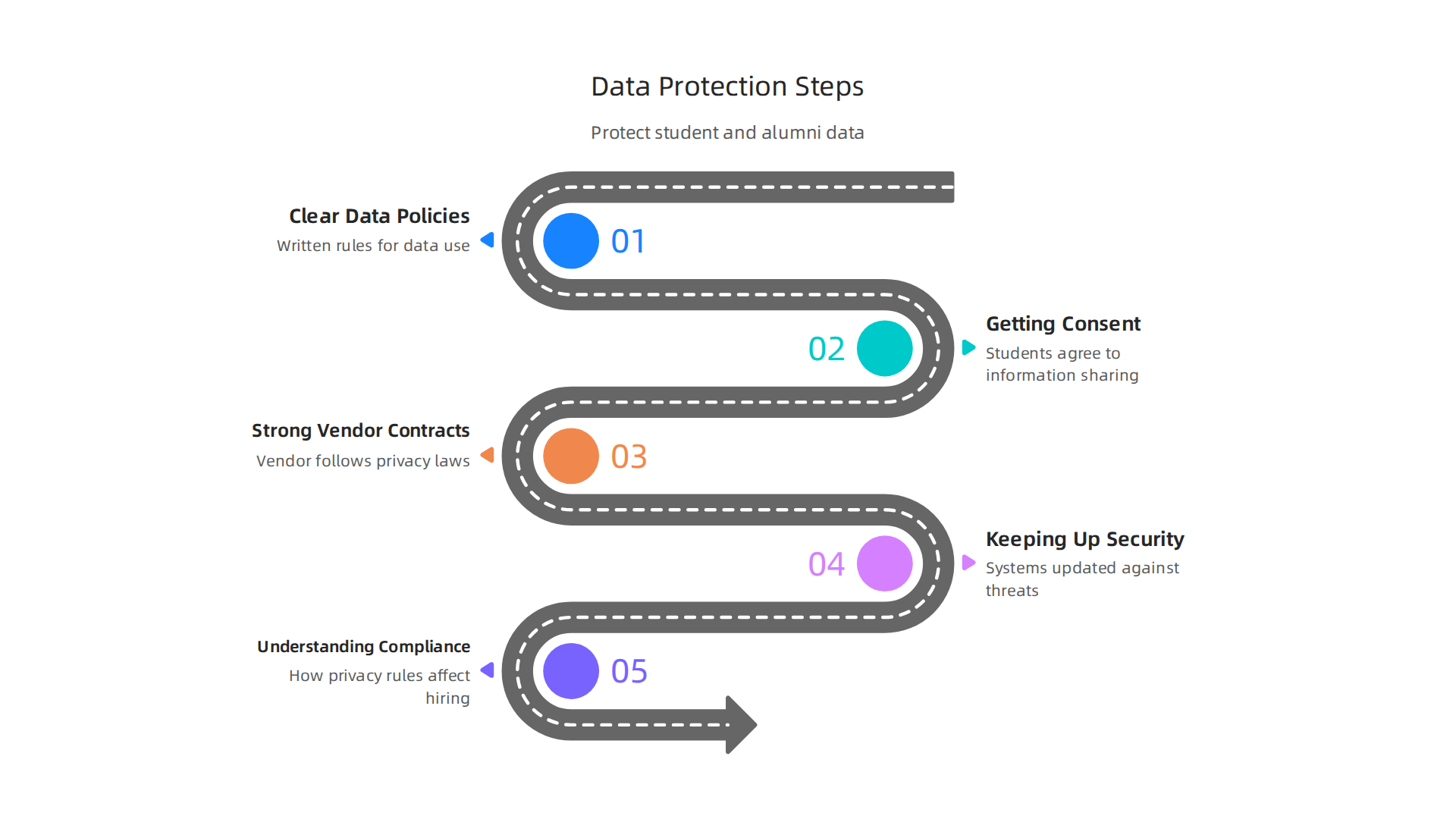
- Clear Data Protection Policies: Schools should have written rules about how they collect, use, and share student data. This includes having strong passwords for sensitive data, like outlined in the ECRC Privacy Policy for career services. Firms need to make sure the platform, like Symplicity, builds privacy into its design.
- Getting Consent: Students must agree to have their information shared. They should understand what data is being shared and with whom. This makes sure students have a say in their own information.
- Strong Vendor Contracts: When a school works with a platform company, they need a clear contract. This contract should state that the vendor will follow all privacy laws, like FERPA. It should also say how the vendor will keep data safe and what happens if there’s a problem. Legal teams looking to choose partners should ask to see these types of agreements. A good contract checklist helps make sure all bases are covered, as detailed in a Contract Review Checklist from the University System of New Hampshire. Firms should ensure the vendor acts as an agent with a "legitimate educational interest" in accessing records and complies with FERPA, as highlighted in "The Science of the Deal."
These contracts also need to make sure the vendor has clear data usage and confidentiality policies, as noted by Union College’s pre-signature contract checklist. - Keeping Up with Security: Both schools and legal teams need to keep their systems updated to fight against new online threats. Learning how law firms defend legal data against phishing emails is a great example of being proactive.
- Understanding Compliance: For legal teams, understanding how these privacy rules affect their hiring practices is key for strong law firm brand and compliance.
By taking these steps, legal teams can feel more confident when using academic career platforms to find talent and grow their firms, knowing they are protecting student data and following all the rules. It helps to choose law firms in NYC based on their expertise and how they secure data.
Legal teams can feel good about using academic career platforms like Symplicity when they know student data is kept safe. Once that trust is there, these platforms open the door to exciting ways for legal firms to find and train future lawyers. This means working closely with law schools like Suffolk Law and Memphis Law to create programs that help both students and firms.
Using law-school platforms to build training, externship, and pipeline programs
Legal firms can partner with law schools to design special programs. These programs help students get real-world experience and give firms a chance to see new talent in action. It’s a smart way to find future hires.
Here’s how firms and schools can work together:
- Externships: These are like internships but often give students school credit. Students work in a firm for a short time, learning how things are done. This helps them get ready for a legal career by giving them hands-on practice. For example, some externships lead directly to jobs, and data shows students who extern in legal roles often have better job outcomes. Externship placements in places like corporate legal departments are great for teaching skills that are not always covered in school.
- Clinics: Law school clinics let students work on real cases under the watch of experienced lawyers. This gives them very practical experience and helps people who need legal help.
- Training Programs: Firms can work with schools to create specific training that helps students learn the exact skills needed for certain legal jobs. This makes sure students are ready to jump into work right after school. Keeping up with legal education trends for 2026 can help firms create the best programs.
Measuring How Well Programs Work
It’s important to know if these programs are truly helping. Firms need to measure their success. This is often called Return on Investment, or ROI.
Key things to look at:
- Conversion Rate: This is how many students who did an externship or internship get hired full-time by the firm. The average intern-to-full-time conversion rate can vary, but it’s a key sign of a program’s value. For example, some reports show this rate reached 63.1% for the 2024-25 intern class. Knowing how to calculate an intern-to-full-time conversion rate helps firms track success.
- Retention Rates: This shows how long those new hires stay with the firm. If interns who become full-time employees stay longer, it means the firm found a good fit, saving money on future hiring. More than three-quarters of new hires who had an internship stay after one year.
- Cost and Value: Firms should look at the costs of running a program (like paying interns or staff time) versus the value of hiring someone who is already familiar with the firm. This includes things like reduced training time and better productivity. The way firms measure internship program ROI often includes looking at conversion rate, retention, and time-to-productivity.
For legal teams looking to bring in new talent, learning how to partner with law firms is key. Good partnerships with academic institutions help firms find skilled individuals, but also help shape the next generation of legal professionals.
Keeping Relationships Strong
To keep these programs running well, firms should build strong, lasting relationships with law schools. This means:
- Regular Talks: Keep talking with school staff about what’s working and what could be better.
- Feedback: Give students and the school honest feedback on performance.
- Being Flexible: Be open to changing programs to meet new needs in the legal world.
By doing these things, legal firms can make sure they always have a great group of new lawyers ready to join their team. Staying informed about the latest in legal tech and partnerships is always a good idea. Get clear daily AI updates to help you stay ahead in the legal world from The AI Newsletter Worth Reading.
As legal firms work to build strong relationships with law schools, it’s also important to look at what’s new and what’s coming next. In 2026, technology is changing how lawyers are trained and hired. This includes new tools like AI, smart ways to use data, and smaller learning programs called micro-credentials.
Emerging Features and Trends
Law schools and legal career platforms are quickly adding new features to help students and firms.
AI-Powered Tools
Artificial intelligence (AI) is making a big difference.
- Smart Matching: AI tools can help match students with the right jobs or externships based on their skills and interests. This is like a smart helper that knows what each student is good at and what a firm needs. Some platforms, such as those that provide legal intelligence for law schools, help connect students with firms and job opportunities Law School Career Intelligence Platform.
- Training with AI: Law schools are now teaching students how to use AI tools that lawyers use every day. For example, Boston University School of Law is starting a new program to teach students about AI in law practice Boston University Law to launch AI certificate for J.D. students in Fall 2026. This means new lawyers from schools like Suffolk Law will be ready to work with the latest technology from day one. Some schools are even launching wide programs to teach AI to all law students Southwestern Law School.
- Legal Research: AI is also changing how legal research is done, making it faster and more complete. Firms can use this to find the best legal tech tools. To understand more about how these changes affect firms, you can learn about how an AI law firm drives growth with interactive legal tools.
Analytics for Outcomes
"Analytics" means using data to understand how well things are working.
- Student Performance: Schools and firms can use data to see how students are doing in their programs. This helps them give better feedback and make sure students are learning important skills. Data can show how much students are learning and if they are getting better at certain tasks Micro-credentials in higher education: transforming ….
- Program Success: Firms can look at data to see if their externship or training programs are truly helping students become great lawyers. This helps them make smart choices about where to put their time and money.
Micro-credentials and Lifelong Learning
"Micro-credentials" are like small badges or certificates that show someone has learned a specific skill. They are becoming very popular.
- Focused Skills: Instead of a full degree, a student might earn a micro-credential in "AI for Legal Research" or "Data Privacy Law." This helps them get very specific skills that firms need right now. Many higher education places are now offering these focused learning options Introducing Coursera’s Micro-Credentials Report 2026.
- Continuous Learning: The legal world changes fast. Micro-credentials allow lawyers to keep learning new things throughout their careers. This is known as "lifelong learning." It means they can always add new skills, like data analytics, even after they’ve finished law school. You can even earn a Professional Focus + Google Data Analytics Certificate to show these skills.
Integrating Academic Platforms for Professional Growth
For legal leaders, using academic career platforms like Symplicity isn’t just about hiring new talent. It’s about building a plan for how all lawyers in the firm will keep learning and growing.
- Ongoing Training: Firms can work with schools to offer micro-credentials or short courses to their current lawyers. This keeps everyone’s skills sharp, especially in new areas like legal AI and data protection.
- Skill Development: By looking at what skills their team needs, firms can find school programs or micro-credentials that help fill those gaps. This helps the firm stay strong and ready for future challenges.
- Using Data to Plan: Firms can use the same kind of analytics that schools use to track how well their own lawyers are doing. This helps them make good decisions about training and career paths for their team.
By embracing these new trends, legal firms can make sure they are always ready for the future. They can find top talent, help their current lawyers grow, and use the best new tools available. Keeping an eye on choosing the best new legal tech for law firms in 2026 is a smart way to stay ahead.
Summary
This article explains why legal professionals need to pay attention to law‑school platforms and professional development tools in 2026, using Symplicity and examples from schools like Suffolk and UMass Law as grounding. It describes how these systems serve students and alumni—job listings, application management, career counseling, and event sign‑ups—and how firms can use the same platforms to recruit, train, and pipeline talent through externships and clinics. The piece covers practical vendor and data‑privacy concerns (including FERPA and vendor contracts), how to measure program success with metrics like intern‑to‑full‑time conversion and retention, and why emerging features such as AI matching, analytics, and micro‑credentials matter. Readers will learn what to look for when evaluating platforms, how to protect student data, and how to design partnerships and programs that deliver measurable ROI. By the end, legal leaders should be able to assess platform fit, negotiate privacy and vendor terms, and build training and hiring programs that leverage academic tools to strengthen their teams.