
SCU Law Drives Legal Tech Innovation with Future-Ready Talent

Santa Clara University School of Law, often called SCU Law, stands in a special place. It is located right in the heart of Silicon Valley, a famous area known for new ideas and big tech companies. This location means that SCU Law is deeply connected to the world of technology. The school offers strong programs, including special certificates in high tech law, international law, and privacy law, showing its focus on modern legal needs Degree Programs. These unique law courses help students get ready for a fast-changing legal world.
For people who work in legal technology, manage hiring, or lead legal operations, it is very important to keep an eye on SCU Law. Its connection to Silicon Valley means its students and research are often at the forefront of legal innovation. Legal leaders should pay close attention to the special programs and new ideas coming from SCU Law. This helps them find new talent and understand future trends,

especially when looking at legal education trends 2026. The graduates from SCU Law are often well-prepared to work with new legal tools and challenges.
This article will give you practical information about SCU Law. It will help you make smart choices about working together, hiring new legal staff, and finding people who fit well with your team’s goals. Knowing more about this important institution can help you stay ahead. To keep up with even more changes in technology, especially AI, consider subscribing to The AI Newsletter Worth Reading.
SCU Law at a Glance: Size, Specialties, and Strategic Focus
Santa Clara University School of Law, known as SCU Law, offers many different programs for future lawyers.
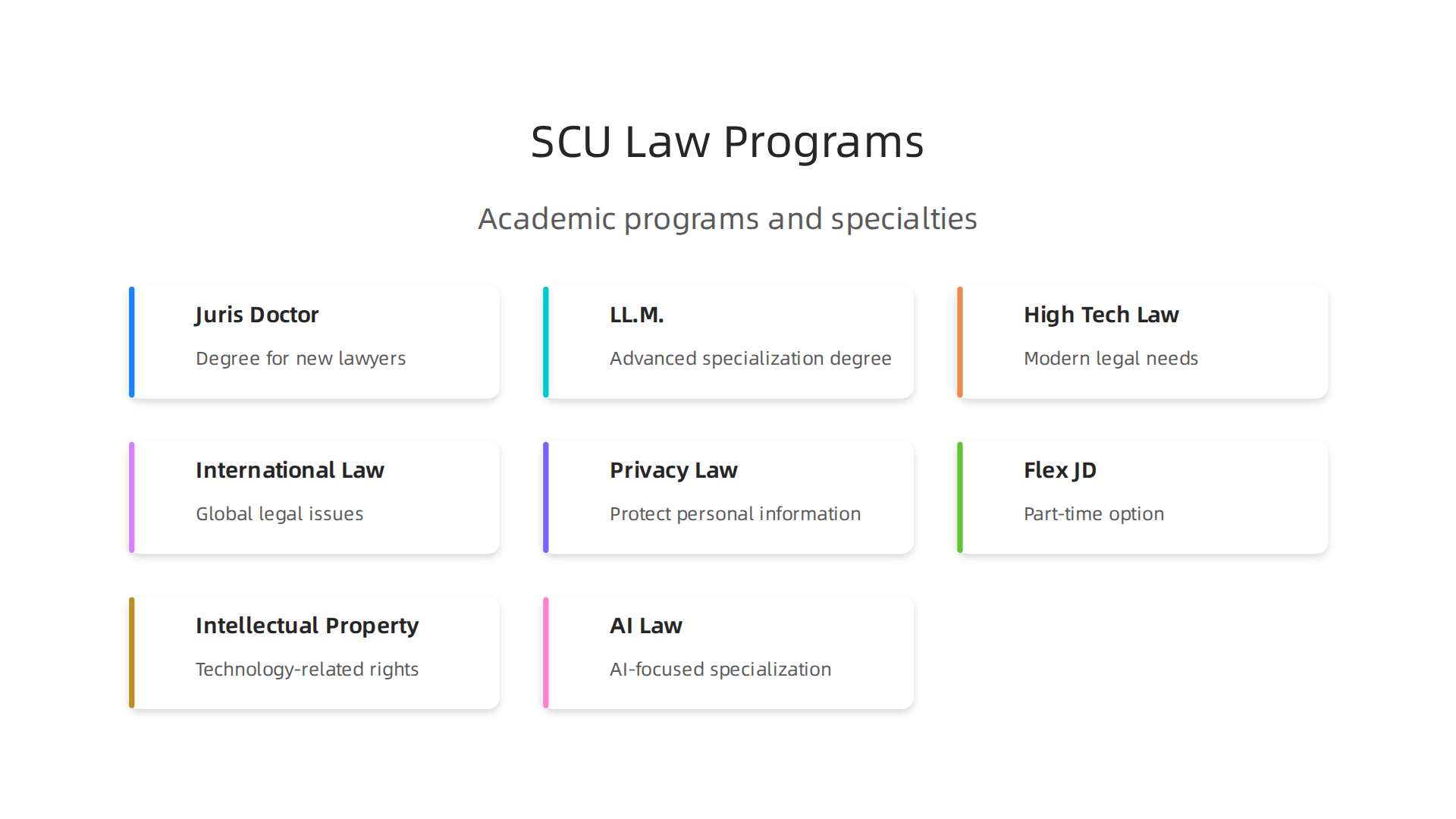
It provides both Juris Doctor (J.D.) degrees for new lawyers and Master of Laws (LL.M.) degrees for those who want to specialize further Academic Programs. Students can also earn special certificates in areas like high technology law, international law, and privacy law, which shows how modern its focus is. The school also has a special program called Flex JD for part-time students, making legal education more open to different people Admissions – Santa Clara Law.
Being in Silicon Valley greatly shapes what SCU Law teaches. The school makes sure its students learn about the newest legal issues tied to technology. This includes important areas like intellectual property, data privacy, and cybersecurity. For example, many of the SCU Law courses offered Spring 2026 prepare students for the real challenges of legal tech. They learn practical law skills that are needed in today’s fast-changing legal world. This strong link to Silicon Valley helps students get ready for careers where technology and law meet.
SCU Law also has special ways to help students learn through real-world experience. These include many types of Experiential Learning at Santa Clara Law. These programs, like clinics and externships, help students use what they learn in their law courses. They get hands-on experience, which is key for finding jobs in legal operations or other areas of law. This focus on practical skills means SCU Law graduates are ready to use tools and approaches that help modern legal teams. Learning about specific legal specialties explained can help students choose the right path to impact the legal field.
Programs and curricula that produce tech-savvy lawyers
SCU Law makes sure its students learn about new technology in law. The school offers a range of law courses and special programs to help them become tech-savvy. For example, the High Tech Law Certificate helps students learn about things like intellectual property and how laws work with new technologies.
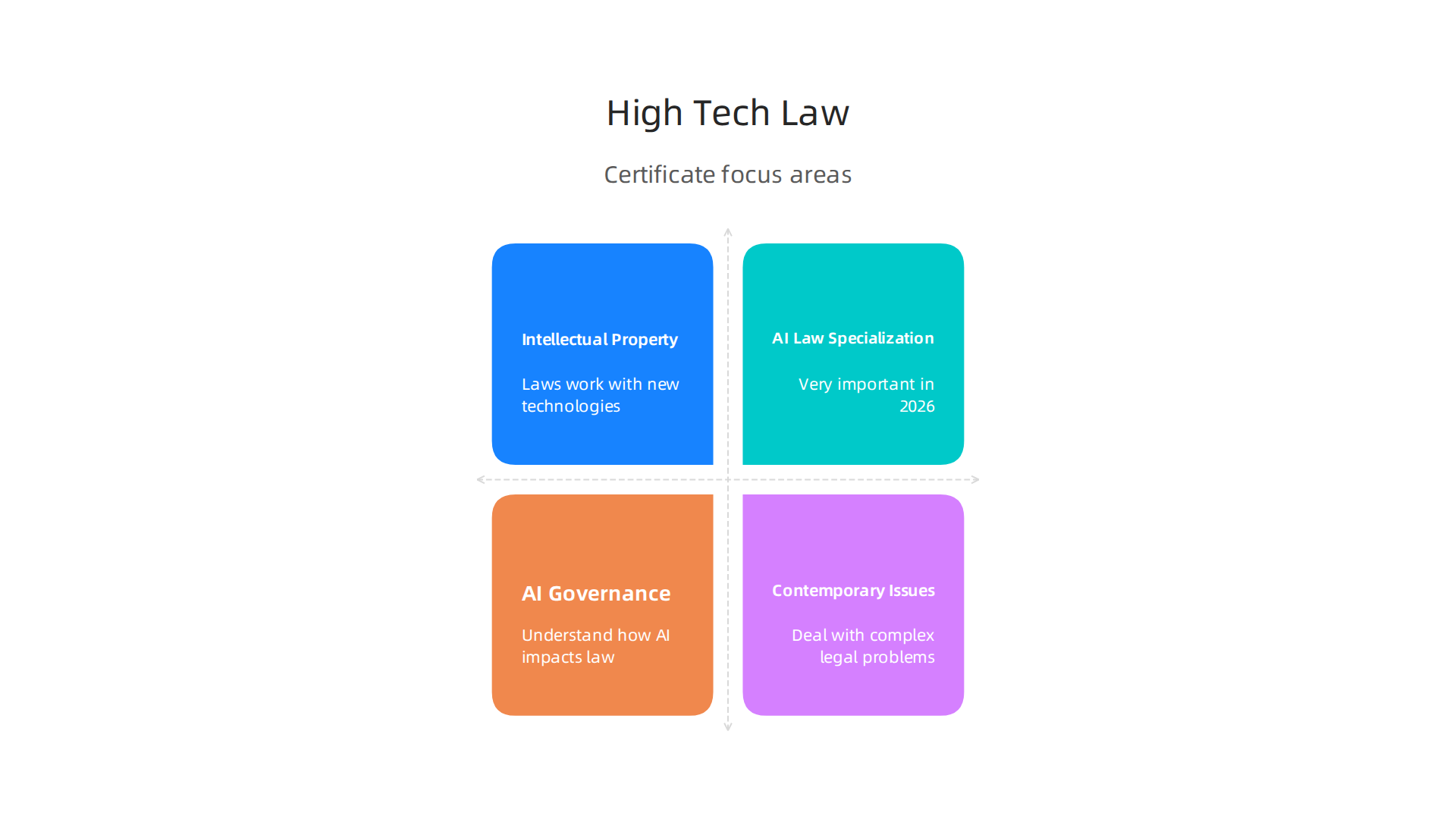
Actually, SCU Law has even added a special program for AI Law Specialization within this certificate, which is very important in 2026. This means students get to study courses like AI Governance and Contemporary Issues with AI High Tech Law Certificate. They also offer a Privacy Law Certificate to focus on keeping personal information safe in our digital world.
Students at SCU Law don’t just read books. They get hands-on experience through clinics and externships. These real-world chances let them use what they learned in their law courses to solve real legal problems. For instance, they might work with tech companies, helping them with legal issues related to new products or data. This kind of practical learning prepares them to choose the best new legal tech for law firms in 2026. They learn how to use digital tools for communication and even how AI can be used in cybersecurity.
This focus on practical skills sends a clear message to hiring managers. When companies look for new legal workers, they want people who understand technology. Graduates from SCU Law come with the skills needed for jobs in legal operations and roles that deal a lot with technology. They are ready to help legal teams use new tools and methods, just like an AI law firm drives growth with interactive legal tools. This makes SCU Law graduates very good at handling the challenges of modern law.
Want to stay informed about how AI is changing the legal world? It’s a must for any tech-savvy lawyer today.
The latest insights into AI and technology can give you an edge. Check out The AI Newsletter Worth Reading for clear daily updates.
Research Centers, Partnerships, and Active Projects with Industry
Beyond just teaching, SCU Law actively works with the legal tech world through its special centers and projects. This helps new legal ideas grow and gives students real-world chances to learn. One key part of this is the Datta Center for High Tech Law. This center leads efforts in exploring how technology and law connect, often sharing its findings with businesses and tech companies. They are a big hub for fresh ideas and research.
Another important program is the Entrepreneurs’ Law Clinic. Here, students get to help new companies in Silicon Valley with their legal needs. This is a great way for them to apply what they learn in their law courses to actual startup challenges. Actually, in 2026, students in this clinic are even taught important AI skills, like how to use AI tools for client work and check AI outputs carefully. This shows how Santa Clara Law Teaches AI Skills in Entrepreneurs Law Clinic.
Legal tech companies can work with SCU Law in many ways. They can set up student projects where future lawyers help with real company issues.

They might also start pilot programs to test out new legal software or tools. Research partnerships are another option, allowing companies to team up with professors and experts at SCU Law to study big questions in legal tech. These collaborations help companies grow and allow SCU Law to produce research that matters. You can even find a lot of their work, like papers and studies, in the Santa Clara Law Digital Commons, which is a great place for legal tech vendors to find new ideas and insights.
When legal tech teams think about working with a school like SCU Law, it’s smart to look at a few things. First, how well does the school’s focus match what your company needs? For example, if you are building AI tools, SCU Law’s work in AI law would be a good fit. Next, think about how mature their programs are and if they have a good track record. Companies should also consider what kind of support they will get and how clearly the project goals are set. Understanding these points can help legal tech leaders decide how to evaluate law firms for strategic growth and potential academic partnerships. For more information about the various offerings, visiting the main School of Law website can be a good first step.
Alumni outcomes and hiring signals for law firms and legal departments
When legal tech companies or law firms think about hiring new talent, knowing where a school’s graduates end up is very important. For scu law, their alumni outcomes can tell a clear story about how well their students are prepared for the real world of legal technology. By looking at placement data, clerkships, and special programs, companies can find good signals for recruiting.
SCU Law shares detailed information about where its recent graduates get jobs. This follows strict rules set by groups like the American Bar Association (ABA). In 2026, many legal leaders care about these numbers. For instance, SCU Law reports a strong employment rate of over 88% for its graduates, based on 2025 data, with a median starting salary around $95,000 for those in the private sector Santa Clara University – School of Law – The Princeton Review. A good number of these graduates, nearly 20%, even join very large law firms, sometimes called "BigLaw" Santa Clara University – Law School Outcomes – Hey Future Lawyer. This shows that scu law students are ready for top legal jobs. For more insights on how these outcomes relate to career success, check out our guide on Law School Outcomes Revealed.
A standout signal for legal tech hiring is SCU Law’s strong focus on technology. The school offers programs like the Tech Edge J.D. certificate.

Students who complete this program have seen amazing success. For example, the 2024 class achieved a 100% employment rate within ten months of finishing their law courses. This means they are getting jobs right away in tech-focused legal roles. This is a huge sign for companies looking for lawyers who understand both law and tech.
SCU Law also has excellent practical learning programs. Their Externship Program allows students to work in real legal settings, like law offices, government groups, or high-tech companies Civil Practice, High Tech, and Social Justice Externship I – Santa Clara Law. These experiences, including placements in high-tech fields, make graduates job-ready right from the start Externship Types – Santa Clara University School of Law. Such hands-on learning helps students gain the skills legal departments need today.
For talent scouting, legal tech firms should connect with SCU Law’s career services team. They can help set up ways to meet students through career fairs or special events. Looking closely at student involvement in externships, fellowships like the Panetta Fellowship, and specialized law courses can help you identify candidates with the right blend of legal smarts and practical experience. This way, you can build good hiring pipelines and find the best legal talent for your team. You can also explore how to identify the best lawyers in 2026 using a proven framework.
Beyond understanding the career paths of graduates, it is essential for legal professionals to stay current with the broader shifts in technology that impact the industry.
Get clear daily AI updates from The AI Newsletter Worth Reading.
How SCU Law prepares students for AI, cybersecurity, and legal innovation
It’s clear that legal professionals need to keep up with new technology. This is especially true for things like Artificial Intelligence (AI) and cybersecurity.

Santa Clara University School of Law, or scu law, really helps its students get ready for these big changes in the legal world. They offer many special programs and law courses to make sure graduates have the right skills.
SCU Law has a strong focus on high-tech law. They offer a High Tech Law Certificate, which now includes an AI Law Specialization. This means students can take many advanced law courses to learn about new tech. For example, courses cover topics like AI Governance and Contemporary Issues with AI. These classes help students understand how AI impacts the law and how to deal with complex legal problems that come up Santa Clara Law expands High Tech Law Certificate with new AI …. The school also offers important courses in Data Privacy Law and Cybersecurity Law, as shown in their course schedules Privacy Law Certificate Courses Spring 2026 – Subject to Change. These courses are often offered regularly to keep up with new trends High Tech Law Curriculum Frequency – Santa Clara University.
Beyond classroom learning, SCU Law provides great hands-on experiences. For instance, in their Entrepreneurs’ Law Clinic, students work with real startup companies in Silicon Valley. Here, students learn important skills like using AI tools the right way for client projects. They also learn how to carefully check what AI tools produce. This clinic helps students get ready for actual legal work in product, compliance, or operations roles Santa Clara Law Teaches AI Skills in Entrepreneurs Law Clinic. This type of practical work is key for graduates to have skills they can use right away.
When looking to hire new legal talent for product, compliance, or operations roles in 2026, firms should look for candidates from programs like SCU Law’s. These graduates often have a strong mix of legal knowledge and hands-on tech skills. Look for students who have taken specialized law courses in AI and cybersecurity, and who have experience from clinics or externships where they applied these skills. Their ability to use AI ethically and critically, along with understanding privacy and cyber laws, makes them very valuable. This also shows they are ready to help an AI law firm drive growth and choose the best new legal tech for law firms today.
Partnering with SCU Law: pilots, clinics, and co-development models
Companies looking for legal talent that understands new technology can do more than just hire graduates from Santa Clara University School of Law. They can also work directly with SCU Law through special programs. This helps both the students get real-world practice and the companies get help with legal tech projects.
There are many ways to partner. One popular way is through sponsored clinics. SCU Law has several clinics where students work on actual legal issues for clients under the guidance of professors. For example, the Entrepreneurs’ Law Clinic helps startups, giving students hands-on experience Entrepreneurs’ Law Clinic – Santa Clara University. Other clinics, like the Bates Mediation Clinic, also provide practical learning opportunities for students and services to the community A Quiet Revolution in Legal Education: Santa Clara Law’s Bates …. Companies can sponsor these clinics or offer projects that students can work on.
Another way is through student externships. These are like internships where students gain experience working outside the school in law offices, government groups, or tech companies Externships. Firms and in-house legal teams can host these externs, giving them a chance to apply what they learned in their law courses to real legal work, especially in areas like AI and cybersecurity. These externship types include work in civil practice, high tech, and social justice areas Externship Types – Santa Clara University School of Law.
For companies interested in trying out new legal tech tools or ideas, research pilots with SCU Law students or faculty can be very helpful. When setting up a pilot, it’s important to have clear goals. Companies should define what they want to achieve and how they will measure success. Also, they must set clear rules to make sure all data is safe and all legal and ethical guidelines are followed. This includes making sure AI tools are used responsibly and that client information stays private.
To create lasting partnerships with universities like SCU Law, legal tech vendors and in-house teams should:

- Reach out early: Connect with the law school’s innovation centers or clinic directors.
- Be clear about needs: Explain what kind of legal tech challenges your company faces.
- Offer strong support: Provide mentors, resources, and feedback to the students and faculty.
- Plan for the long term: Think about how the partnership can grow and help both sides for many years.
These partnerships help students prepare for the future of law and offer companies a way to explore new legal solutions with fresh, skilled minds. Staying on top of AI and technology trends is important for anyone in the legal field.
Get clear daily AI updates from The Deep View Newsletter.
The AI Newsletter Worth Reading
Risks, accreditation, and compliance to consider when engaging with law schools
While partnering with law schools like SCU Law offers many benefits, it’s also important to understand the rules and risks involved. Just like any professional relationship, these partnerships need careful planning to make sure everything runs smoothly and ethically.
One big area to think about is academic and accreditation rules. Law schools have guidelines from groups like the American Bar Association (ABA) that set standards for legal education. These standards make sure students get a good education and are ready for the bar exam, which is a big test to become a lawyer. The ABA oversees the accreditation of law schools, ensuring they meet these important educational goals Law School Accreditation – American Bar Association. This means that any projects students work on must fit into their assigned law courses and count toward their degree without breaking these rules. It also affects what kinds of deliverables students can provide and how much time they can spend on outside projects. Understanding these rules is key to planning successful student engagement. This also ties into the bigger picture of Legal Education Trends 2026: Prepare for the Future of Law with Tech Skills.
Next, data privacy, who owns the work (IP ownership), and ethical considerations are very important in student-led projects. When students work with companies, they might handle sensitive information. It’s crucial to protect this data. Many law schools have their own privacy policies for how they handle information, like IP addresses or other data collected during research Privacy Policy | University of Chicago Law School. Companies also need to think about who owns the new ideas or tools developed by students. Clear agreements must be in place before any work begins. This helps avoid problems later. Also, all projects must follow ethical guidelines for research and practice, making sure everyone is treated fairly and client information is kept private. The British Educational Research Association, for example, has ethical guidelines for educational research, including responsibilities to participants and sponsors Ethical Guidelines for Educational Research, fifth edition (2024).
Legal tech teams can build strong, compliant agreements to protect their product ideas and support student learning. These agreements should clearly state:
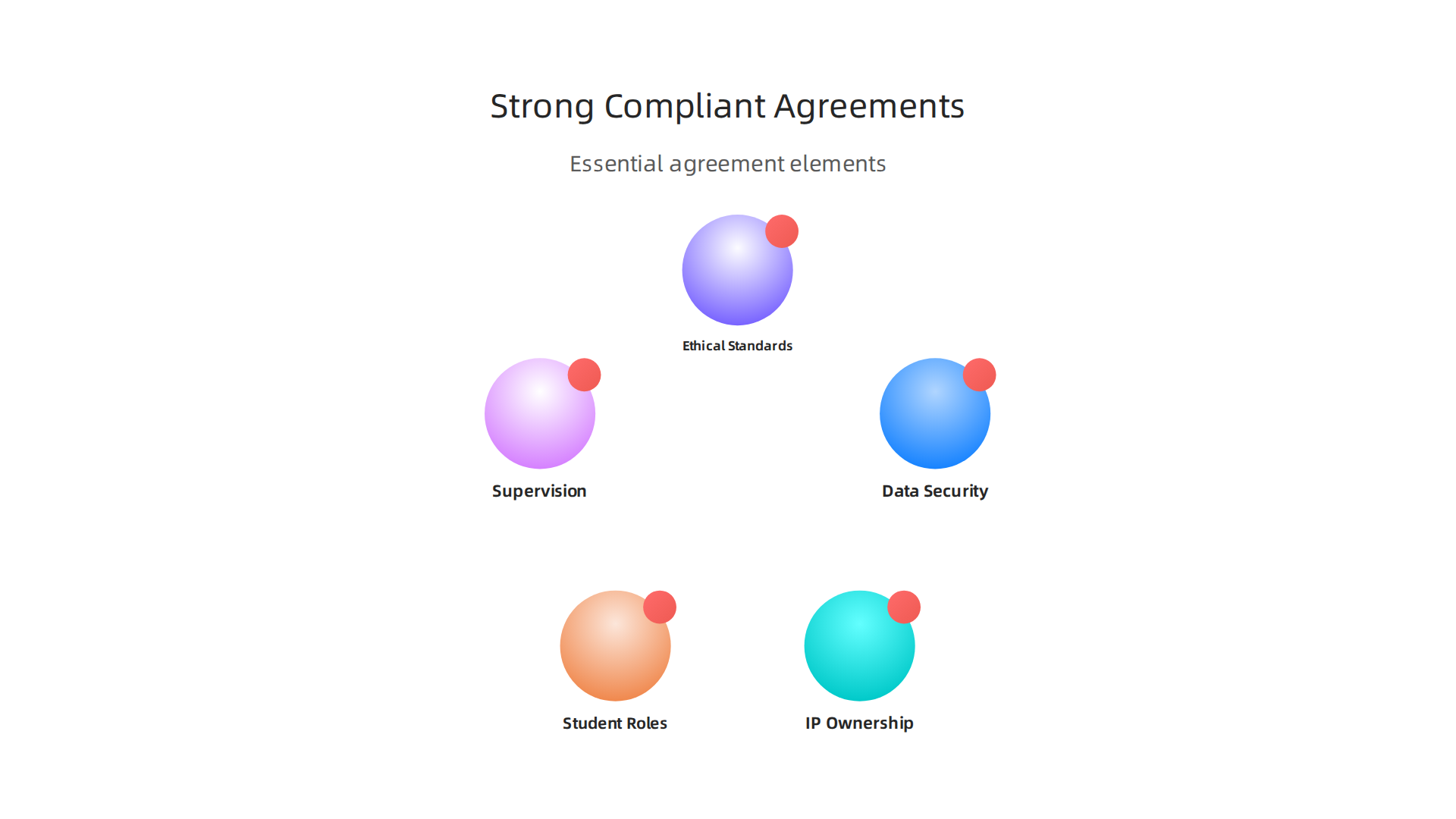
- Data security measures: How will confidential information be protected?
- IP ownership: Who owns the rights to any new software or ideas created during the project?
- Student roles: What are the students allowed and not allowed to do?
- Supervision: How will students be guided by both the company and the law school faculty?
- Ethical standards: What ethical rules must be followed?
By addressing these points clearly from the start, companies can work safely with law schools. This ensures that legal tech innovation continues while protecting everyone involved. It also makes sure students gain valuable, Mastering Practical Law for Modern Legal Teams experience without any legal hiccups.
Summary
Santa Clara University School of Law (SCU Law) sits at the center of Silicon Valley and focuses heavily on technology‑driven legal education, offering J.D. and LL.M. degrees plus certificates in high tech, privacy, and a new AI Law specialization. The article explains SCU Law’s hands‑on approach—clinics, externships, and research centers like the Datta Center—that prepares graduates for roles in legal operations, product, compliance, and AI governance. It highlights alumni outcomes and hiring signals (strong employment rates and Tech Edge results) and describes how companies can partner via pilots, sponsored clinics, and externships. Practical advice covers what to evaluate in partnerships, how to protect data and IP, and how to build recruiting pipelines from SCU Law. Readers will learn where to find tech‑focused candidates, how to structure collaborative projects, and which compliance and accreditation issues to address before engaging the school.