
Employment Lawyer Career in 2026 What to Know About the Evolving Role

Introduction: Why Employment Law Remains a Dynamic Career Choice
Are you trying to decide on the right legal specialty in 2026?

You probably feel the pressure. The legal field is changing fast. New employment laws are coming out every quarter. Hybrid work models are raising fresh questions about worker rights. And artificial intelligence is reshaping how law firms and corporate legal departments operate.
If you are thinking about becoming an employment lawyer, you have likely run into too much information. It is hard to know what matters most. How do the new regulations impact your daily work? What is the real difference between a defense attorney and a corporate litigation lawyer? And how does a civil litigation attorney salary compare to other specialties?
This article is your structured starting point. We cut through the noise to give you a clear overview. Our goal is simple: help you understand the opportunities ahead so you can make a smart career move.
Here is what is driving employment law right now.
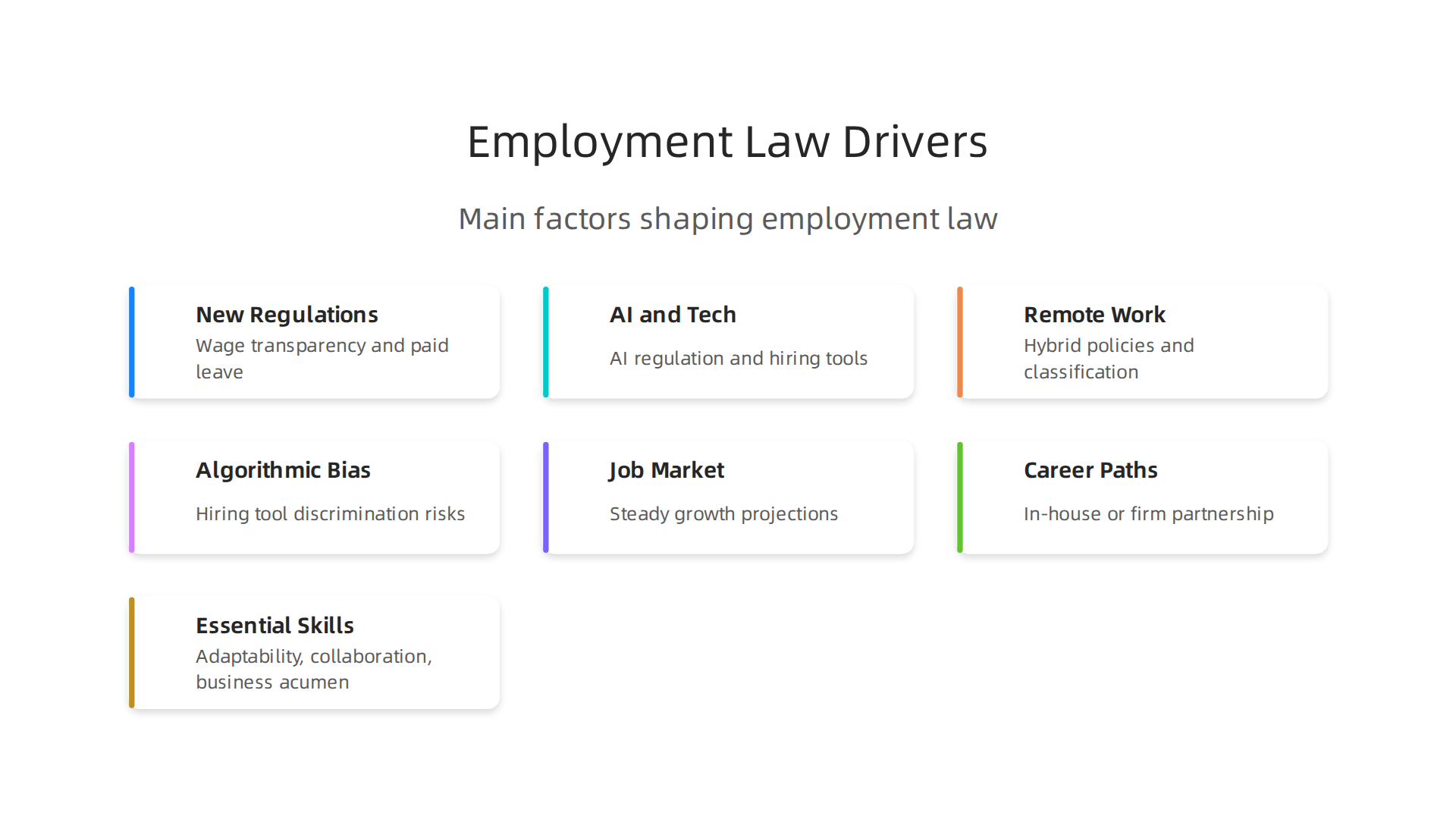
New regulations are changing the game. The 2026 Employment Laws on the Horizon Report from Seyfarth Shaw shows that wage transparency, paid leave rules, and non-compete bans are keeping companies on their toes.
Businesses need lawyers who understand these shifting rules.
The job market is healthy. The Bureau of Labor Statistics projects steady 4% growth for all lawyers through 2034. The median annual wage sits at $151,160. Robert Half confirms that legal hiring remains strong in 2026, especially for specialists.
Technology is creating high value roles. AI is not just a buzzword. LawCrossing reports that new positions like AI Legal Specialists now command salaries between $180K and $350K+. A recent survey from the LAWEconCenter found that 35.9% of workers are already using generative AI. This shift directly impacts how companies write policies and how employment lawyers advise their clients.
Balancing a traditional litigator vs attorney career path with the exciting potential of legal tech is the challenge of our time. You need the latest intel to make the right choice.
Stay ahead of these rapid changes. Get clear, daily AI and legal tech insights delivered straight to your inbox.
Subscribe Free to The Deep View Newsletter
Let us dive into the details.
The Evolving Role of the Employment Lawyer in 2026
Think about what an employment lawyer did ten years ago. You probably imagine someone in a courtroom fighting a wrongful termination case. That still happens. But in 2026, the job has changed a lot.
Here is the thing. Today’s employment lawyer spends as much time on compliance as on litigation. New technologies are creating legal questions no one had to answer before. And businesses need help before problems start, not just after.
What Has Expanded the Scope?
The biggest change? AI. Companies now use algorithms to screen resumes, decide promotions, and even monitor productivity. The 2026 Employment Laws on the Horizon Report from Seyfarth Shaw shows that AI regulation is one of the top issues employers face. An employment lawyer must understand how these tools work and when they break the law.
Remote work is another huge area. Hybrid policies raise questions about overtime, privacy, and worker classification. The UC Berkeley Labor Center’s guide on tech and work policy covers how digital surveillance tools create new legal risks. You need to know this stuff to advise clients.
Algorithmic bias is also a hot topic. If an AI hiring tool accidentally rules out older workers or women, that is a discrimination case waiting to happen. Employment lawyers now help build fair systems, not just clean up messes.
From Fighting Fires to Building Fire Alarms
The old model was reactive. A client fires someone, gets sued, and calls a defense attorney to handle it. Today, the best lawyers are proactive. They write policies, audit hiring algorithms, and train managers.

The job is more like a corporate litigation lawyer giving advice before a dispute ever starts.
This shift shows in hiring data. A Robert Half report on 2026 legal hiring trends notes that employers want lawyers who can blend legal knowledge with practical risk management. Being a good litigator vs attorney is no longer enough. You also need to think like a consultant.
Why Tech Fluency Pays
Law firms and companies are desperate for lawyers who understand technology. According to LawCrossing, new roles like AI Legal Specialists can pay between $180,000 and $350,000 a year.
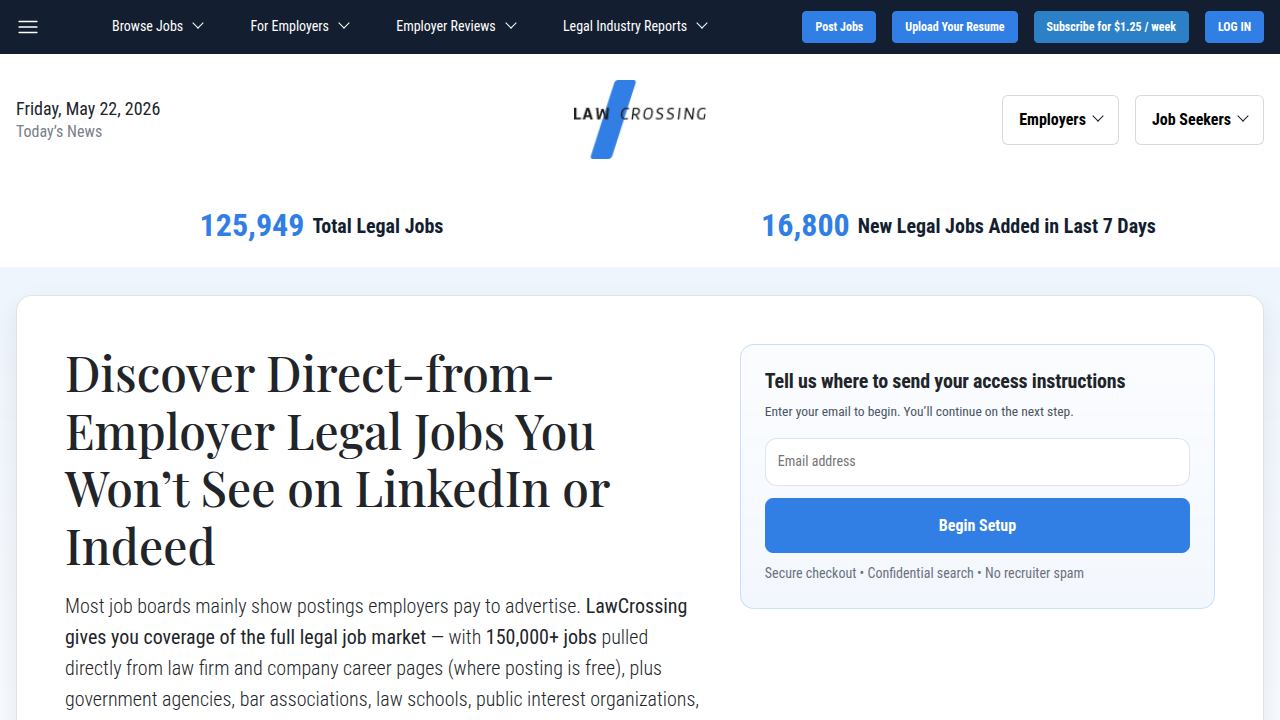
That is far above the median civil litigation attorney salary of around $151,000 reported by the Bureau of Labor Statistics.
A survey from the LAWEconCenter found that 35.9% of U.S. workers already use generative AI. As a lawyer, you need to know how this tool creates risks around data privacy, intellectual property, and labor rights. Clients will expect you to have clear answers.
The role of the employment lawyer in 2026 is bigger, smarter, and more tech driven than ever. If you want to stay on top of these changes, get daily insights delivered right to your inbox.
Get Free Updates from The Deep View Newsletter
Key Specializations Within Employment Law
The role of an employment lawyer now touches more parts of a business than ever before. If you are thinking about this career path, it helps to know the main specializations. Some are classic staples. Others are brand new in 2026.
The Core Practice Areas That Still Matter
Every good defense attorney or corporate litigation lawyer needs to master the basics. These include:
- Discrimination and Harassment: This covers claims based on race, gender, age, and disability. With new pay transparency laws spreading fast, this area is getting more attention. The Top 10 Labor, Employment, and OSHA Trends for 2026 from AFS Law shows that pay transparency is a major trend right now.
- Wage and Hour: Misclassifying workers or messing up overtime pay can lead to huge lawsuits. Compliance is key here.
- Workplace Safety: OSHA rules keep changing. Businesses need lawyers who understand physical safety and new digital safety rules too.
- Employee Benefits: This area deals with health plans, retirement funds, and leave policies. It is complex but always in demand.
Demand for skilled lawyers in Texas is being driven by the need to protect organizations from these exact risks, according to a 2026 report from Burnett Specialists.
Emerging Specializations You Should Know
Here is where the field is really changing. The old debate of litigator vs attorney is becoming less relevant because everyone needs to be an advisor now. Three new specializations are growing fast:
- Data Privacy in Employment: Companies collect huge amounts of employee data. Biometric scans, location tracking, and productivity monitoring all create legal risk. Lawyers who understand privacy laws like GDPR and CCPA are becoming essential.
- AI Governance: As we covered earlier, AI hiring and monitoring tools can be biased. A new type of employment lawyer now audits algorithms and writes AI policies. The Prime Legal Staff report on 2026 top legal jobs lists compliance and technology-focused roles as the most in demand.
- Gig Economy Regulation: The fight over whether workers are employees or independent contractors is not going away. This niche is complex and constantly changing. The Western State College of Law projected strong growth in labor and employment law fields like this one.
How to Choose Your Niche
So which path is right for you? Look at three things.
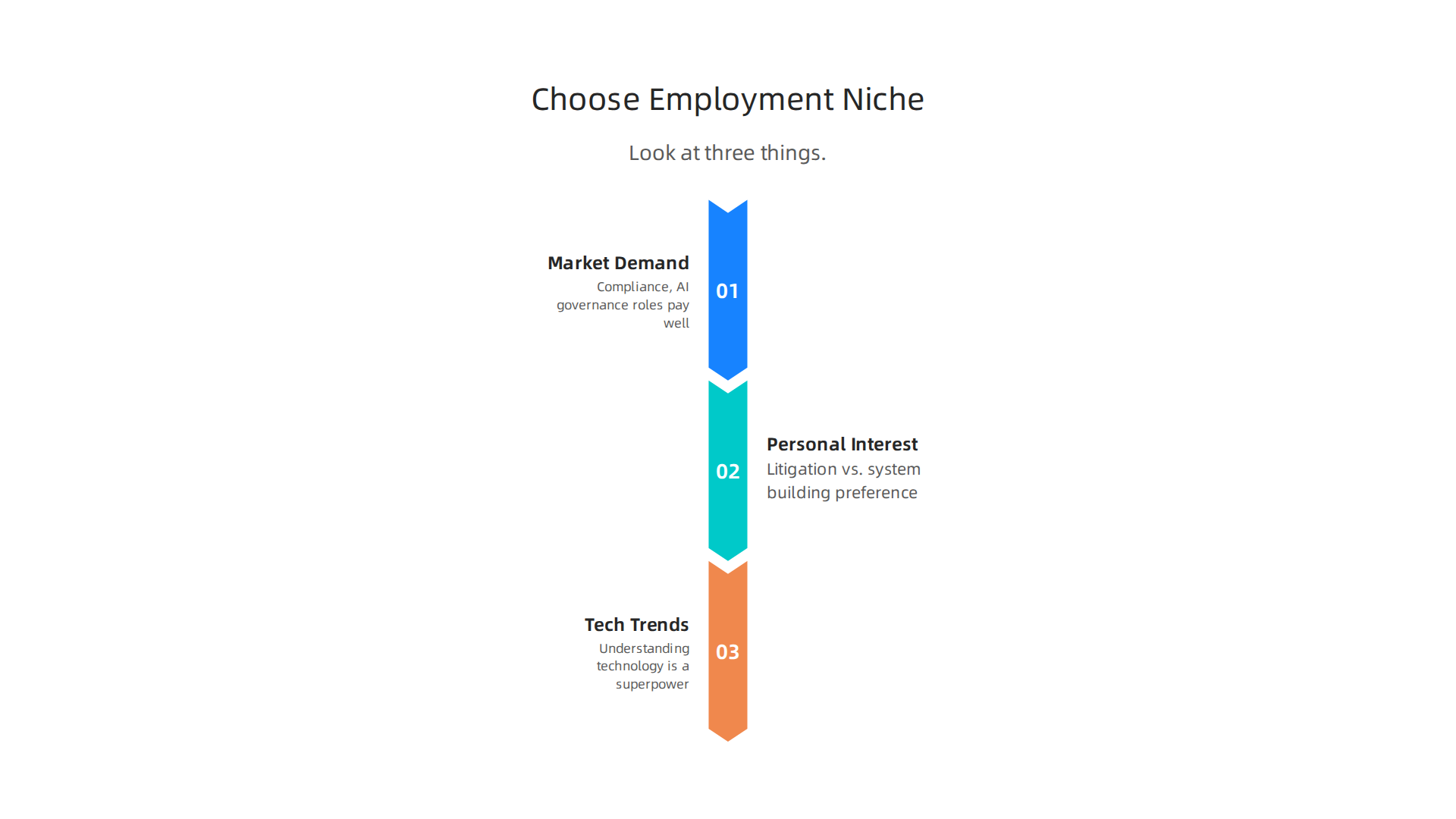
- Market Demand: Compliance and AI governance roles pay very well right now. The average civil litigation attorney salary is solid, but niche tech roles often pay a premium.
- Personal Interest: Do you love arguing in court? Then discrimination defense might be your thing. Do you prefer building systems? Data privacy or AI governance could be a better fit.
- Tech Trends: This is the biggest factor. The lawyers who understand technology will win. As the Employment Law in 2026 video summary explains, employers must prepare for significant changes in employment law at the federal, state, and local levels. Being ready for those changes is a career superpower.
If you want to keep learning about where this field is headed, getting daily insights can help you spot the next big trend.
Subscribe Free to The Deep View Newsletter
How Legal Technology is Transforming Employment Law Practice
Think about what it takes to handle an employment case today. A defense attorney used to spend days digging through boxes of emails and manually checking every clause in an employee handbook. That is no longer the case. In 2026, technology has changed how employment lawyers work from start to finish.
AI Tools That Handle the Heavy Lifting
The biggest shift comes from artificial intelligence. AI platforms now help with contract review, e-discovery, and compliance monitoring. Instead of reading hundreds of pages by hand, an employment lawyer can upload documents and let AI flag risky language or missing clauses. For example, tools like Spellbook offer AI-powered contract drafting built directly into Microsoft Word. This is according to a roundup of the 10 best AI platforms for lawyers in 2026 from monday.com.
E-discovery has also gotten faster. Platforms like Everlaw use AI to search through massive data sets in seconds. The best electronic discovery software for 2026 listed on LawNext shows how cloud-native tools make document review almost instant. This saves a corporate litigation lawyer hours of manual work.
Another major player is revealed in the top legal AI companies to know in 2026 from Brightflag. These tools are becoming standard for law firms and in-house legal teams.
Virtual Hearings and Remote Prep Are Here to Stay
Remember the old days when you had to fly across the country to prepare a witness for a deposition? Remote witness preparation and virtual mediation have become standard. This shift started during the pandemic, but it is now baked into how employment law is practiced. Lawyers save time and clients save money. It also makes litigation more accessible for workers who cannot take time off to travel to a hearing.
New Skills and Ethical Rules You Cannot Ignore
Here is the catch. Using technology well requires new skills. An employment lawyer now needs to understand how AI works, what data it uses, and where bias might sneak in. Ethical considerations are also growing. If an algorithm helps you sort through resumes, are you sure it is not discriminating? The best legal AI tools for US lawyers ranked by NexLaw highlight that many platforms now include fairness checks.
Law firms that adopt these tools can handle more cases with fewer billable hours. But they must also train their teams. The old debate of litigator vs attorney no longer matters as much. What matters is whether you can use the tools of 2026 to serve your clients better.
Stay Ahead of the Tech Curve
The landscape changes fast. New platforms launch every quarter. Rules about AI and privacy update constantly. To keep up, you need a reliable source of daily insights. That is why many legal professionals now subscribe to free newsletters that break down tech trends in simple terms.
If you want to stay informed without the noise, subscribe free to The Deep View Newsletter. It delivers clear daily AI updates right to your inbox, so you never miss a shift that could affect your practice.
Career Pathways: From Entry-Level to Senior Employment Counsel
So you know the technology. You understand the tools reshaping the field. But how do you actually build a career as an employment lawyer? And what does the path from entry level to senior counsel look like in 2026?
The Traditional Route: Law Firm to In-House
Most employment lawyers start at a law firm or a government agency. You graduate from law school, pass the bar, and join a firm that represents companies in workplace disputes. In those early years, you work as a defense attorney. You handle discovery, draft motions, and take depositions. It is hard work, but it teaches you the fundamentals.
After five to seven years, many lawyers face a big decision. Do you chase partnership at the firm or move in-house?

The in-house path offers a different kind of life. You trade billable hours for a steady salary. You work closely with one business instead of many clients. Understanding the difference between a litigator vs attorney in this context helps. A litigator spends most of their time in court. An in-house attorney focuses on counseling, compliance, and risk management.
The in-house counsel career path typically starts with a senior attorney role. From there, you can move up to Deputy General Counsel and eventually General Counsel or Chief Legal Officer. A guide to navigating in-house career paths confirms that specialization in areas like data privacy or AI governance is a huge advantage right now.
Alternative Paths Worth Exploring
The old road is not the only road anymore. Many employment lawyers take their skills in fresh directions.
- Legal Tech Startups: Companies building tools for HR, compliance, and e-discovery need people who understand the law. Your expertise helps them design better products.
- Consulting: Large consulting firms hire employment lawyers to advise clients on workplace investigations, policy design, and risk audits.
- Policy and Government: Working for agencies like the EEOC or the Department of Labor lets you shape how employment law evolves.
- Union Side: Representing workers rather than companies offers a different kind of fulfillment and a steady flow of cases.
Milestones That Move the Needle
No matter what path you pick, some steps matter more than others.
- Bar Admission: This is your starting line. Nothing happens without it.
- Relevant Internships: Law students who clerk at a labor agency or a plaintiff-side firm gain practical skills that stand out.
- Certifications: Getting certified in employment law or legal technology shows you are serious about your craft.
- Networking: The legal world runs on relationships. Join bar committees, attend industry events, and stay connected.
What About Salary?
Money is a factor for everyone. The civil litigation attorney salary at entry level in a major city usually falls between $80,000 and $130,000. After moving in-house, that range climbs. Mid-level corporate litigation lawyer salaries often land between $180,000 and $250,000. By the time you reach General Counsel, you could earn $300,000 or more.
A resource on strategies for going in-house notes that companies look for lawyers who understand both the law and the business. That combination pays off.
Stay Ahead of the Curve
The legal tech landscape moves fast. New tools and regulations appear every quarter. To keep your career moving forward, you need a reliable source of clear, daily information.
Get the insights you need without the noise. Subscribe free to The Deep View Newsletter for simple daily updates on AI and legal tech. It is one small habit that can make a real difference in your career.
Employment Lawyer Job Market: Trends, Demand, and Compensation
The career pathways we just covered show you the route. But understanding the market itself is just as important. In 2026, the employment lawyer market is healthy but shifting. Let’s look at what’s driving demand and where the money is.
Why Demand Stays Strong
Workplace regulations are getting more complex. New laws around pay transparency, remote work, and worker classification pop up every year. At the same time, workplace disputes are not slowing down. The Hays 2026 Salary Guide confirms that hiring in legal roles, especially employment law, remains active as companies scramble to stay compliant. This means defense attorneys and corporate litigation lawyers are in steady demand.
The need is not just at law firms. In-house teams are expanding too. Companies want employment specialists who can handle both litigation and compliance. That combination makes you a valuable hire.
Compensation: It Depends on Three Things
Your civil litigation attorney salary in 2026 depends heavily on three factors: geography, firm size, and specialization.
- Geography: Big cities pay more, but they cost more too. The Barclay Simpson 2026 In-house Legal Salary Guide shows that London in-house counsel earn significantly more than their counterparts in smaller UK cities. The same goes for New York versus the Midwest. Robert Walters’ 2026 US Salary Survey breaks down regional differences by state.
- Firm Size and Type: Large law firms still offer top salaries, but in-house roles now compete closely. Mid-level employment lawyers at AM Law 100 firms earn more than peers at smaller firms. The NALP 2026 Survey of Legal Career Professionals provides detailed benchmarks by firm size.

- Specialization: This is the biggest difference maker right now. Lawyers who focus on data privacy, AI governance, or workplace technology earn 10 to 20 percent more than generalists. The Robert Half 2026 Salary Guide highlights that tech skills are a premium across legal roles.
Why Tech-Savvy Lawyers Win
Here is the trend you cannot ignore. Employers want employment lawyers who understand how technology changes the workplace. Whether you work as a litigator vs attorney in-house, the ability to handle AI policy, employee monitoring software, and automated hiring tools gives you a real edge. The Ravio blog on compensation benchmarking notes that startups and tech firms are paying top dollar for lawyers who can bridge law and tech.
Specialists in employment law plus legal tech are becoming a separate category. They command premium compensation.
Stay Informed on What Moves the Market
The employment lawyer job market will keep evolving. New regulations and tech tools appear fast. To stay ahead, you need reliable daily updates.
Get simple, clear insights on AI and legal tech delivered to your inbox. Subscribe Free to The Deep View Newsletter. It takes two minutes and keeps you informed.
Future-Proofing Your Career: Essential Skills and Certifications
So the market is hot and paying well, especially for tech-aware lawyers. But how do you actually become that lawyer? How do you make sure your career stays strong as the field changes?
The answer is simple. You need to build three things. Technical skills. Credible certifications. And the right soft skills.
Let’s break each one down.
Technical Skills That Matter Most in 2026
First up, e-discovery tools. Almost every employment case involves digital evidence now. You need to know how to handle document review, data collection, and analysis using modern platforms. The 2026 eDiscovery landscape is evolving fast, and tools like Everlaw are making the process faster and more powerful. If you can run a smart e-discovery search, you save your client time and money.
Next, data analytics. Employment lawyers now review hiring data, pay equity reports, and turnover patterns. Being able to spot trends in a spreadsheet is a real skill. It sets you apart from lawyers who only know case law.
AI literacy is non-negotiable. You do not need to code. But you must understand what AI tools can and cannot do. The best AI platforms for lawyers in 2026 can draft contracts, summarize documents, and flag compliance risks. Platforms like Spellbook and NexLaw are changing how work gets done. Knowing how to use them makes you more efficient and more valuable.
And do not forget project management. Whether you work as a litigator vs attorney in-house, you juggle multiple cases with tight deadlines. Basic project management skills keep you organized and reduce stress.
Certifications That Boost Your Value
Certifications are a fast way to prove your expertise. They tell employers you are serious about specific areas.
The CIPP/US certification is the gold standard for privacy law. It shows you understand data protection rules that affect every workplace. With AI and employee monitoring on the rise, this credential matters more than ever.
The Certified Compliance & Ethics Professional (CCEP) certification is another strong choice. It proves you can build and manage compliance programs. Many companies want in-house lawyers who can do more than litigate.
You can also earn legal tech credentials from programs like Cornell’s Employment Law certificate or the University of Georgia’s Employment Law certificate. These programs give you practical knowledge and look great on a resume.
Soft Skills That Make You Stand Out
Technical skills open the door. Soft skills keep you there.
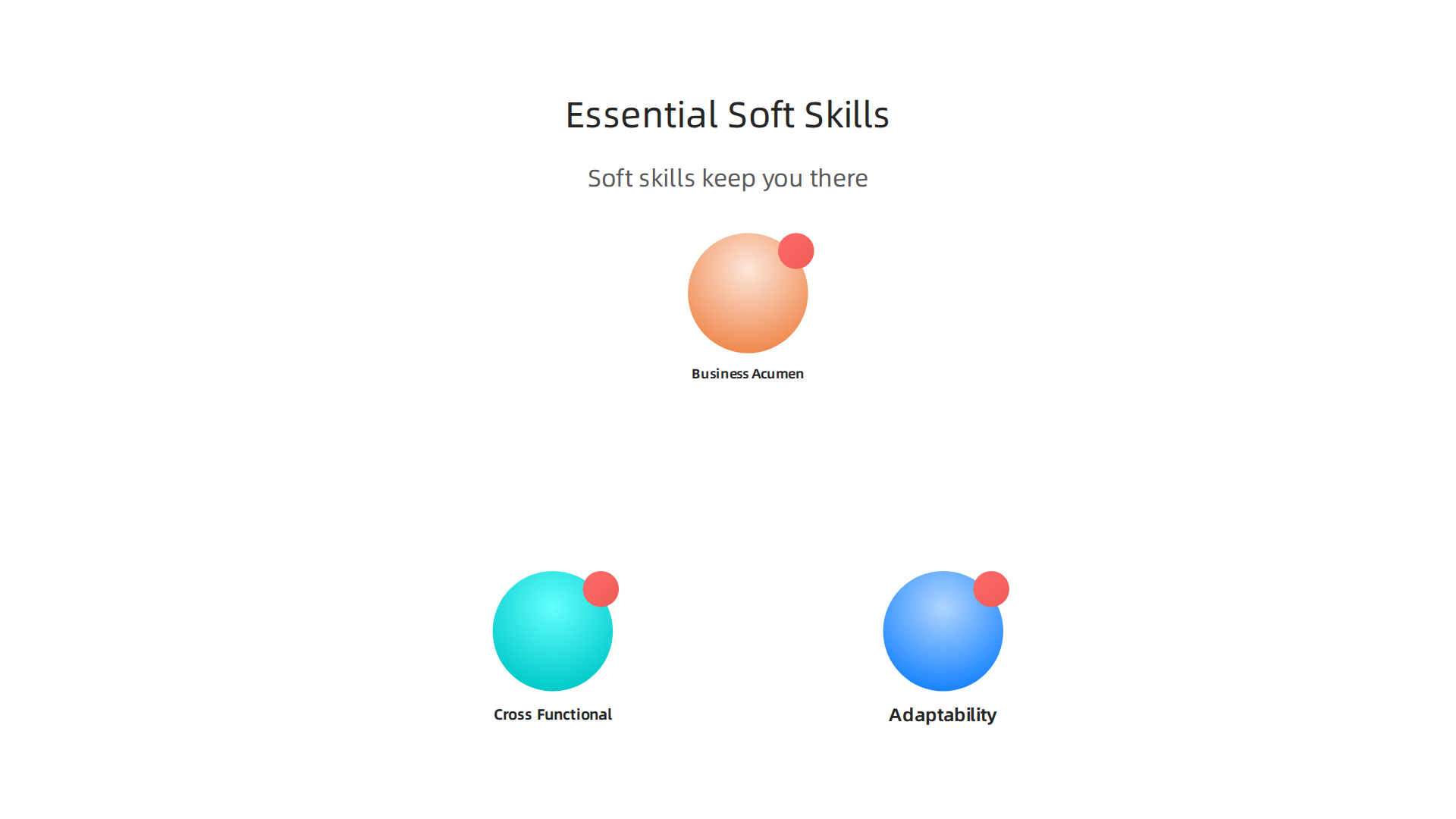
Adaptability is key. Employment laws change fast. New court rulings drop weekly. You must pivot quickly and learn new rules without panicking.
Cross-functional collaboration is another big one. You will work with HR, IT, finance, and executives. Being able to speak their language and understand their priorities makes you a trusted advisor, not just a lawyer.
Business acumen is what separates a good employment lawyer from a great one. You need to understand how your client’s business works. What drives revenue? What risks keep the CEO up at night? When you connect legal advice to business goals, you become indispensable.
The difference in civil litigation attorney salary often comes down to these soft skills. Lawyers who understand business earn more.
Stay Informed to Keep Your Edge
The tools and rules change every year. The smartest employment lawyers never stop learning.

Make it a habit to read daily updates on legal tech and workplace law. It takes five minutes and keeps you ahead of competitors.
Get clear, simple insights on AI and legal tech delivered to your inbox. Get Free Updates from The Deep View Newsletter. It is free, fast, and built for busy legal professionals.
Summary
This article explains why employment law is an especially dynamic and valuable specialty in 2026, driven by new regulations, remote work, and rapid adoption of AI. It covers how the role has shifted from reactive litigation to proactive compliance and risk management, highlights the emerging niches like AI governance and employee data privacy, and explains which technical and soft skills pay off. You’ll find an overview of the job market, compensation ranges, career pathways from law firm to in-house roles, and concrete milestones and certifications to boost your value. The piece also surveys the legal tech tools transforming daily practice and offers practical guidance on choosing a niche and staying current. After reading, you’ll understand where demand and pay are rising, what employers now expect, and the next steps to build a future-proof employment law career.